Stop Waiting on Your Oven to Warm Up
If you’ve spent any time with a standard convection oven, you know the frustration. You’re ready to go, but you’re stuck waiting for the air to heat up. Air is just… slow. It’s a terrible conductor. When you’re trying to keep a production line moving, that preheating lag feels like an eternity. We deal with this by adding infrared (IR) auxiliary heaters into the mix.
How IR actually helps
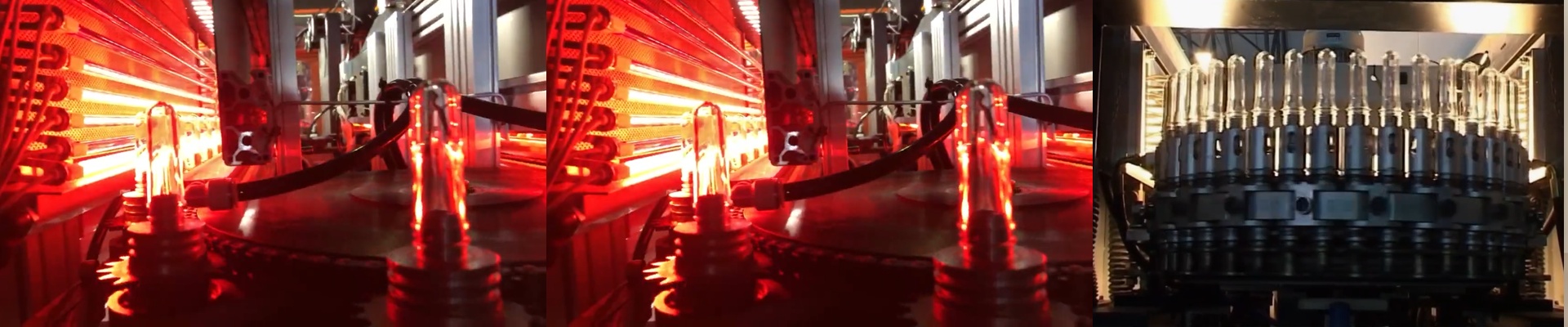
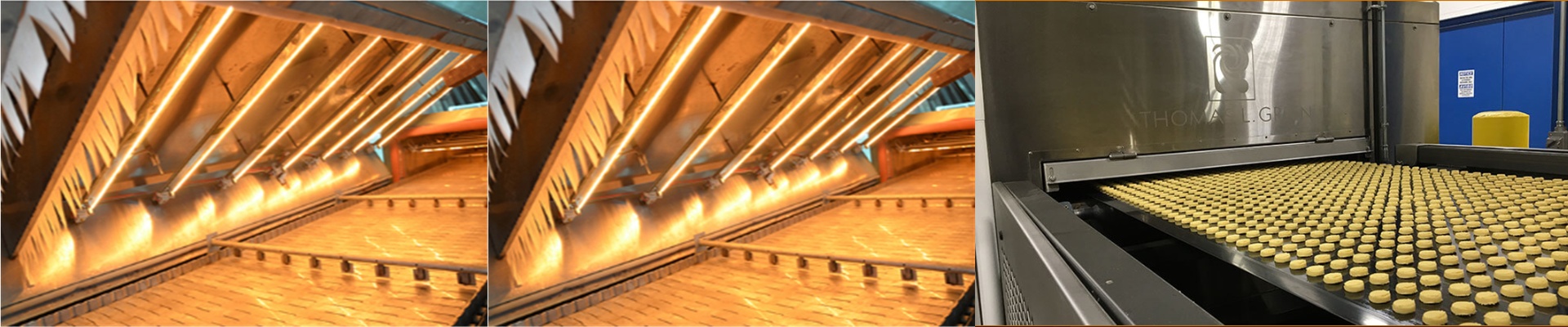
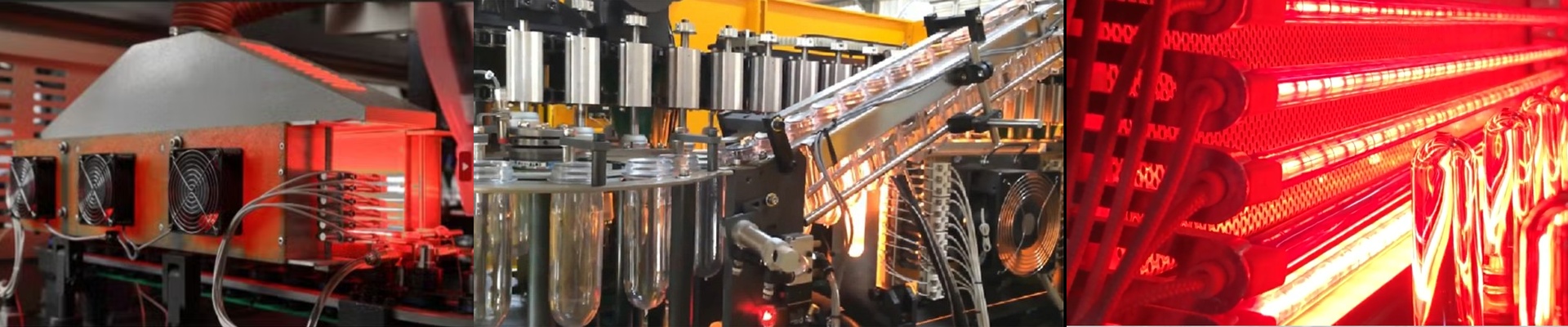
Here is the thing: convection relies on moving air, but IR works differently. It uses electromagnetic waves that hit your product directly. It doesn’t bother warming up the air first; it just goes straight to the surface. By wiring IR lamps into the preheating circuit, you get a dual-mode setup. The lamps flash-heat the outside of whatever you’re cooking, while the fans keep the core temperature steady. It’s fast. Really fast. And it completely changes the rhythm of your workflow.
The nitty-gritty on heat and power
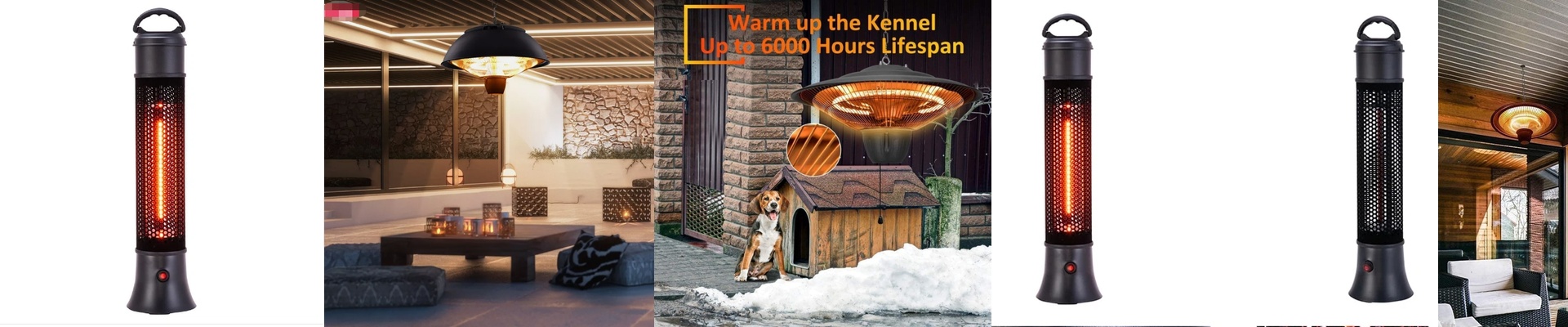
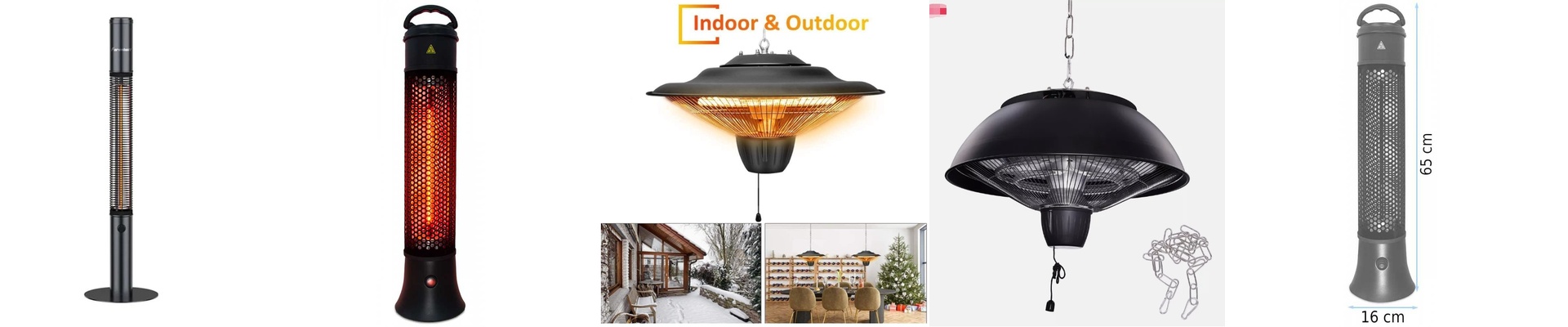
When we’re picking out these heaters, it all comes down to wattage density. A high-wattage quartz tube puts out a concentrated blast of heat that makes the surface temperature spike almost instantly. One tip: make sure your lamp length matches your rack dimensions. If they don’t line up, you’ll end up with cold spots, and nobody wants that. We usually stick with shortwave IR for baking. It digs deeper into the dough or the coating. But be careful—this much heat is powerful. You’ve got to keep a close eye on your PID controllers. If you just crank the lamps without modulating them, you’ll end up with a burnt crust and a raw center.
Setting it up (and what to watch out for)
The good news is these lamps are basically drop-in replacements for your standard elements. We use reinforced quartz glass because regular glass just can’t handle the stress of heating up and cooling down over and over. But there are a couple of catches. First, adding IR lamps pulls more power. Check your control panel to make sure your contactors can handle the extra amperage before you flip the switch. Also, remember that these tubes are fragile. If your oven vibrates a lot while it’s running, don’t skip the mounting brackets. A little bit of shaking is all it takes to crack a tube, and that’s a headache you don’t need.