Getting Your Sidel Matrix Heaters Right
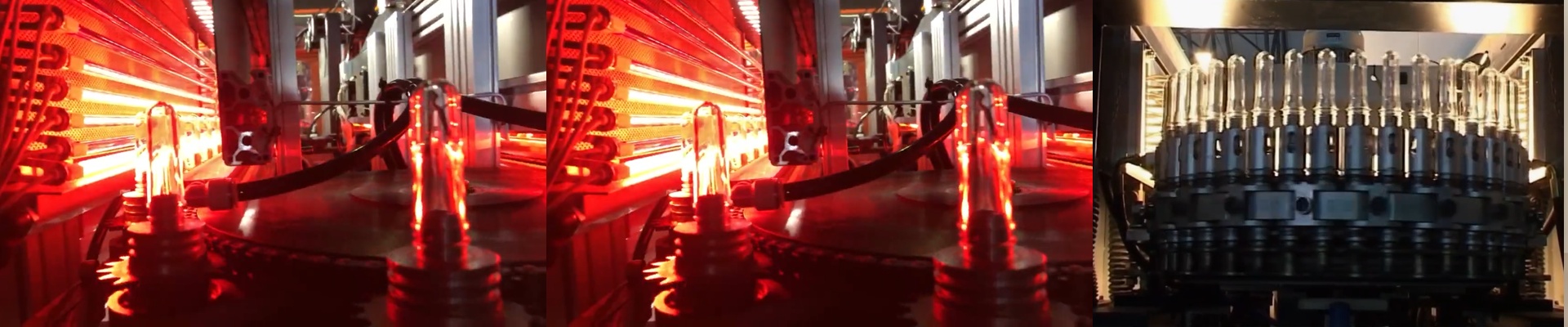
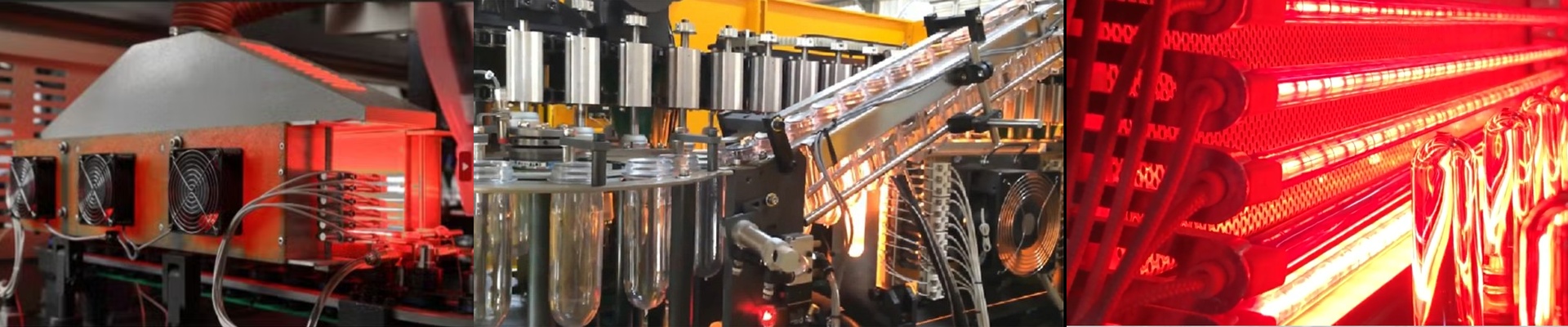
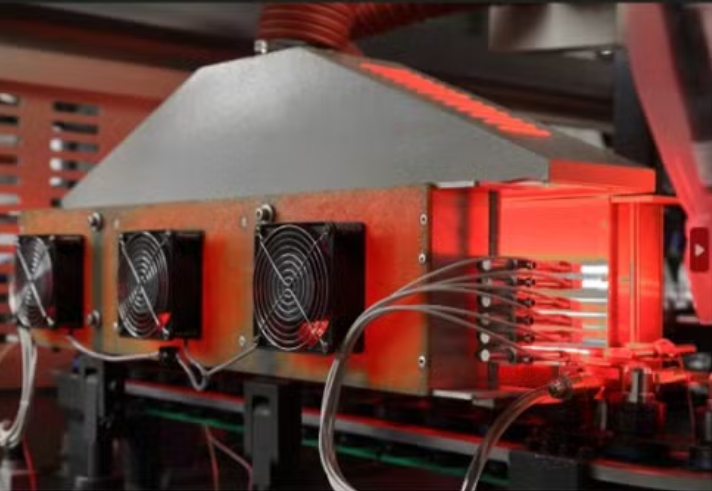
Here is the problem when you swap out OEM lamps in a Sidel Matrix blower: the temperature curve loves to shift. If the wattage is off or the light hits the plastic differently, your PET preforms won’t heat evenly. You end up with thin walls in some spots and bottle failures in others. It’s a headache nobody wants. That’s why we build our lamps to mimic the original electrical and thermal footprint. Exactly. The nitty-gritty on the specs Matching a lamp takes more than just measuring the length with a ruler. We make sure our tubes hit the same voltage and wattage as the Sidel originals. Why? Because you don’t want your power supply fighting the load. We also use high-purity quartz glass. It has to be tough to handle the kind of intense heat needed to soften PET quickly. As for the wiring, it’s simple. Depending on your Matrix model, we use R7s or Sk15 connectors. You just plug them in. No messing around with the sockets or modifying your setup. The science of the heat To get that “factory” heat curve, we obsess over the halogen cycle and the coating. We use a specific halogen gas fill to keep the filament stable. This means the lamp won’t just burn out the moment you push it through a high-load cycle. Then there’s the coating on the quartz. This is the tricky part. It manages the infrared emission so the energy actually hits the preform instead of just heating up the oven walls. It’s a delicate balance. Too thick, and the heat doesn’t penetrate. Too thin, and you get hotspots. Real-world advice These lamps put out a massive amount of heat. Since they run hot to keep your cycle speeds up, you’ve got to keep your cooling blowers clean. If your airflow is choked, even a perfect 1:1 replacement lamp is going to overheat and die early. We designed these to be a true drop-in fit. You put them in, and you’re good to go—no need to spend hours recalibrating your heating zones.