Stop Stressing Over Your PET Heating Tubes
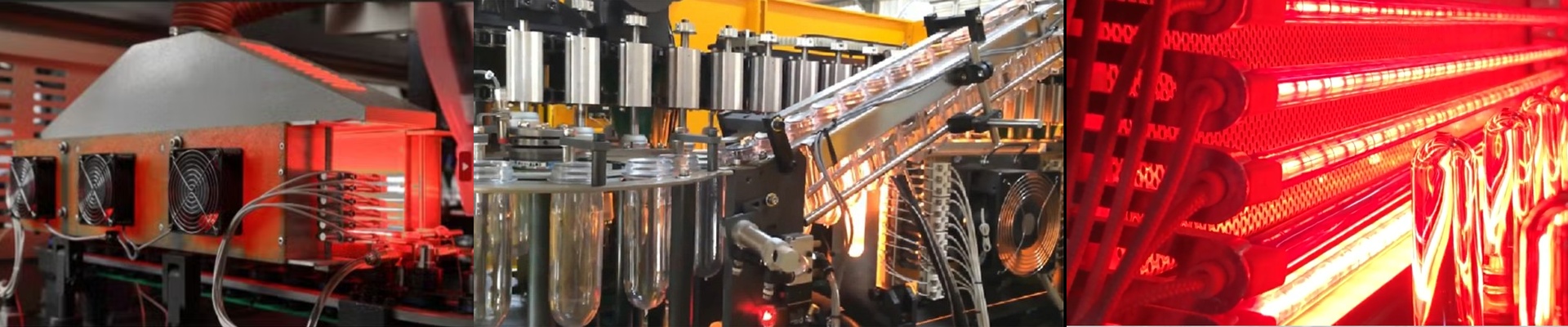
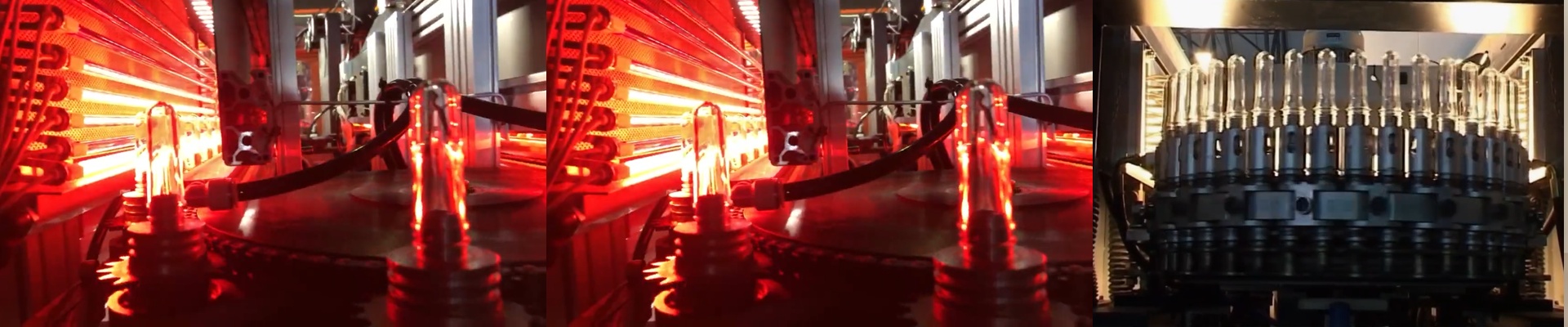
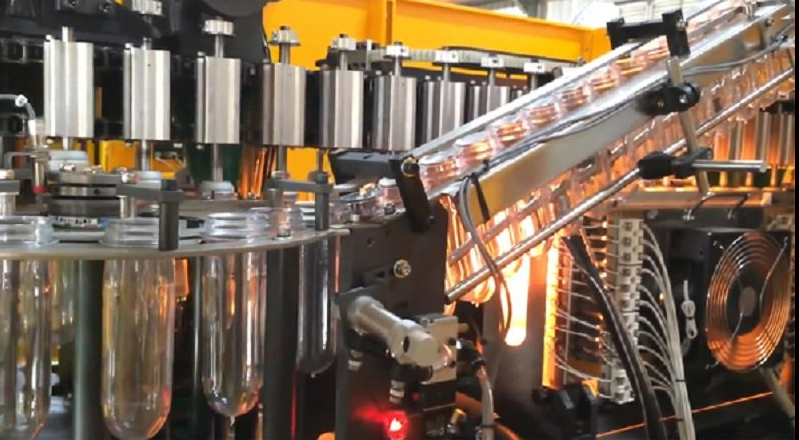
Let’s be honest: there is nothing worse than a production line grinding to a halt because a heating lamp burnt out, only to realize your replacement part doesn’t actually fit. It’s a nightmare. You’re staring at a machine that’s dead in the water and a part that’s off by a few millimeters. That’s why we built our quartz infrared tubes to be “drop-in” replacements. We’ve designed them to work with about 95% of the blowing equipment out there. It doesn’t matter who built your machine; these just work. How we make them fit It really comes down to the basics: the physical size and the electrical plug. We stick to the industry standards—specifically R7s and SK15 sockets—because that’s what the world uses. We obsess over the millimeter dimensions of the heating element and the spacing of the end-caps. Why? So you can just swap the tube out. No hacking at the racking, no rewiring, and no headaches. The secret sauce (Quartz and Halogen) We use high-purity quartz glass and pack it with halogen gas. This is a big deal because it lets the filament run hotter without burning out nearly as fast. If you’re running a high-output line, we’ve got 400V, high-wattage tubes that get those PET preforms heated up and ready to blow in record time. Some of our tubes also have a special coating. It helps the heat soak deeper into the plastic wall. This gets rid of those annoying “cold spots” that make your bottles warp or look wonky during the blow cycle. A quick word of caution Here is the thing: high-wattage tubes put out a massive amount of heat. That’s great for speed, but it puts a lot of pressure on your system. If you decide to jump to a higher wattage than what you had before, just double-check your power supply and your cooling fans. If your fans can’t keep up with the extra heat, the quartz glass will stress and eventually crack. It’s a simple fix, but it’s worth checking. We keep these in stock because we know you can’t afford to wait weeks for a custom order while your floor is silent. Just grab a tube, wire it up, set your timers, and get back to work.