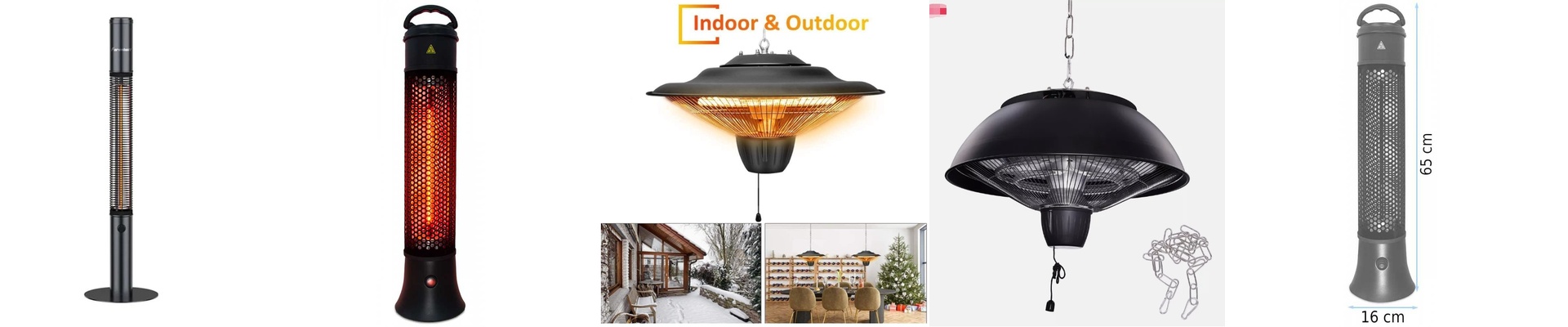
Why Your Outdoor Heater Keeps Dying (And How We Fixed It)
Let’s be honest: outdoor electric heaters have a rough life. They’re sitting out in the rain and snow, then suddenly cranking up to extreme temperatures. It’s a brutal cycle. The real trouble usually starts right where the lead wire hits the heating element. If that seal isn’t perfect, moisture sneaks in. Then, the moment you turn the heater on, that trapped water turns into steam. It builds up pressure inside, cracks the insulation, and—boom—you’ve got a problem.
The “Cheap Glue” Trap
Most heaters you find on the market use basic adhesives or some low-grade silicone. It looks fine at first. But these materials just can’t handle the constant heating and cooling. They burn out. Once the sealant fails, the wire insulation starts to shrink. That leaves the bare conductor exposed to the elements. In a rainy backyard, that’s a recipe for arcing or a dead short. Not exactly what you want when you’re trying to enjoy a cozy evening. We do things differently. We use OEM-grade sealing—think high-temp ceramic-to-metal seals or specialized fluoropolymer potting. These materials don’t shrink, crack, or give up when the heater hits peak temp. It keeps the water out and the power flowing.
Real Craftsmanship vs. “White-Label” Junk
A lot of cheap heaters are just “white-labeled” versions of the same bad design. They skip the vacuum-sealing step and just slather some glue on the outside. It’s a lazy fix, and it doesn’t work. True sealing happens inside the housing. We make sure the jump from the heating coil to the lead wire is completely airtight. It means you get a heater that actually lasts, rather than one that trips your breaker after the first big storm of the season.
One Small Catch
There is a trade-off, though. Because our seals are so tight and sturdy, the lead wires are a bit more rigid. You can’t just bend them sharply during installation. If you kink the wire right near the seal, you might put too much stress on the internal junction. Just take a second to plan your cable routing. Keep the curves gentle, and your heater will stay happy for years.