Carbon Fiber Outdoor Heaters: Warmth Without the Energy Shock
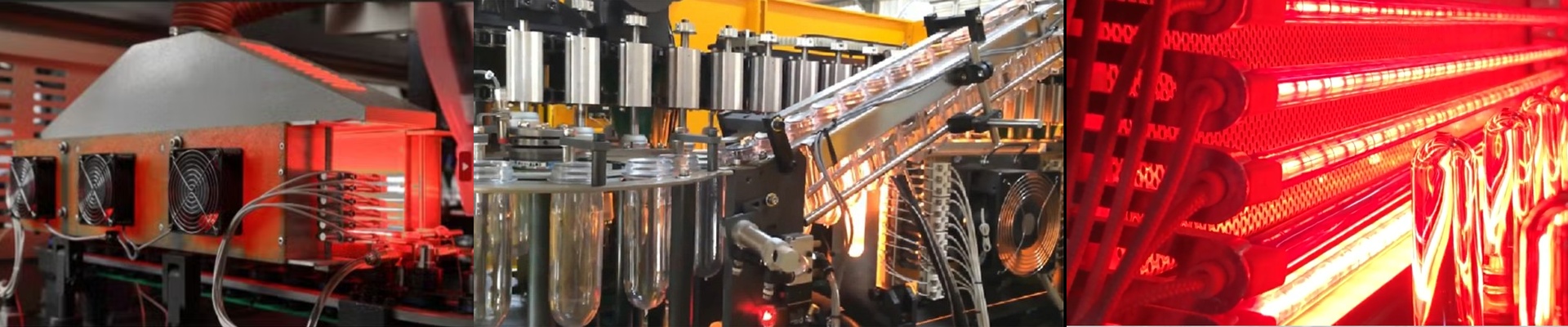
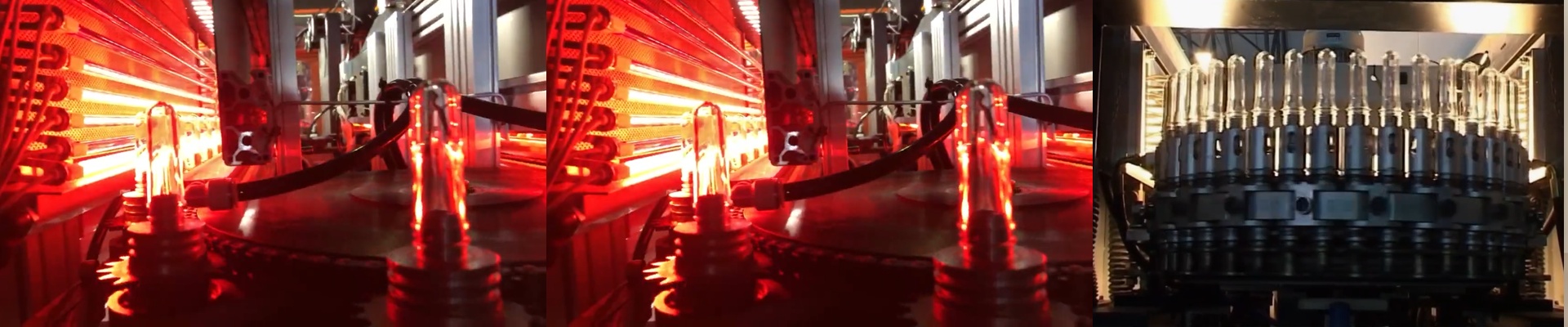
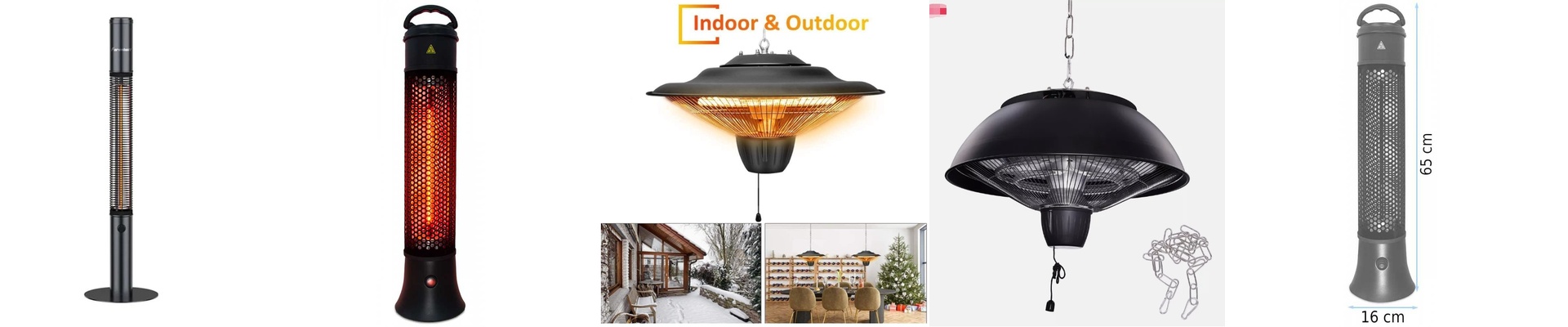
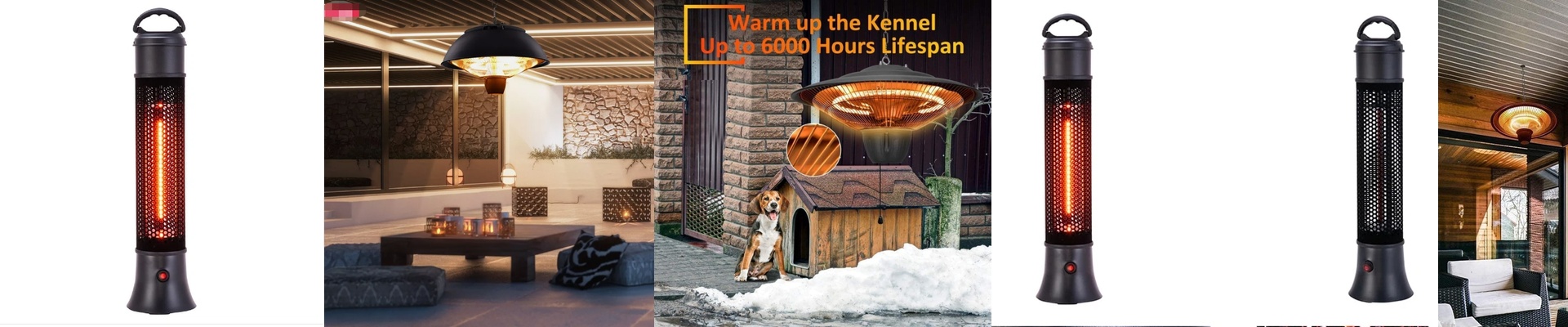
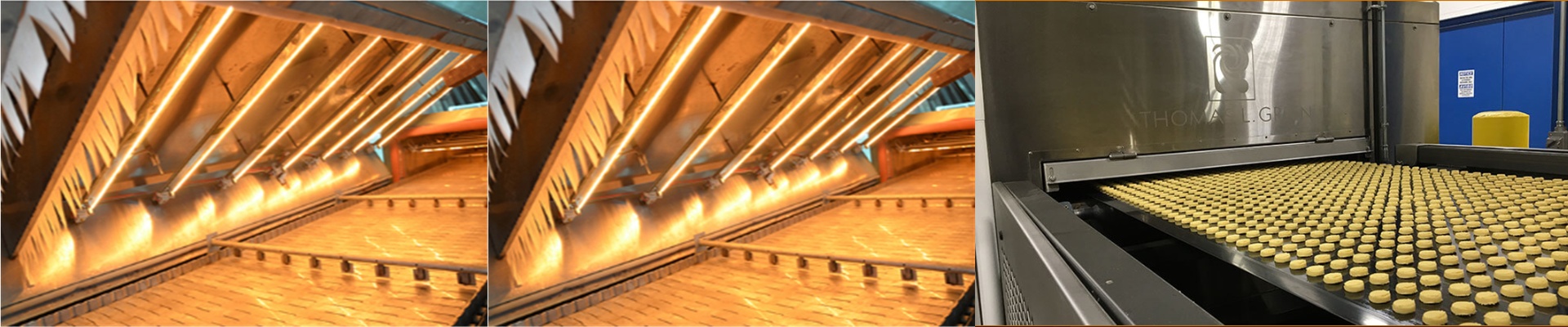
We built these carbon fiber outdoor Heaters for the places that really need heat—the loading docks, the factory doorways, the outdoor work lines. The kind of spots where warm air systems just throw money down the drain. Here’s the magic: infrared. It doesn’t waste time moving air. It delivers targeted warmth straight to people and objects. And that focus? It cuts electricity use by 30% compared to old-school convection heaters.
Power that actually fits your space
These units are designed for real-world outdoor work, not showrooms. They run on standard industrial voltages—220–240V or 400V—so you can plug them in without rewiring your whole place. Wattage is chosen to pack a punch in a small footprint. You get serious heat without needing a heater the size of a truck. And the tube length? It’s not random. It shapes the heat pattern. Longer tube spreads the warmth. Shorter tube concentrates it. So you can match the heater to the exact spot that needs it—whether that’s a doorway, a dock, or a workstation.
The guts that keep it honest
Inside, you’ve got a carbon fiber core tucked into a quartz envelope. Halogen gas helps keep the filament stable, so the heat stays consistent—even after thousands of hours. The quartz tube can handle weather swings and rapid on/off cycles without cracking. It also sends infrared energy out efficiently, so you feel the heat, not the wait. We added a reflective coating to push more infrared forward and cut down on wasted energy to the sides. And the R7s connector? It’s tough, high-temp, and makes solid contact. That means the heater drops right into existing fixtures and keeps field wiring mistakes from happening.
Where they shine—and what to keep in mind
These heaters are made for the outdoor spots where warm air systems just give up. Doorways. Loading bays. Exposed work lines. Infrared hits people and objects directly, so you’re not burning energy to heat empty air. That’s where the 30% energy savings comes from—no air movement, just focused warmth where it matters. Installation is straightforward. With the R7s base and standard voltage options, you can match the unit to your panel and fixture without headaches. One thing to plan for: the heat is dense. That means you need proper machine cooling and enough clearance around the unit. Get that thermal plan sorted up front, and the heater will take the weather, the cycles, and keep on running.