Why We’re Switching to Infrared Heat Bridges in Baking
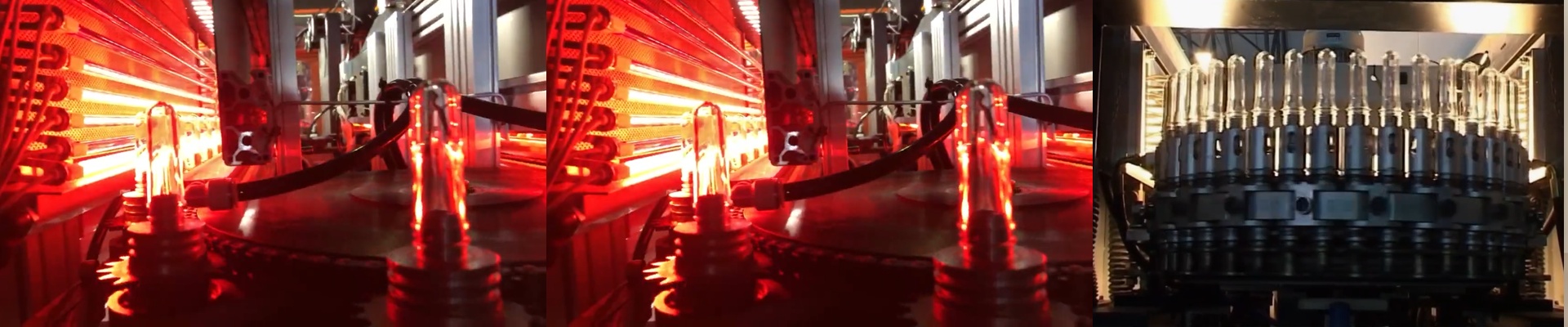
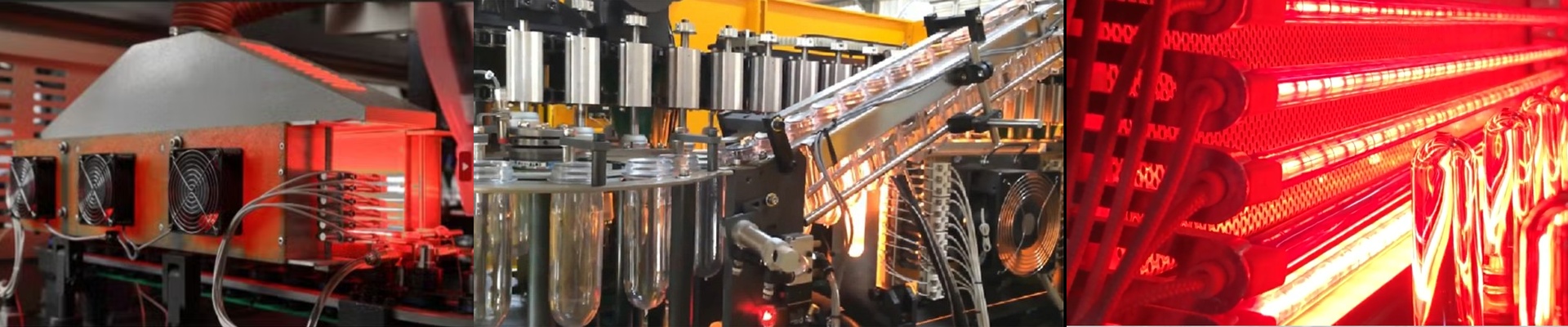
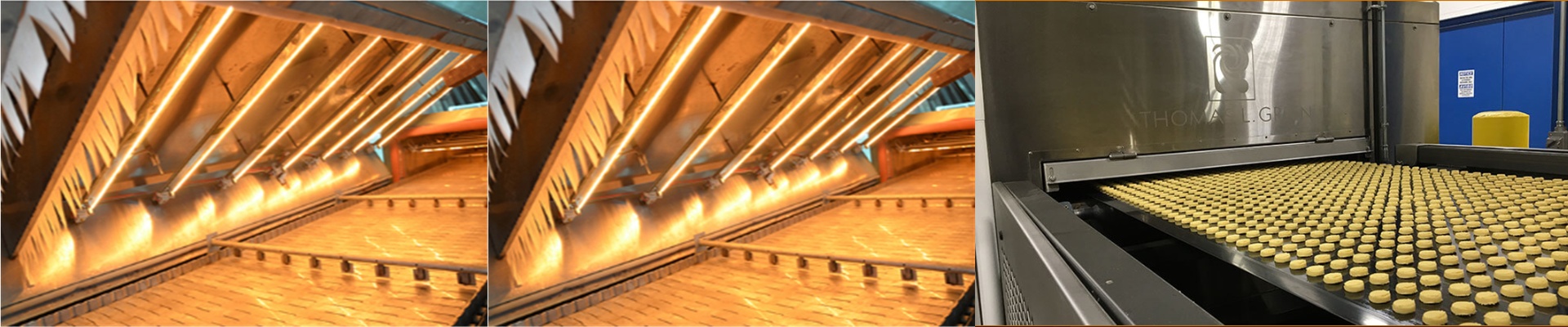
Most old-school convection ovens are basically giant heaters for air. They heat the air, and then the air heats the food. It’s a slow process and, honestly, a huge waste of power. We do things differently. We use infrared (IR) heaters to create what we call a “heat bridge.” Instead of fighting with the air, electromagnetic radiation shoots energy straight into the food. It’s the secret to baking with a much smaller carbon footprint.
How the energy actually moves
Think of it like sunlight hitting your skin on a cold day. You feel the warmth instantly, even if the air around you is freezing. That’s exactly how our IR heaters work. We set these systems to target the water and fats in your dough. Because the energy hits the target immediately, you don’t have to spend hours warming up the oven. It takes seconds. Your throughput goes up, and you don’t need a massive machine taking up half your floor space.
The tricky part: Power and Heat
Designing these bridges is a bit of a balancing act. You have to weigh the wattage against the length of the tube. If you aren’t careful, you get hot spots. Sure, cranking up the power density lets you bake thinner profiles, but it puts a lot of stress on the quartz envelope. If you push too much wattage into a short tube, the thing will just burn out. To keep the filament stable, we always suggest matching your power supply exactly to the lamp’s rated voltage. Simple, but it saves you from a headache later.
Making it work in a real kitchen
Switching to IR doesn’t mean you can just forget about the rest of the oven. You still need to watch your humidity. If you don’t, the surface will dry out way too fast. It’s all about the dance between IR intensity and your conveyor speed. If the belt crawls too slowly, you’ll char the outside of your product before the middle is even cooked. But here’s the best part: the energy savings. You only power the lamps when the food is actually sitting under the bridge. No more paying to heat a big empty box while you’re waiting for the next batch.