Introduction
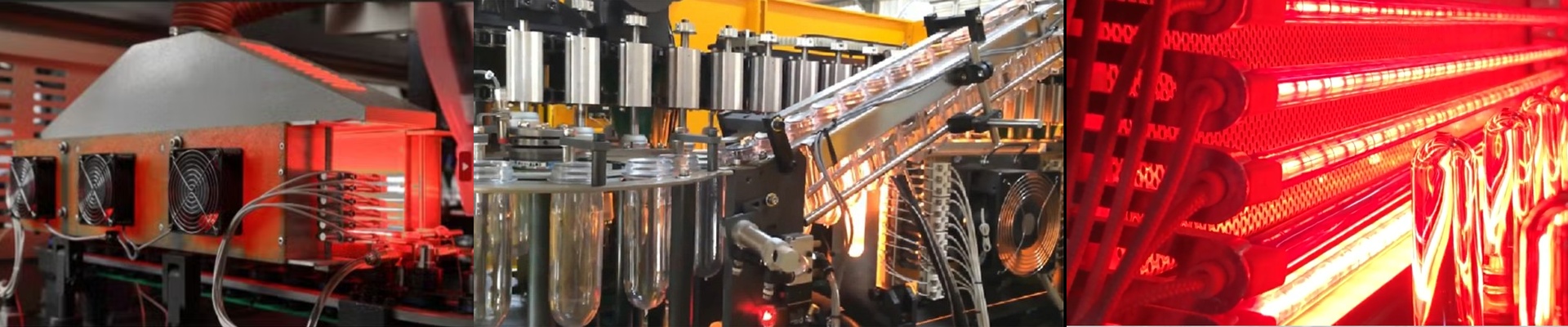
We built this clear quartz infrared heater to solve one stubborn problem on the plant floor: hit the temperature you need, fast—then hold it steady, without drifting. And it’s not just about speed. It’s about what that speed buys you: the ability to turn the heat off the second the process doesn’t need it anymore. No more paying for heat that’s just sitting there, doing nothing.
Technical Deep-Dive: Power, Voltage, and the Speed Question
Here’s the secret to that near-instant response: high power density. This heater packs a lot of radiant punch into a small footprint, so your target gets hot right away. No waiting around for slow convection or for a big chunk of metal to slowly warm up. We also matched the voltage and wattage to standard industrial power supplies, so the current draw stays predictable. No surprises. But speed comes with a trade-off. High heat density means the lamp runs hot, and that heat has to go somewhere. If your machine enclosure or cooling setup is too small, ambient temperature climbs—and control gets shaky. So treat the thermal side like you treat the electrical side: plan for it.
Material & Design: Why Clear Quartz and the Right Connector Matter
We chose clear quartz for a reason you can feel in real-world use. It transmits infrared cleanly, and it handles rapid temperature swings without cracking. When your process keeps switching on and off quickly—again and again—quartz keeps its head, and its shape. And the connector? It’s not about looks. An R7s base gives you solid contact and repeatable alignment, so you can wire it in fast and count on stable performance. The whole design drops right into common industrial lamp fixtures, which means less downtime when it’s time for maintenance.
Application & Benefits: What This Means on the Line
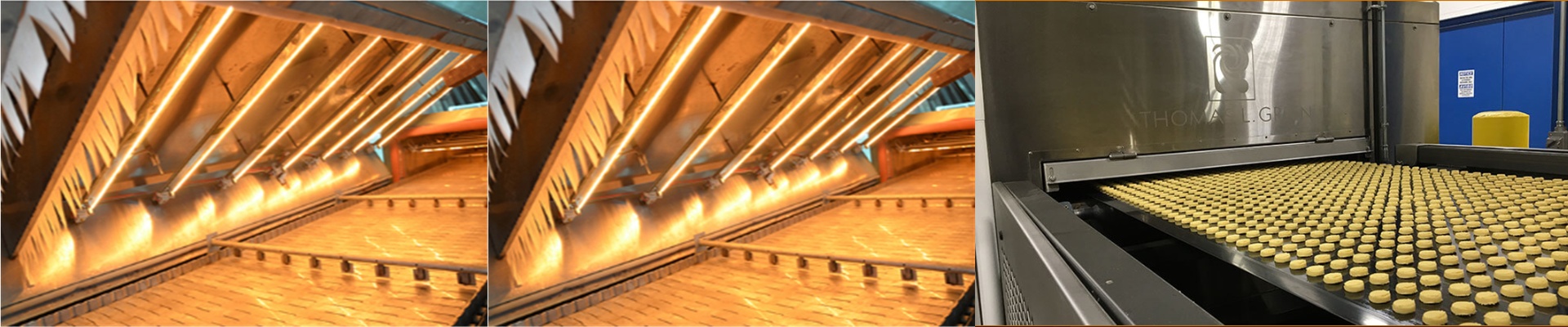
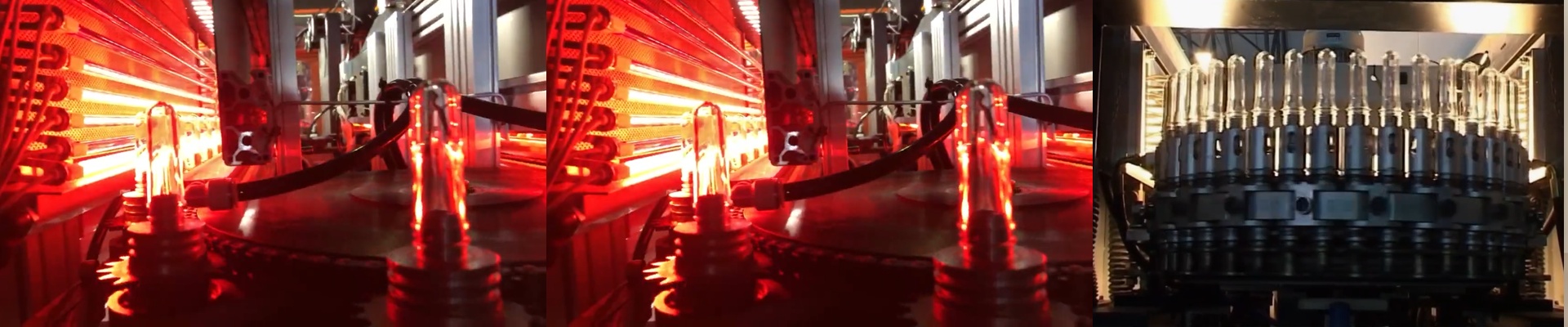
If your work needs tight temperature control—like heating plastic, activating coatings, or drying components—this heater gives you control you can actually trust. Fast response means shorter warm-ups, quicker changeovers, and far less wasted energy when the line is idle. In practice, you’ll see it: less time spent ramping, less heat bleeding into the frame, and a process that repeats more smoothly shift after shift. If you want tighter control and lower electricity use, treat the heater as a complete system—power, voltage, quartz, and connector—so the performance stays consistent where it matters most: on the line.