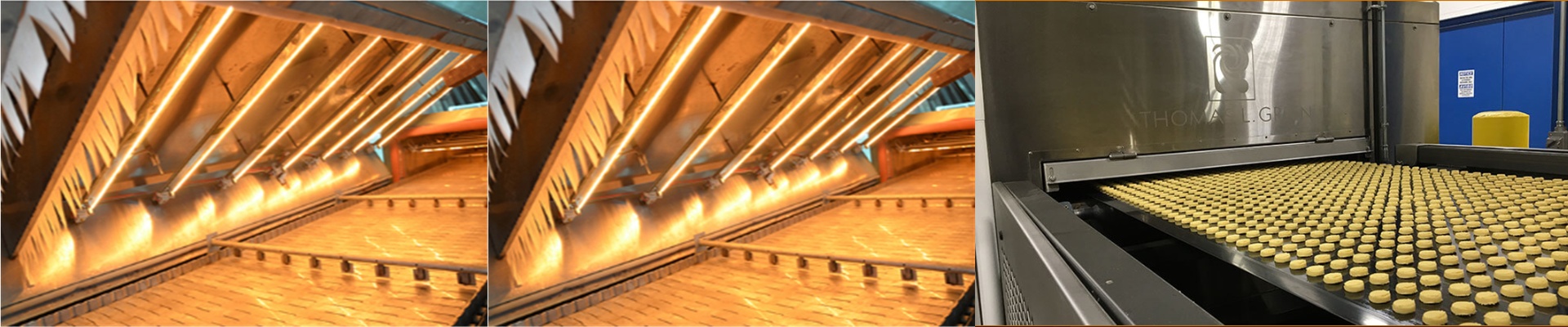
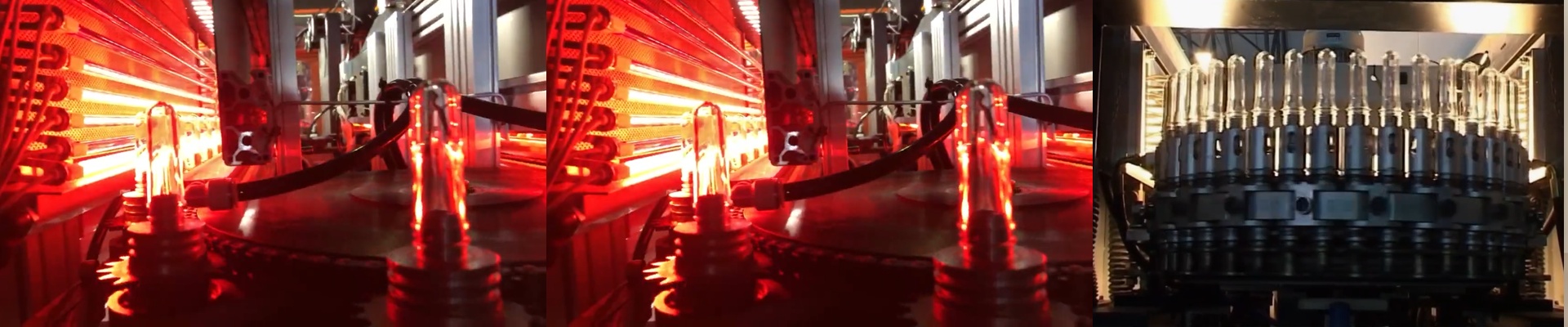
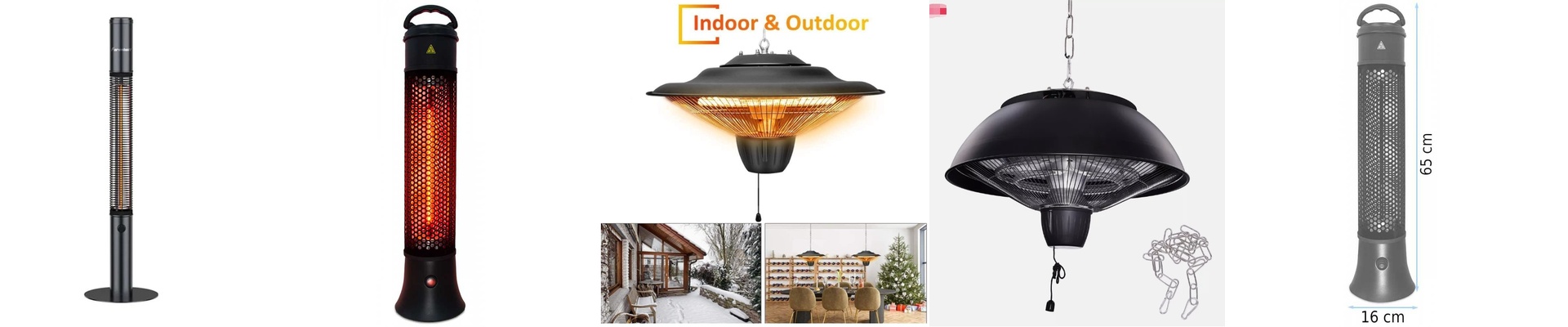
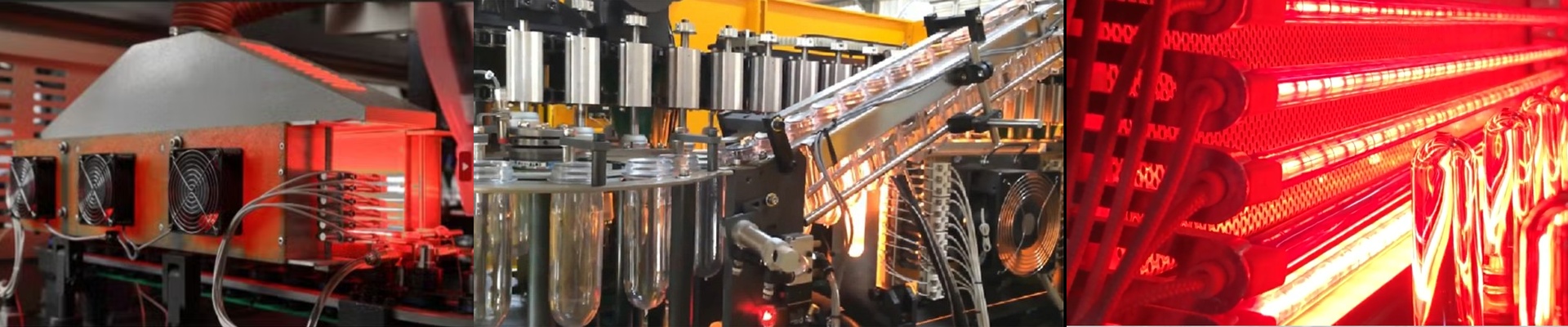
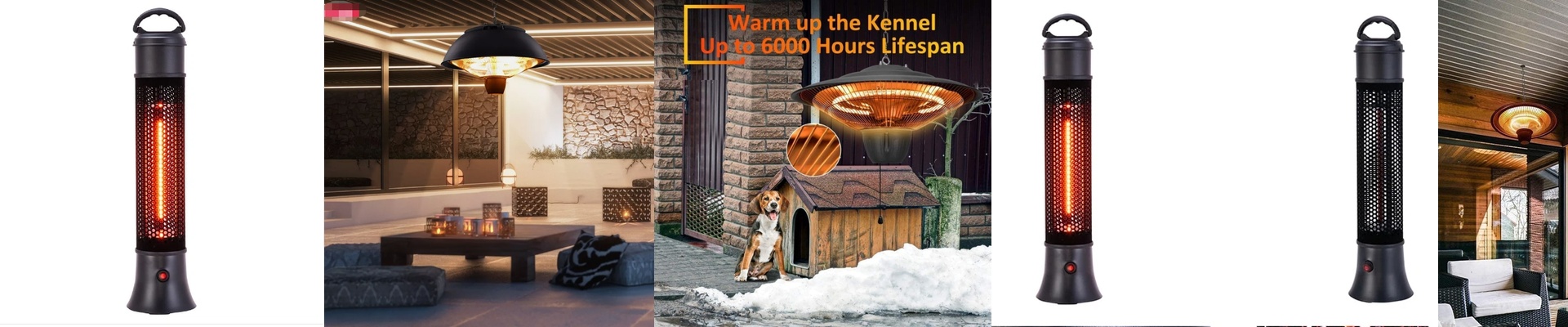
In a busy commercial kitchen, temperature control is the thin line between a smooth service and a shutdown notice. When you’re sterilizing utensils, proofing delicate doughs, or trying to crisp up small batches, generic heating elements drift, lag, and waste energy. So we built our toaster oven line around a dedicated ceramic heater core—steady, even heat for sterilization and consistent baking performance. What matters technically The ceramic heater has a focused, high-response profile. It brings the baking chamber up fast, then holds the setpoint without wild swings. You get tight temperature uniformity across the cavity, so every tray sees the same heat—whether you’re running a sanitizing cycle or pulling off a crisp, evenly browned pastry. In practice, that means faster heat-up, shorter dwell times, and results you can count on, shift after shift. Why it works in real service During the rush, equipment has to earn its spot. The ceramic heater runs reliable sterilization cycles for utensils and smallwares, and still behaves like a real kitchen oven for breads, pizzas, and quick-finish items. Stable heat protects crust structure and caramelization, and the predictable cycles make scheduling easier when things get hectic. Energy use drops because the element heats quickly and idles efficiently, and consistent output means less scrap and re-work. Here’s what to watch for Ceramic heaters run hot at the source, so clearance to surrounding surfaces matters. The oven needs proper ventilation and the right mounting gaps to avoid overheating nearby cabinetry or insulation. Also, if you’re relying on full sterilization claims, make sure cycle time and load density match your sanitation protocol. Get the installation right up front, and the oven pays you back with steady heat, cleaner workflows, and dependable food quality, day after day.