
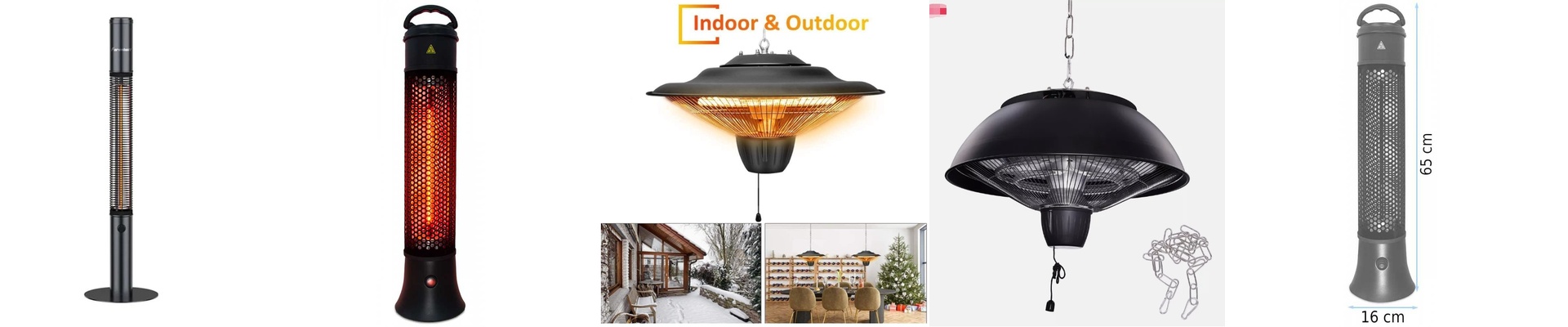


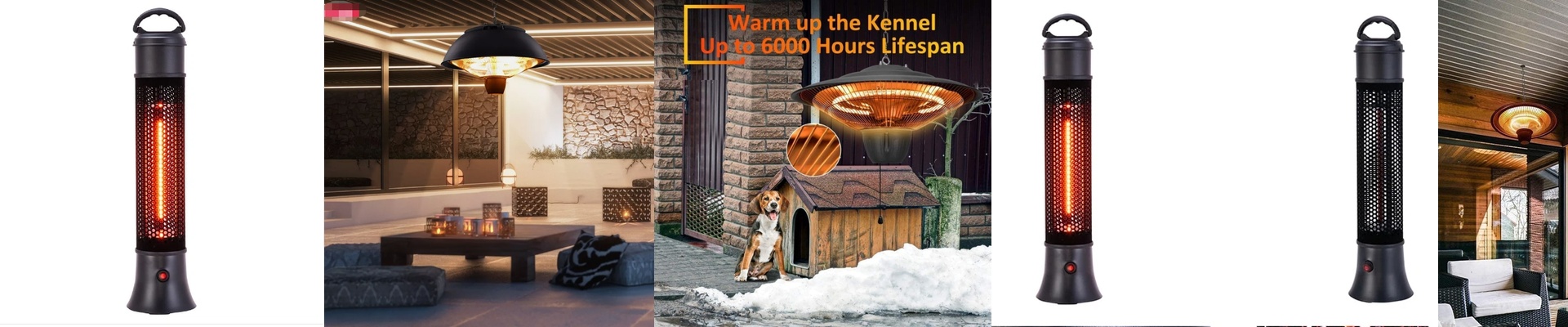
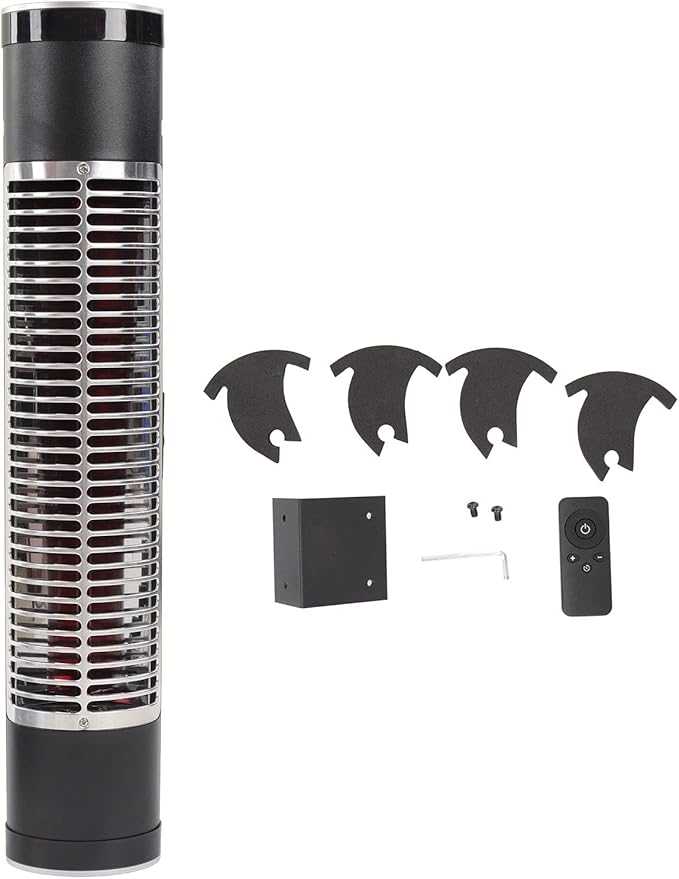
In a sunroom, comfort is about how the heat lands on your skin—not just what the thermometer reads. Forced-air systems tend to dry things out, kick up dust, and create drafts that make the room swing hot and cold. For older adults especially, those swings can feel unsettling. Infrared heaters take a different approach: radiant warmth that reaches people and surfaces directly, without moving air.
What matters, technically
Sunroom infrared heaters usually run on a quartz tube or a carbon fiber element to produce long-wave infrared energy. The heat hits people and objects first, the same way the sun warms a stone patio. Most units are designed for 120V outlets, draw between 1,500–1,500W, and come with a built-in thermostat so you can hold a steady room temperature. For safety, look for tip-over protection and an overheat cutoff. If the sunroom stays damp, go with an IP-rated outdoor electric heater that’s rated for covered outdoor use.
Why it fits a sunroom
People talk about infrared warmth as “bio-friendly,” and there’s a reason: it supports gentle circulation and muscle relaxation without the abrupt swings you get from a fan heater. In a sunroom—morning tea, reading, quiet evenings—steady heat helps the body keep a stable core temperature. That reduces the strain sudden cold or drafty air can put on circulation. You feel cozy faster, and the room feels more even overall, with no noisy fans.
The practical details
Infrared heat is directional, so placement matters. Point the heater toward seating areas, and in larger sunrooms, run multiple units to prevent cold spots. Because the warmth goes straight to people and objects, you can often keep the thermostat a touch lower and still feel comfortable—potentially saving energy. If you’re running more than one heater, plan for a dedicated circuit. Keep the unit clear of curtains and furniture, and respect the manufacturer’s clearance distances.