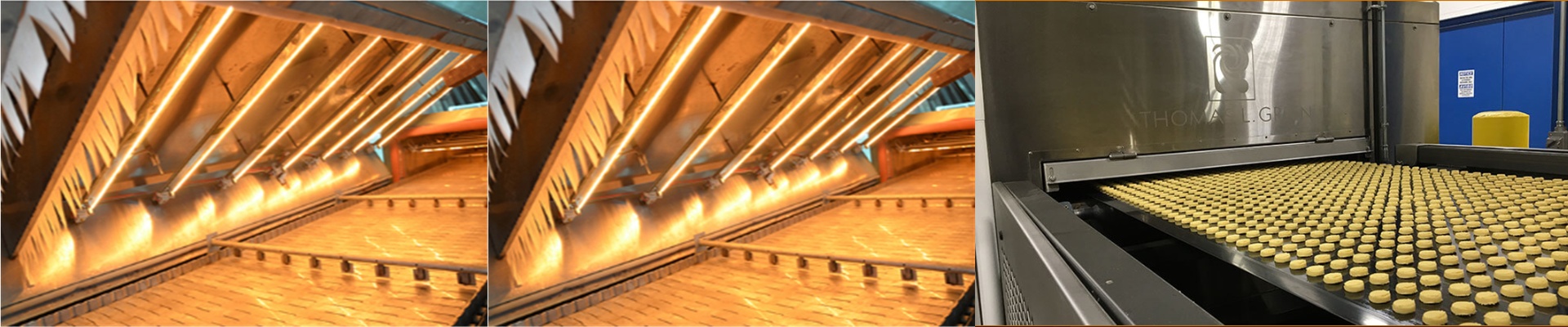
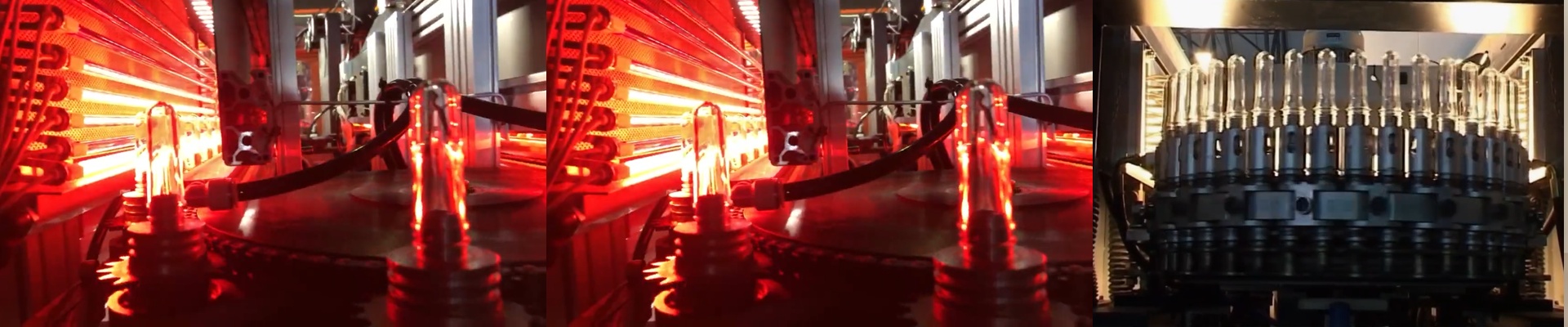
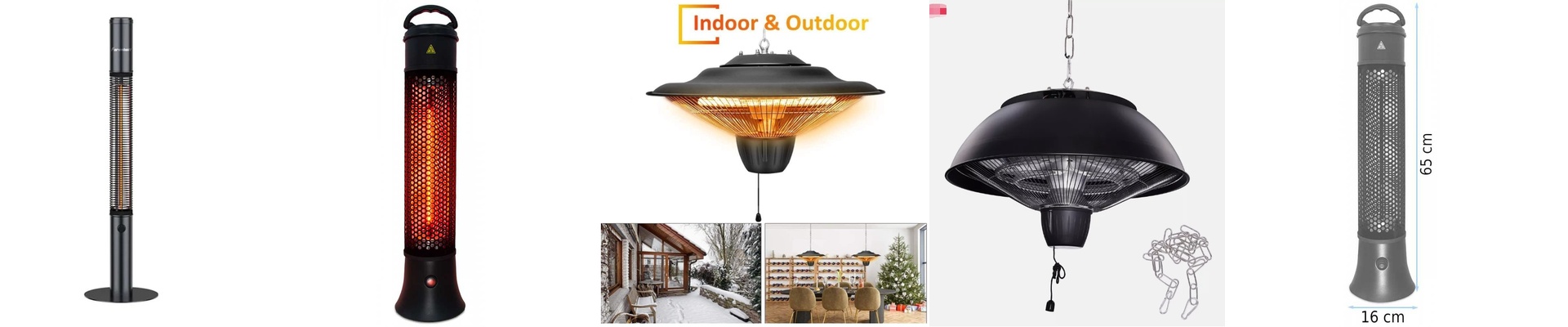
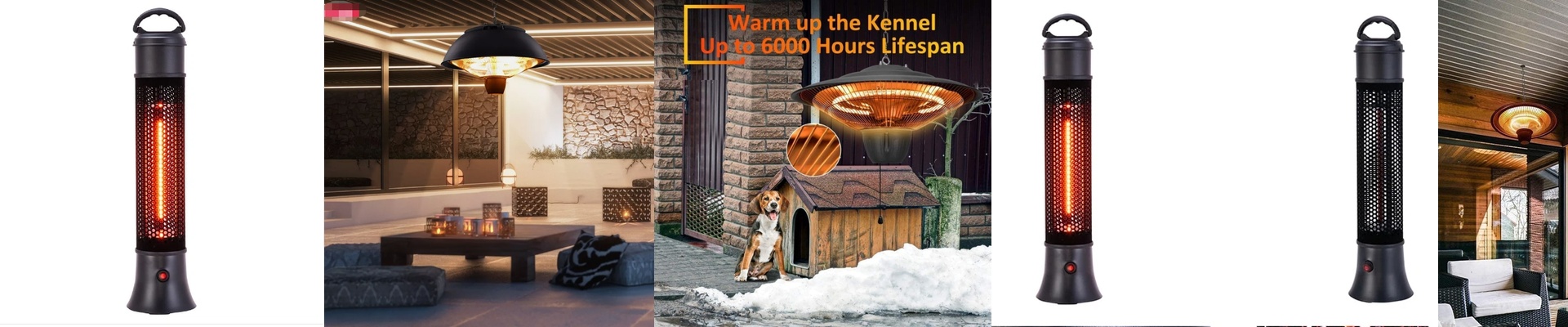
How Infrared Panel Heaters Turn Cold Spaces into Cozy Ones—Almost Instantly
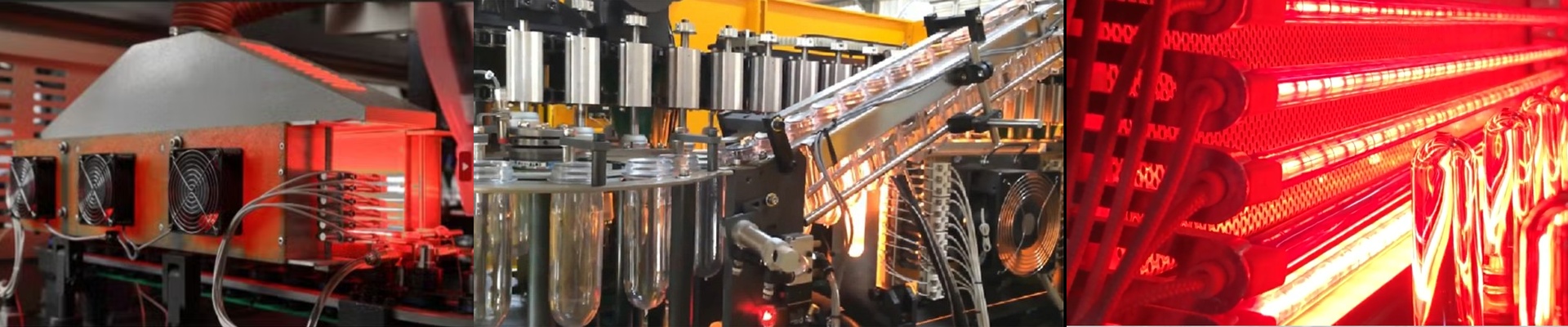
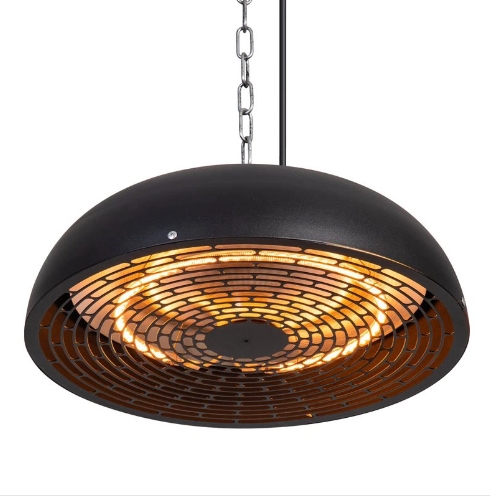
We built these infrared panel heaters for one reason: to stop shivering. Seriously. If you’ve got a spot that’s always drafty and stubbornly cold, these heaters warm it up in seconds—not minutes, not hours. Here’s how they do it. They use shortwave infrared that sends heat straight to people and objects. Not the air. So you feel the warmth immediately, especially in places like changing rooms where you just want the cold to disappear.
Why they feel so fast
It comes down to power. A typical unit runs at 2500W on a 400V circuit. That kind of punch lets the element heat up fast while keeping the wiring manageable. The element gets hot quickly, and the surface starts throwing heat within seconds. And they’re small. The tube is often around 300mm long, so they slip into tight spots without a fight. Mount them overhead or on a wall—out of the way, but still aimed exactly where you need the warmth.
Built to take the heat
Inside, you’ve got a halogen-filled quartz envelope. It handles high temps and the constant push-pull of heating up and cooling down. The halogen cycle helps keep the element clean, so you don’t get that blackening that robs performance over time. Installation is straightforward, too. We use R7s connectors for solid contact. They handle the high current without building up resistance, so you don’t end up with hot spots at the terminals. You wire it in, and it just works.
Perfect for changing rooms
Comfort is the goal, but reliability is the must. These heaters deliver quick, directional warmth that feels immediate. You aim it, power it on, and the heat starts coming—no waiting around. A heads-up, though: with 2500W packed into a compact footprint, the area around the unit gets warm. So make sure your ventilation and cooling are sized to match. For engineers, that means you get a tough, simple solution that specs clean, installs fast, and keeps delivering steady warmth. **Note:**Wattage, voltage, and dimensions can vary by model. Always double-check the datasheet against your load and mounting limits before you lock in the design.