

Cold dorm rooms don’t just make studying harder—they knot your shoulders, stiffen your joints, and turn evenings into a layering drill. Fan-forced heaters? They’re noisy, kick up dust, and waste energy heating the ceiling. What a dorm needs is warmth that shows up fast, stays where you are, and keeps things quiet.
What matters, technically
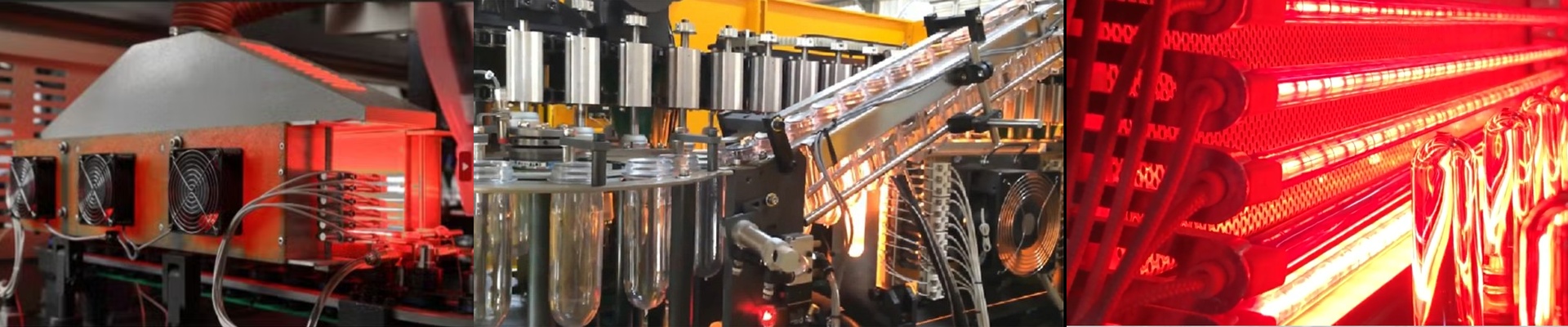
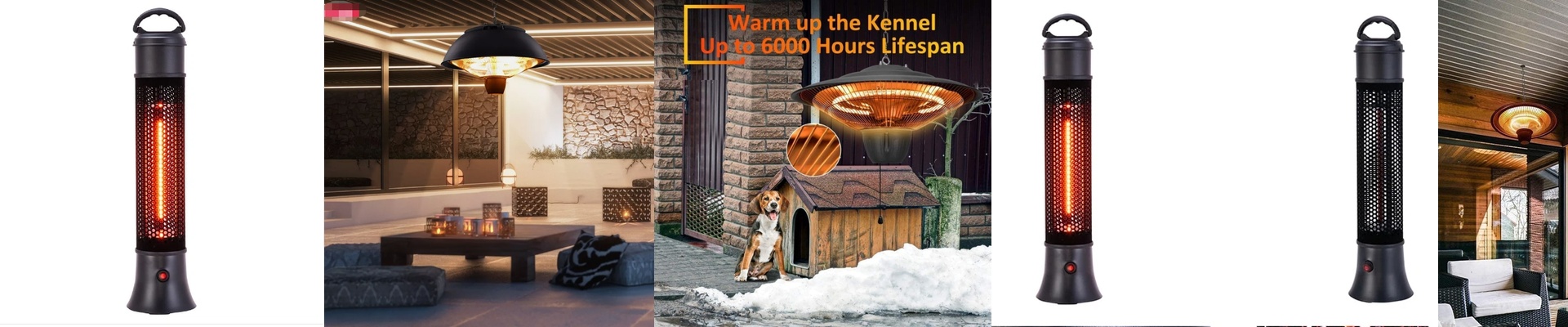
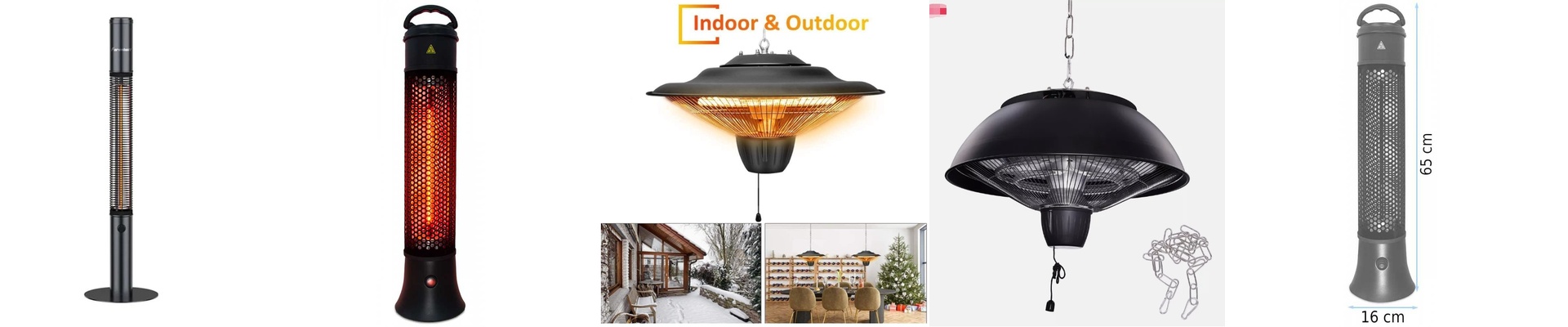
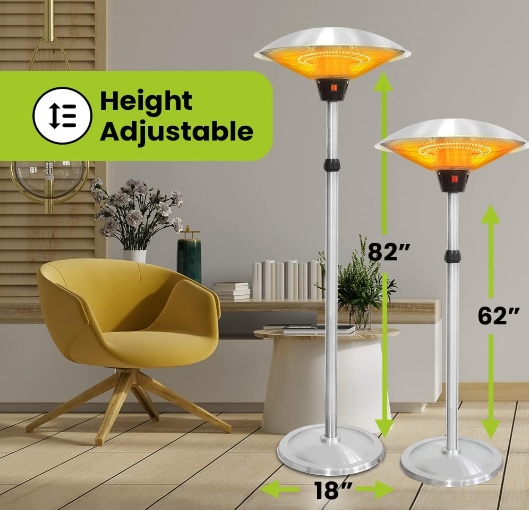
Infrared space heaters deliver radiant warmth—heating people and objects directly instead of the whole volume of air. For a dorm, a compact electric infrared heater with a carbon fiber element or quartz tube can put out 1500W on a standard 120V outlet, so you’re plugging in without special wiring. The payoff is immediate: you feel the heat in seconds, not minutes. Most units include a built-in thermostat for steady comfort, and you’ll see tip-over protection and overheat protection as standard.
Why this fits the dorm
Dorm rooms are small, shared, and often drafty. Radiant infrared heat targets the spot where you actually sit—at your desk, on your bed, or in a reading chair—without blasting air around. Because the heat is directional, you can keep the overall room cooler and still feel cozy, which can help with energy use. And it’s quiet, since there’s no fan. That means fewer distractions while you study and a calmer vibe when you’re winding down.
Things to keep straight
Infrared works best in enclosed spaces, and it warms what it directly “sees.” Keep the heater 3–6 feet from you, aimed at your torso and legs, and don’t block it with furniture. It won’t heat the entire room evenly, so it’s not a full-home solution. Always plug into a grounded outlet, avoid extension cords, and leave at least three feet of clearance around the unit. For dorm use, check your school’s rules on personal heaters before you buy.