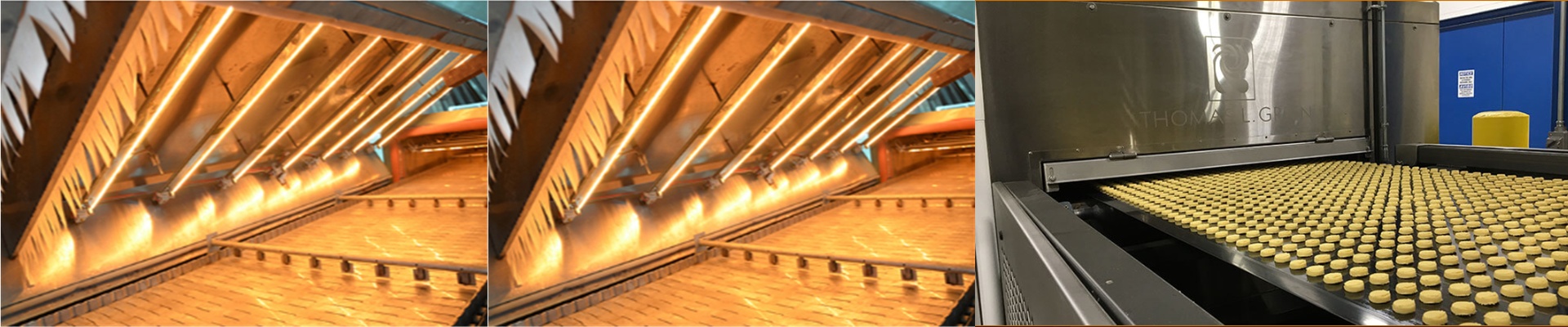
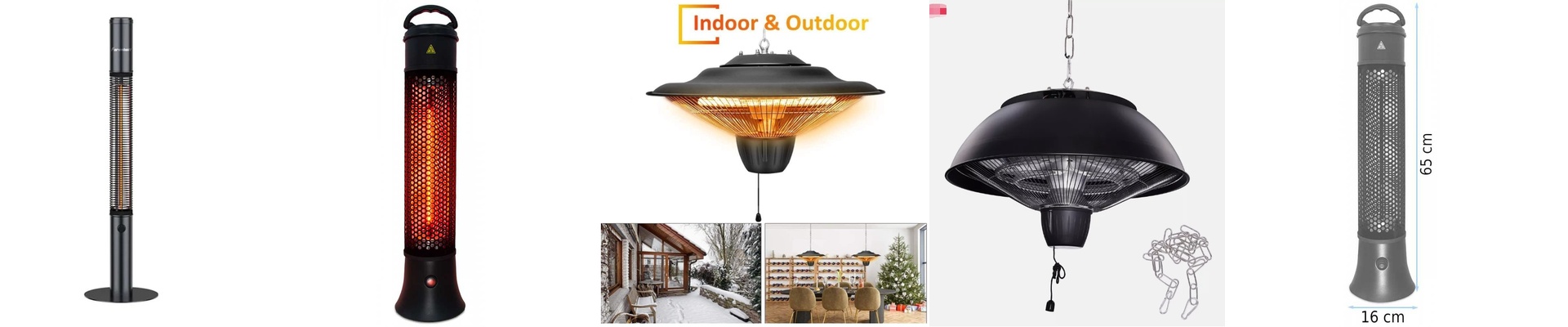
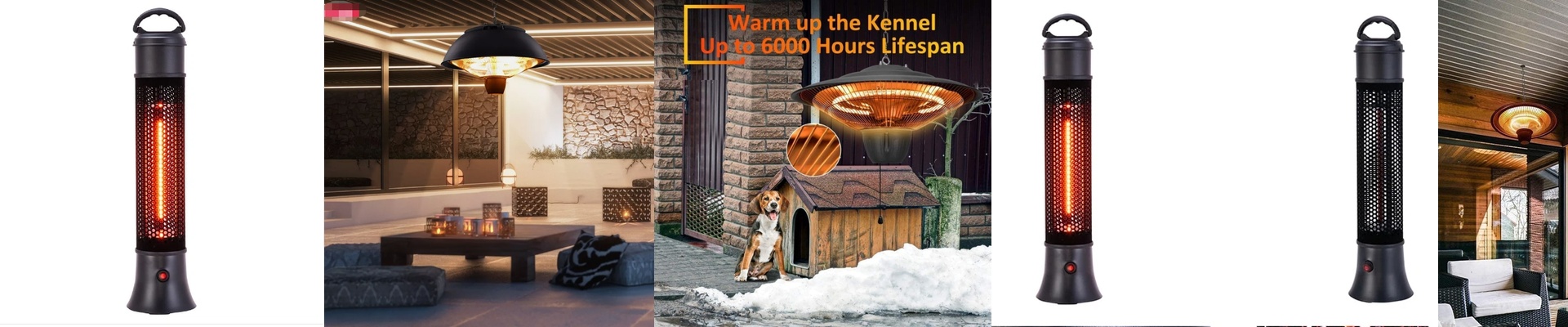
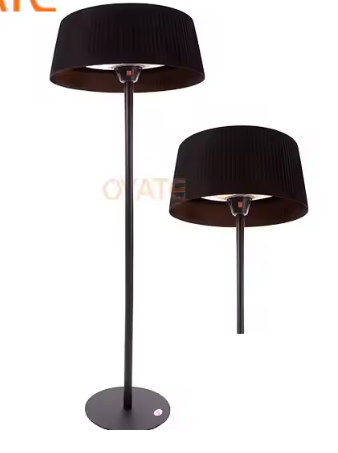
When wholesalers and traders are out hunting for heaters, they’re not just buying a box that throws heat. They’re buying a product that will pass inspection, hold up in the field, and keep the same customers coming back for more. A flimsy heater means callbacks, returns, and a credibility hit you can’t afford. We built our ETL listed space heater as a CE-certified infrared model to take those headaches off the table and turn orders into repeat orders.
What actually matters under the hood
We run a high-efficiency quartz infrared element, so the warmth is radiant—hitting people and objects directly instead of trying to warm air that just slips away. In the real world, that means faster comfort and steady performance even in drafty outdoor spots. The unit is ETL listed for North American safety, and it carries CE certification for broader market clearance. Inside, a built-in thermostat holds temperature, and tip-over protection shuts the heater off if it gets knocked over. The footprint is compact, and the standard 120V plug makes it easy to specify, drop in, and move around—whether the job is residential or light commercial.
Why this one earns confidence on the buy side
At the end of the day, wholesale success comes down to confidence—confidence in the paperwork, confidence in day-to-day performance, and confidence that you won’t be swamped with service calls. This infrared heater checks all three. Users feel the warmth almost immediately, and that kind of “instant comfort” translates into solid reviews and repeat purchases. For bulk buyers, the certification package smooths approvals and helps keep shipments moving, while the rugged build keeps warranty claims down. It also runs quietly, so it sits comfortably on a patio, in a workshop, or near customer seating without adding noise to the mix.
The field notes you want before you spec it
Radiant infrared heat works best when there’s a clear line of sight to the people or zone you’re heating, so placement matters. It warms objects and skin directly, but it won’t heat the surrounding air the way a convection heater does. Size the unit to the area, and keep it within the rated distance from occupants. And while the heater is designed for outdoor use, keep it protected from heavy rain and standing water—do that, and you’ll stretch its service life.