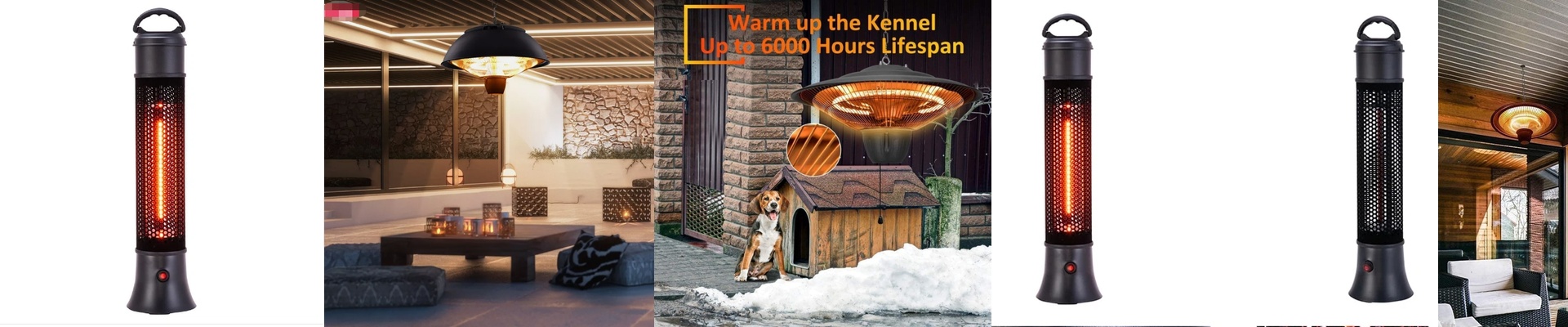
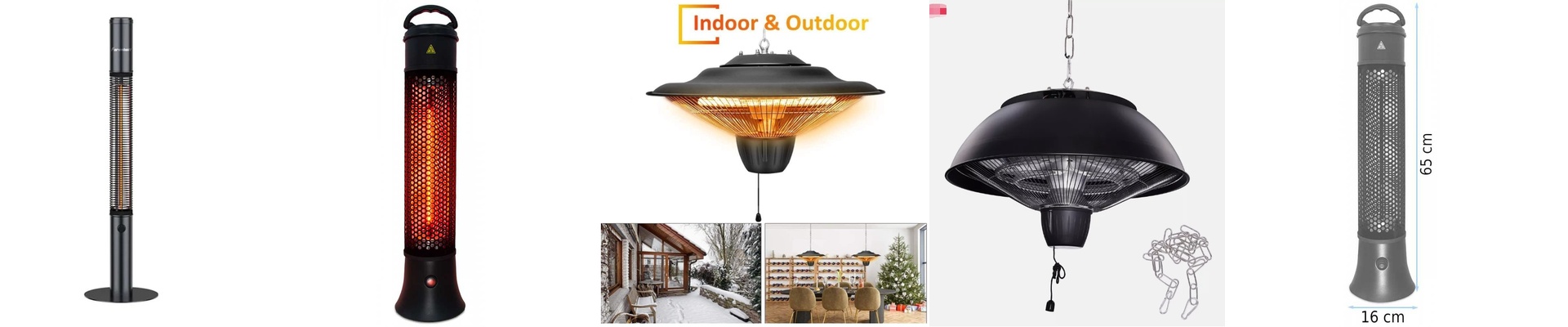
As we head into 2026, the trend is clear: people want cleaner design, quieter operation, and heat that hits the moment you step into the space. So the real question isn’t about chasing the next fad—it’s about picking a heater that stays relevant because it’s built right. We build our space heaters to deliver comfort that looks purposeful, runs the way you expect, and fits into actual homes, not just showrooms.
What matters under the hood
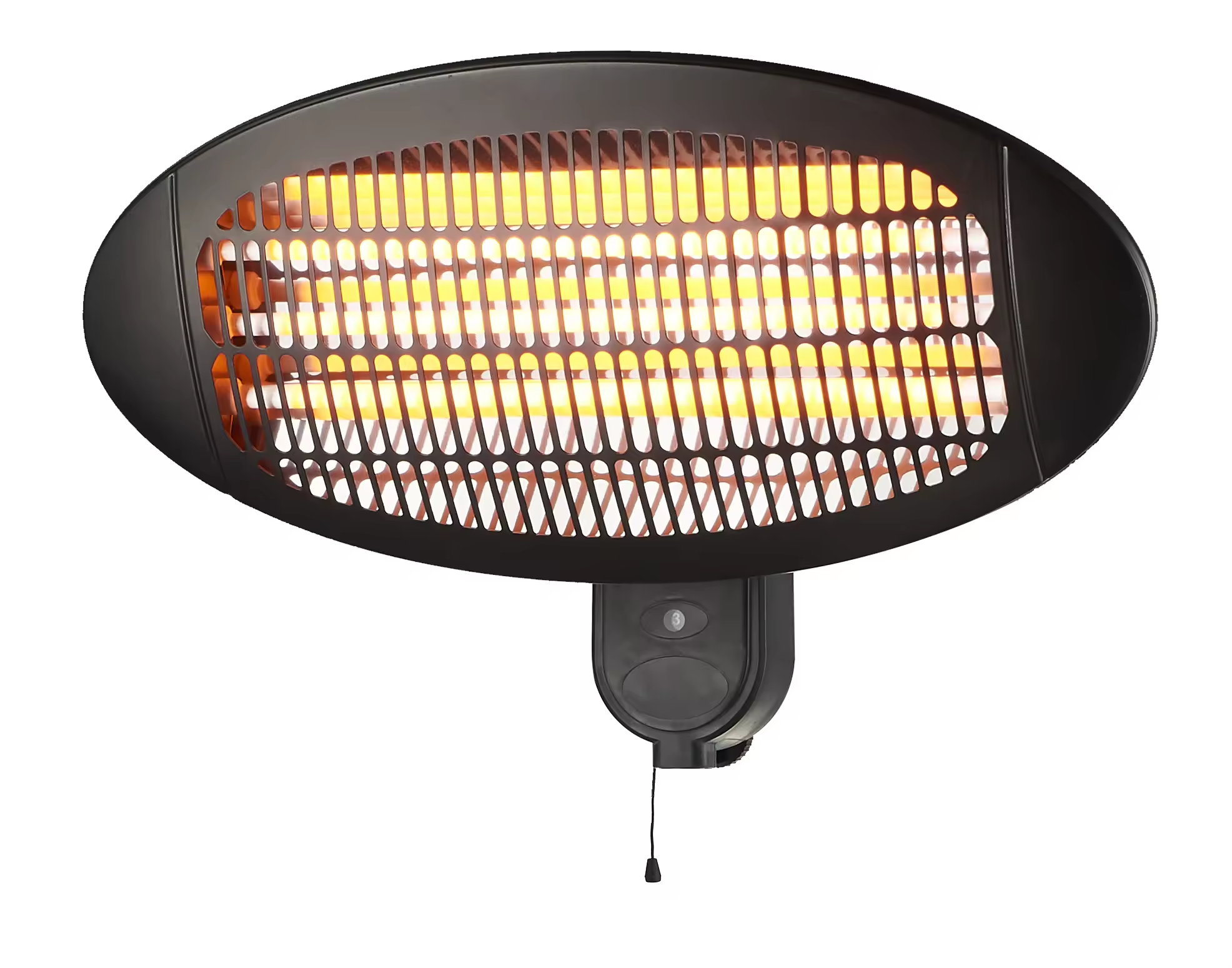
We lean on radiant warmth because it heats people and objects directly, instead of just pushing around air. Depending on the model, you’re looking at either a carbon fiber element or a quartz tube—both chosen for fast response and even coverage. Output is matched to typical room sizes, with 1500W options for standard spaces and higher capacities for open, drafty areas. A built-in thermostat keeps things steady, and tip-over protection cuts power if the unit gets knocked over. Outdoor-rated versions carry an IP rating to manage moisture and dust, and we stick with a standard grounded plug so setup is straightforward.
Why this approach holds up in real spaces
Good design isn’t just about looks—it’s about making heat feel effortless. In living rooms, on patios, and in workshops, the payoff shows up fast: warmth arrives quickly, cold corners fade, and the unit runs quietly without blasting air around. You get a dependable comfort zone that supports better sleep, easier downtime, and more usable hours outside. Energy use stays sensible because the heater focuses on the space you actually occupy, and the controls are straightforward enough that anyone can adjust settings without guesswork.
The details that make the difference
Radiant heat is direct and efficient, but it performs best when placed where you actually spend time—near seating, under a patio cover, or close to a workbench. For outdoor use, position the heater to cut down on wind exposure, and keep clearances to furniture and fabrics. Radiant heat is all about placement. Keep in mind, even though the heat comes on fast, very large or poorly insulated rooms may still need a supplemental air-moving solution. If you want a look that feels current in 2026, start with the right placement and the right output for your space.