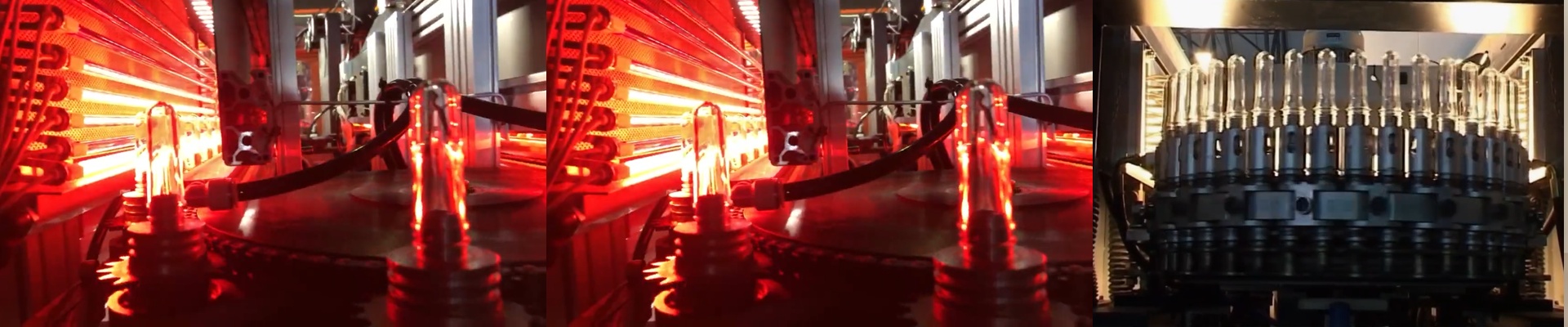
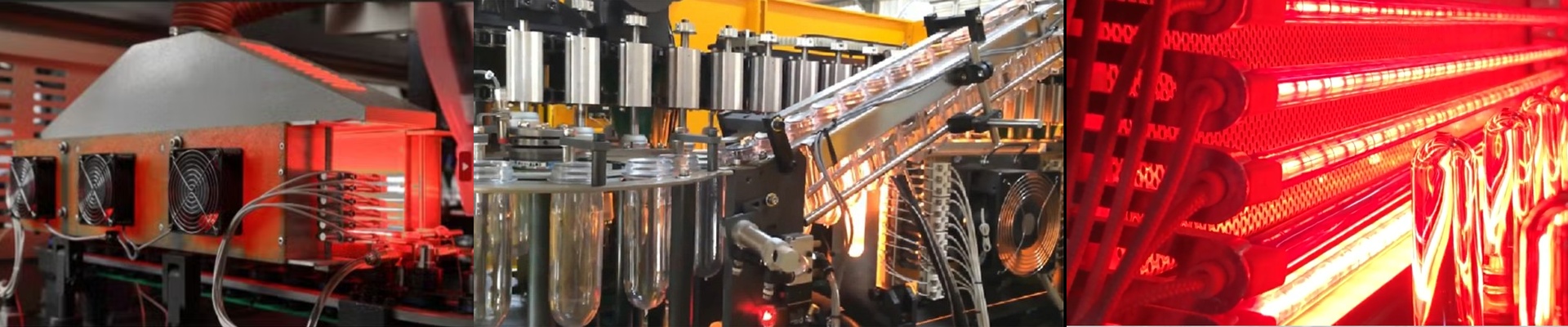
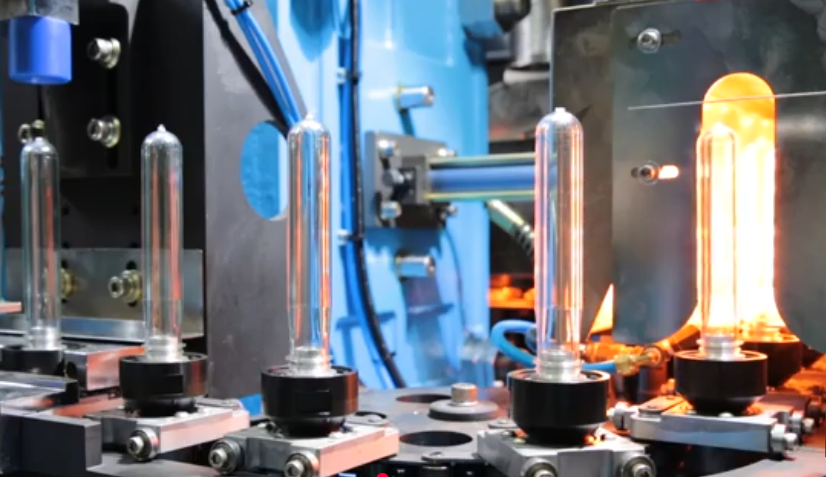
On the blow molding line, the heating tunnel is where the clock really starts ticking. Undershoot the preforms, and you’re staring at weak bottles and scrap. Overshoot, and you’re wasting energy while cycle times drift. More often than not, the root of the trouble is a heater that doesn’t match the machine’s electrical and thermal behavior.
What matters under the hood
We built this 480V 3000W infrared lamp for PET stretch blow molding, where repeatable, fast heating is the baseline. The 480V supply lines up with the plant voltage you see on Sidel, Krones, SIPA, Husky, SACMI, and Nissei ASB blow molders, so you can swap it in without rewiring the whole heating section. At 3000W, it delivers the punch needed to hit preform temperature quickly and keep the heating tunnel consistent through long runs. It’s short-wave infrared, so the energy is focused where PET absorbs best—fast surface heating with tight control. The R7s base and standard mounting dimensions are spec’d to match OEM sockets and brackets.
Why it behaves the way it should
In practice, the lamp puts you back in the machine’s intended process window. Warm-up is faster, preform heating is more stable, and you see fewer rejects from thermal drift. That translates to fewer line stops and a repeatable window for your PET bottles. Energy use stays sensible because the power curve matches the blow molder’s duty cycle, not some oversized generic heater.
The practical details
Installation is straightforward on standard blow molding heating tunnels, but do your homework: verify socket type, reflector condition, and airflow around the emitter. Short-wave infrared runs hot at the surface, so make sure the guard and cooling are properly in place. Also confirm your control system can drive a 3000W load at 480V cleanly—mismatched wiring or weak contacts will cut lamp life short. When everything lines up, this lamp typically runs reliably in the 4,000–6,000 hour range under normal PET preform heating duty, depending on cycle rate and ambient conditions.