

Why we’re swapping out old bathroom heaters for IP65 Infrared
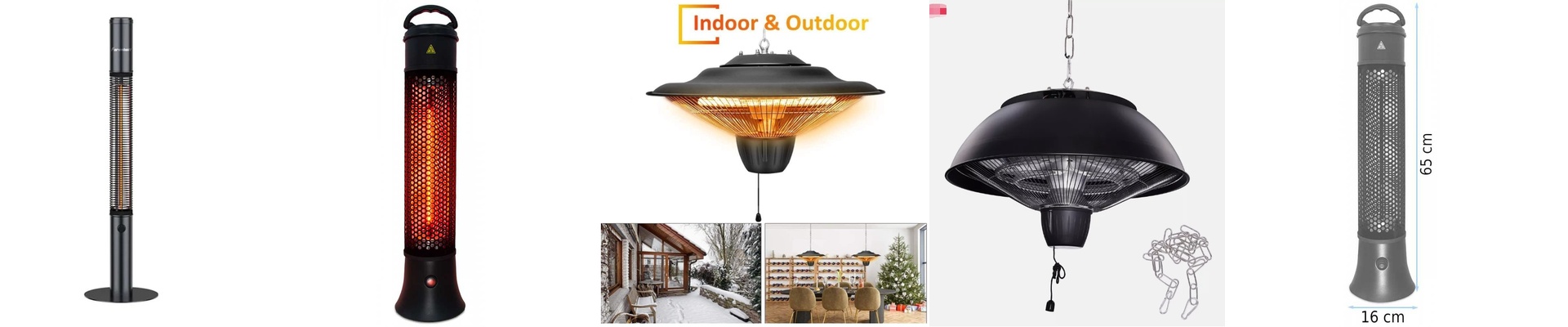
Ever noticed how those old-school “lamp heaters” always seem to die right when you actually need them? It’s usually because they aren’t built for the one place they live: a room full of steam. Most of them have gaps in the casing that let moisture sneak in, which is a recipe for a short circuit. That’s why we’ve been moving toward IP65-rated infrared heaters. What does IP65 actually mean for you? Basically, it means the unit is sealed tight. Dust can’t get in, and water splashes—even from a weird angle—won’t penetrate the housing. We use reinforced cable entries and heavy-duty gaskets to keep the electrical bits bone-dry. It stops that annoying “burn out” that happens to cheap heaters after one tough winter. You just install it and forget about it. The magic of Infrared Here is the best part: the heat feels different. Traditional heaters try to warm up all the air in the room. It takes forever, and the second you open the door, all that warmth escapes. Infrared is different. It doesn’t bother with the air; it goes straight for your skin and the tiles. You flip the switch, and you feel itinstantly. No waiting around shivering in a towel. A quick heads-up on the electrics Now, there is one thing to watch out for. These units pack a punch, and that means they pull a fair amount of power. If you’re trying to wire one of these into an ancient 10A circuit, you’re probably going to trip your breaker. Before you start drilling holes, just double-check that your wiring can handle the load. It’s a five-minute check that saves you a massive headache later. Fitting it in If you’re replacing an old ceiling unit, these usually slide right in. They’re compact, which is great for tight spaces, just make sure there’s enough breathing room so you aren’t scorching your ceiling material. And please, do yourself a favor: use a dedicated GFCI outlet. When you’re mixing water and electricity, it’s the only way to go.