Getting More Out of Your Bakery Line with Circular Radiant Heating
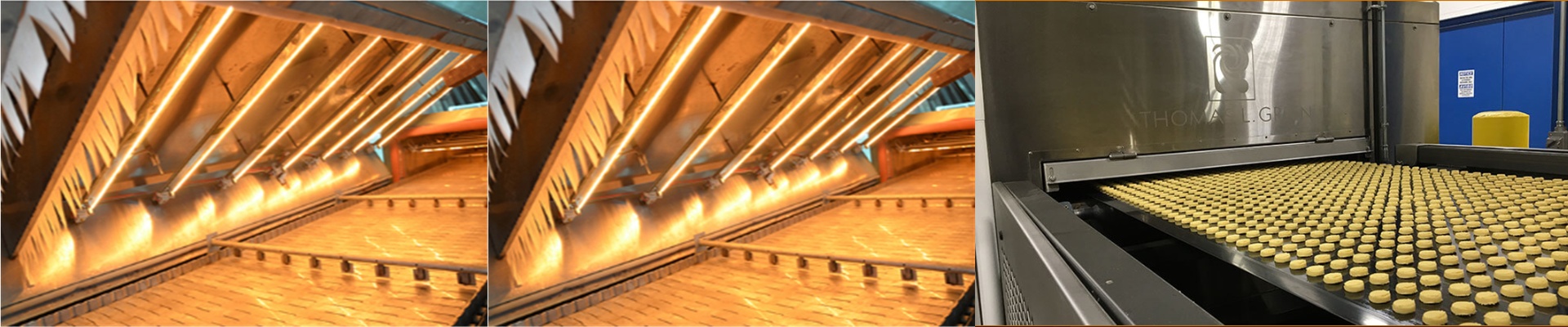
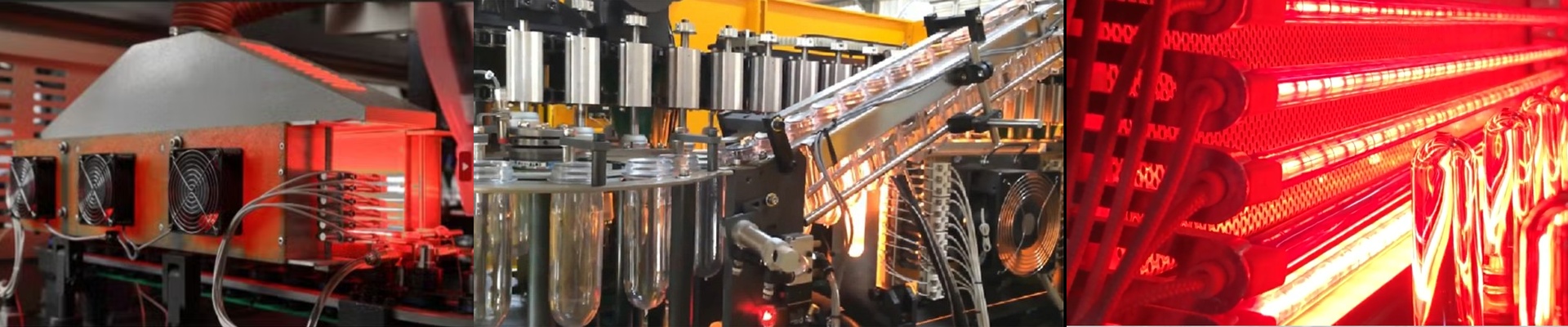
If you want to push more product through your line every minute, you’ve got to tackle the bottleneck: the time it takes for the surface to brown and the crust to set. Most folks rely on convection ovens, but moving air is just slow. It takes forever to get the job done. That’s why we use circular shortwave infrared (IR) heaters. Instead of waiting for the air to warm up, these hit the surface of the product directly. It’s immediate. The power behind the heat Shortwave IR lamps are all about energy density. We pick tubes with higher wattage relative to their length so the heat hits exactly where the dough enters the zone. The best part? You can speed up your conveyor belt without worrying about the center of your product staying raw. Plus, we use high-voltage setups to keep the current draw low per lamp. This means you can pack more heating elements into a long tunnel without blowing a fuse or overloading your electrical panel. Built to take a beating We use high-purity quartz glass for these heaters. Why? Because standard glass cracks when you cycle the heat on and off rapidly. Quartz just handles it. Depending on what you’re baking, we can go with clear quartz for deep penetration or coated quartz to tweak the wavelength. The coated version is great because it reflects heat back toward the bread and keeps the lamp from burning itself out. And since things happen in a busy kitchen, we use standard R7s or Sk15 connectors. If a tube pops during a shift, you can just swap it out and keep moving. The trade-off Adding these high-wattage heaters definitely bumps up your parts-per-minute. You get that perfect, fast “snap” on the crust that customers love. But here’s the thing: that kind of intensity creates a ton of heat inside the oven chassis. If you’re packing these lamps in tight to maximize your output, you’ve got to make sure your exhaust hoods and cooling fans can keep up. If the ambient temperature gets too high, you’ll start tripping thermal cut-offs, and that’s the last thing you want in the middle of a rush.