Keeping Your Oven Temp Steady with Linear Quartz Tubes
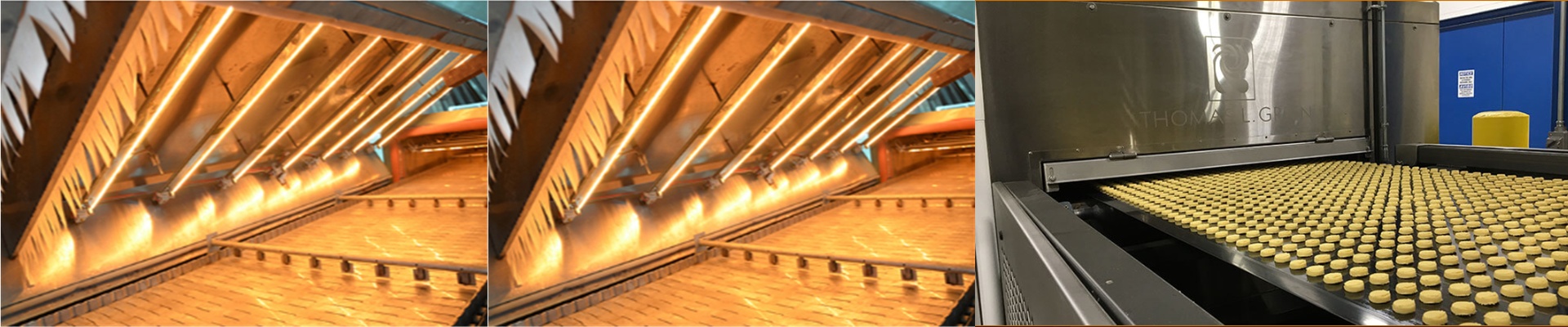
If you’ve spent any time in a professional bakery, you know the struggle. You open the oven door to slide in a fresh batch of cold trays, and boom—your internal temperature tanks. It’s a constant fight against the air in the room, and those dips can easily mess up your bake. To fix this, we use linear quartz heating tubes paired with infrared (IR) control. It’s basically a way to stop those temperature swings before they ruin your product.
How the IR Compensation Actually Works
Here’s the thing about standard thermostats: they’re slow. They lag. By the time a sensor realizes the oven has cooled down, your bread is already under-baked. We do things differently. We use IR sensors that keep an eye on the surface of the food or the oven walls in real-time. It works like a quick conversation between the sensor and the heater. The second the sensor feels a dip, the controller kicks more voltage into the quartz tubes. This happens in milliseconds. It’s so fast that the heat stays steady, even if you’re opening and closing the doors all morning.
The Reality of Using Quartz Tubes
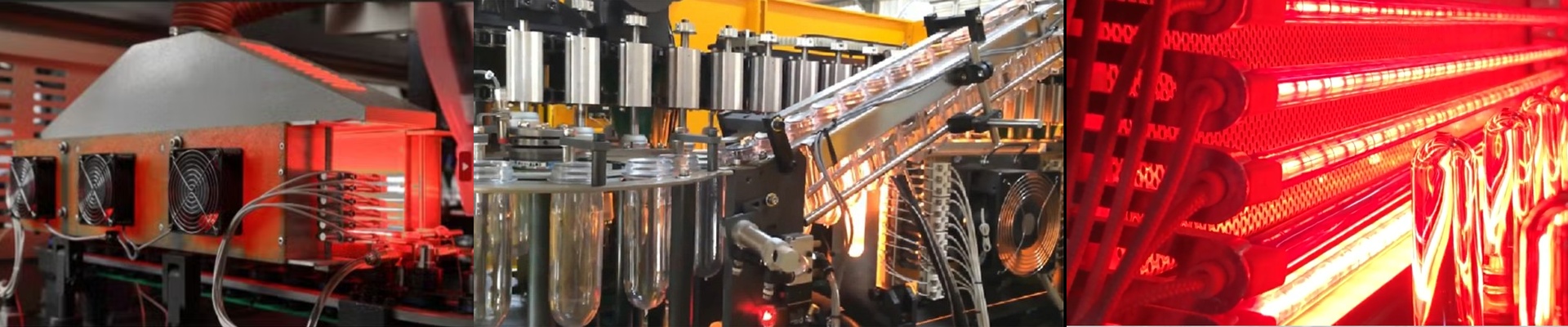
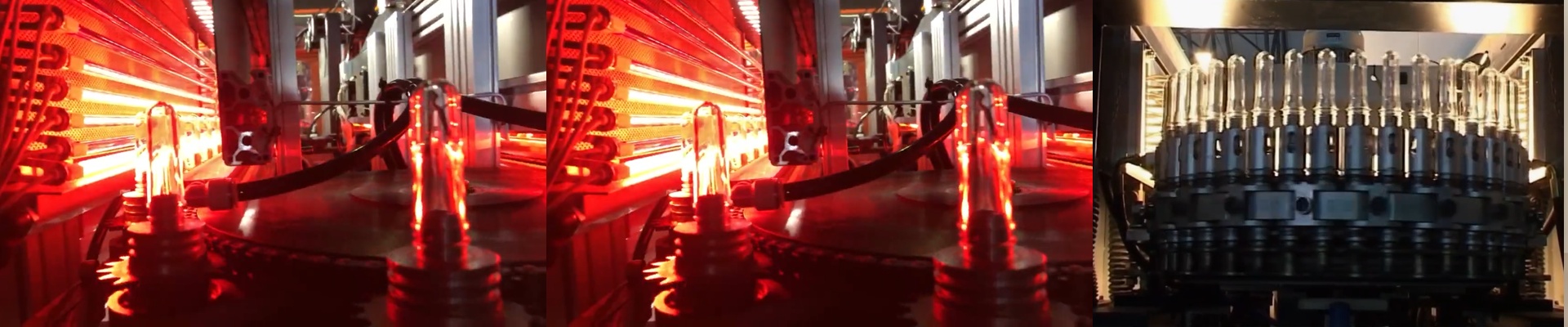
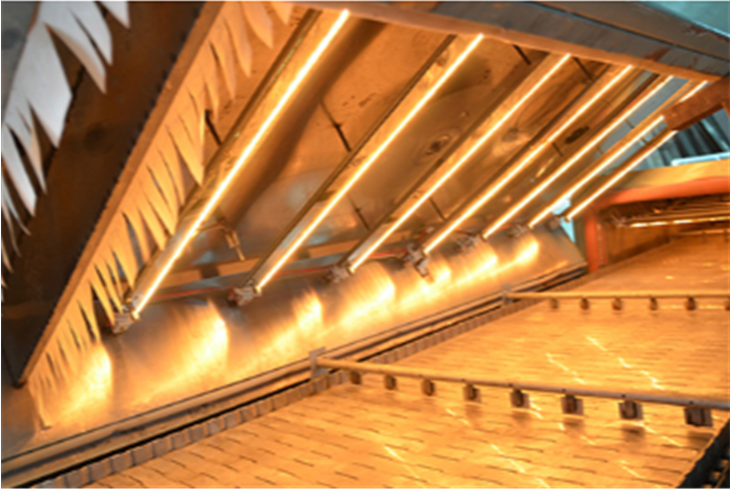
Quartz tubes are great because they hit their operating temperature almost instantly. They don’t need to “warm up” like old-school elements. This makes them perfect for the rapid pulsing needed to keep your temperature window tight. But you have to be careful with how you install them. Quartz is brittle. If your oven frame expands or shrinks too much as it heats up and cools down, those tubes can crack. To stop that from happening, we use flexible mounting brackets. It gives the tubes a bit of room to breathe so they don’t snap under pressure.
Getting the Control Right
If you want real precision, the lamp alone isn’t enough. You need a power supply that can switch fast. We usually pair these tubes with SCR (Silicon Controlled Rectifier) power controllers. Instead of a clunky on/off switch—which often leads to “overshooting” the temperature—this setup lets us dial in the power exactly. One last tip: don’t skimp on the venting. Even though the tubes are efficient, heat can build up around the electrical connectors. If the airflow isn’t right, those connectors will burn out, and then you’re looking at some annoying downtime.