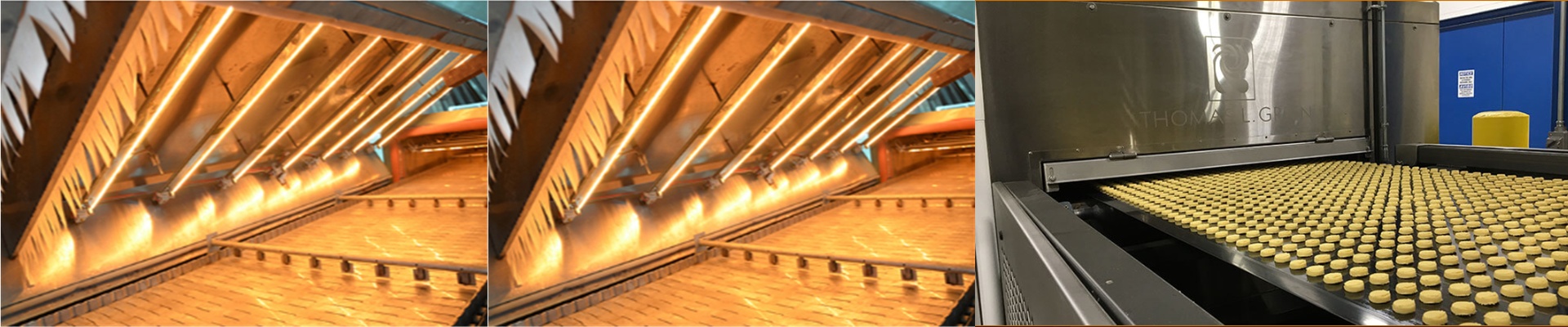
Fast-Response IR Emitters: Precision Heat for the Automated Convection Oven
Automated kitchens run on rhythm. And in a convection oven, that rhythm means speed you can count on, over and over. That’s exactly why we built this fast-response IR emitter. It’s all about hitting your target temperature fast, then holding it steady—cycle after cycle, without drifting. No fuss. Just quick heat, and control you can trust.
Power, Voltage, and Size: The Details That Matter
This emitter was designed around one idea: serious, high-density heat—without getting complicated. It runs on a 400V supply, which keeps power delivery stable across standard industrial voltages and eases the load on your control wiring. The tube is 300mm long, so the heat zone stays focused. That gives you a compact footprint that lines up cleanly with standard oven channels. And at 2500W, it has the punch to beat cold-start inertia. In other words, preheat time drops, and your conveyor keeps moving.
What’s Inside: Halogen, Coating, and Connections That Hold Up
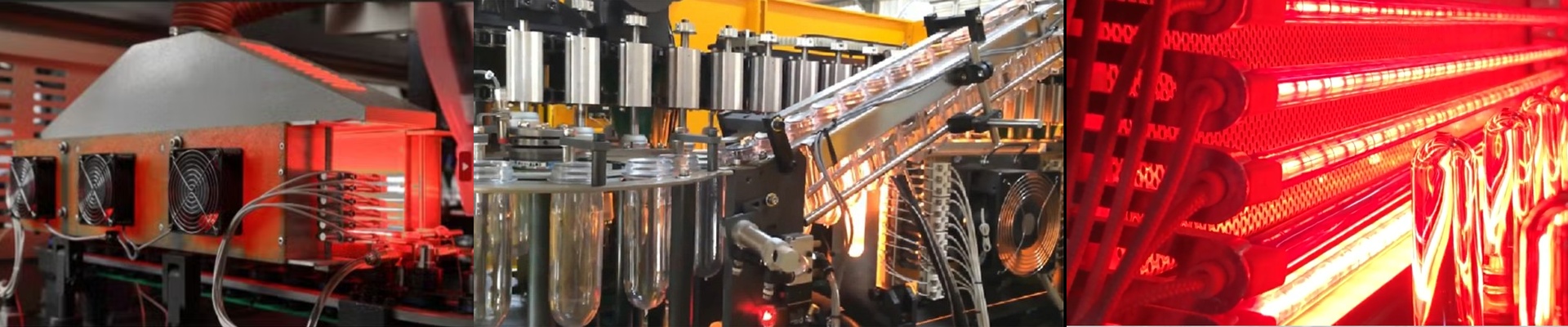
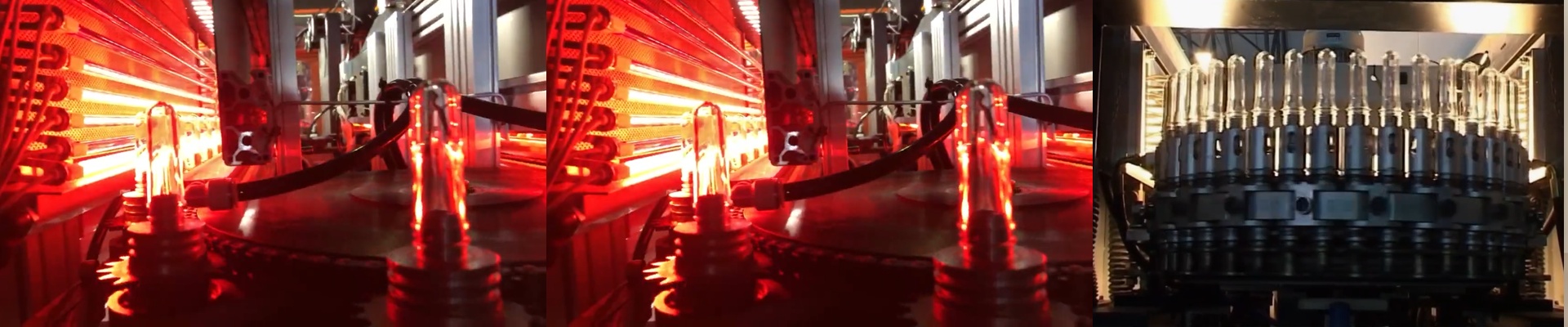
Inside the quartz envelope, a halogen element delivers infrared heat that jumps to life fast—and behaves predictably. That predictability makes control from your PLC clean and straightforward. We added a specialized reflective coating on the tube to push energy forward, so you get tighter directional heating and less wasted heat drifting onto nearby parts. For the lamp itself, the R7s connector is rugged and proven. It handles the thermal cycling of the tube and makes replacement a simple, drop-in job. And for control wiring, the SK15 termination gives you solid connections that resist vibration and survive the heat of the oven day after day.
How It Works in the Real World: Precision, Flexibility, and Reliability
In an automated convection oven, the emitter has to play as part of a team. So we pair the fast-response lamp with a control loop that can adjust on the fly, giving you high-precision temperature control. We also make it easy to tailor the setup—timing, intensity, and zone mapping—so it fits your oven’s recipe logic. Now, here’s the honest part: with 2500W of heat density, the surrounding components need proper cooling. But when you run it within those thermal limits, you get repeatable heating with minimal warm-up delay—just the kind of reliability that keeps production moving.