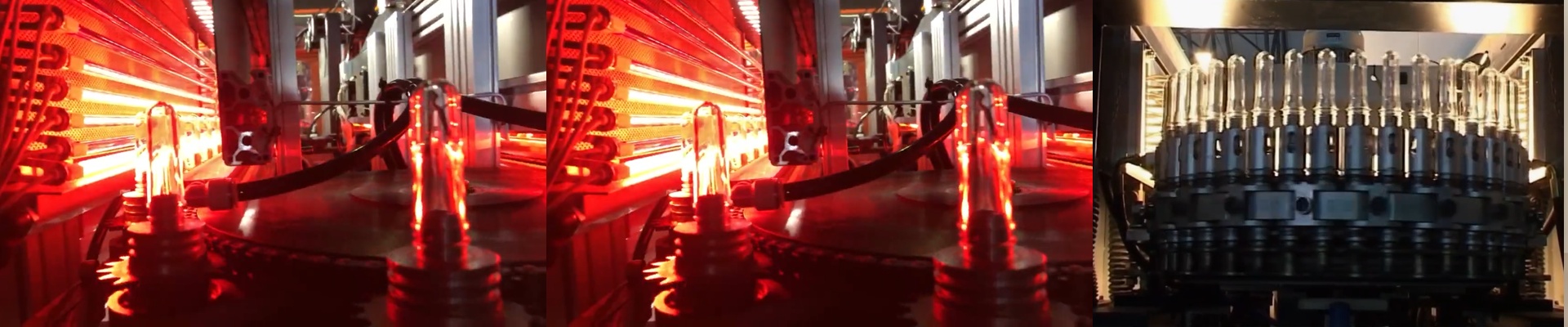
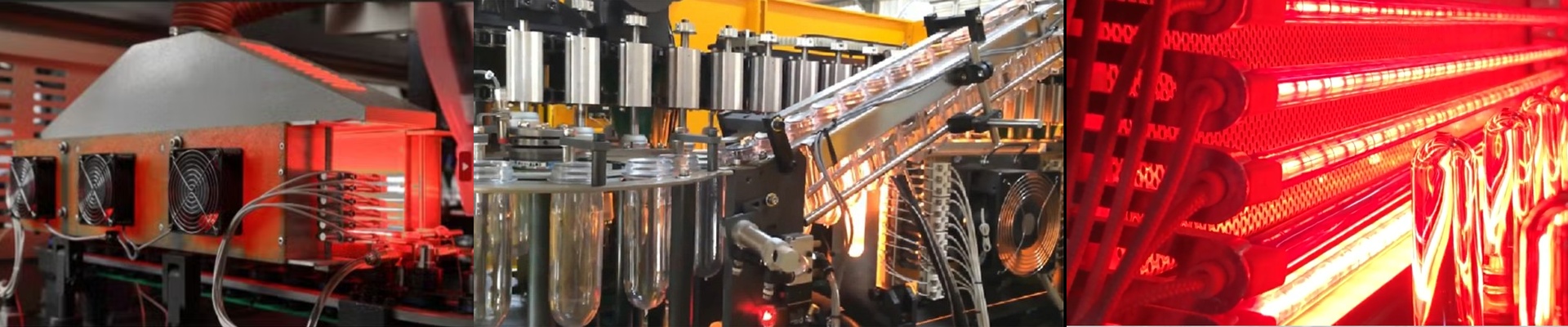
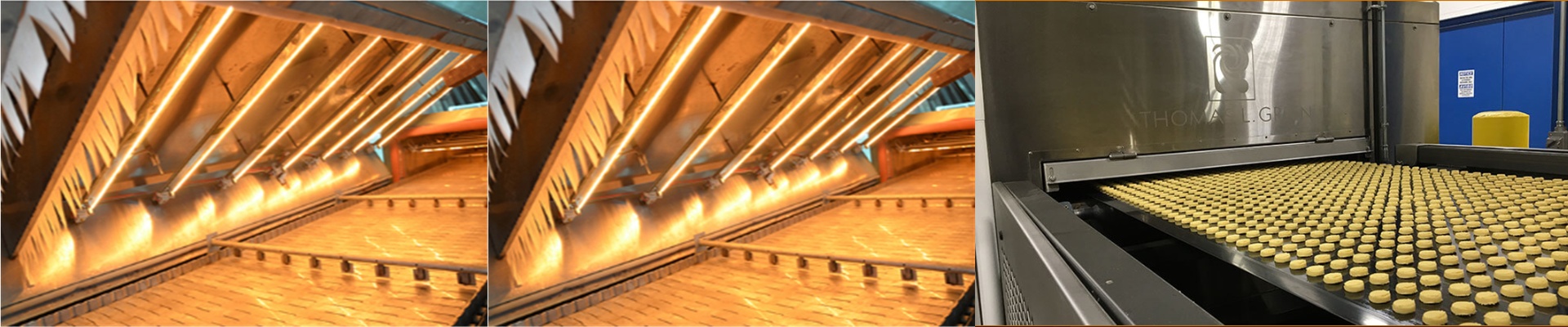
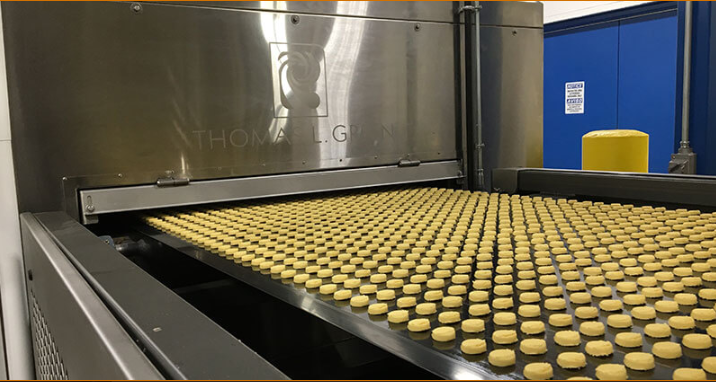
When the dinner rush hits, your deck oven can’t afford a slow burn. Preheat times drag, hot spots chew up your crust, and the energy meter climbs. We built our infrared setup to handle that pressure—engineered heat for service, not show. What matters, technically We pair quartz or short-wave IR elements with tight thermal control for fast, directional heat. In practice, that means full recovery in minutes, not tens of minutes. The output is tuned for deck ovens, rotary ovens, and convection cells, so you get predictable temperature profiles across the baking chamber. Power is matched to your electrical plan—240 V standard up to 480 V high-demand—and the elements are rated for repeated thermal cycling. Why it works where it counts On a pizza line, the stone hearth needs to snap back to temp the second a pie leaves. IR holds the surface steady, so the next crust gets the right blister and caramelization without scorching. Bakeries running deck ovens see more even color across the trays and fewer underbaked centers. The payoff is measurable: shorter bake windows, faster turn-and-serve, and energy use that drops because the heat stays where it matters. Here is the thing with IR It’s intense and directional, so placement and spacing are critical. Match the element to your oven’s cavity size and airflow, or a hot zone will overwhelm the surrounding area. Expect a clean wiring plan and proper insulation at the mounting points. Installed right, the system is straightforward to service, and the elements run long hours with stable output. If your kitchen already runs on gas or conventional electric, plan on a short transition and a small rework of your bake schedule. The effort pays off in control.