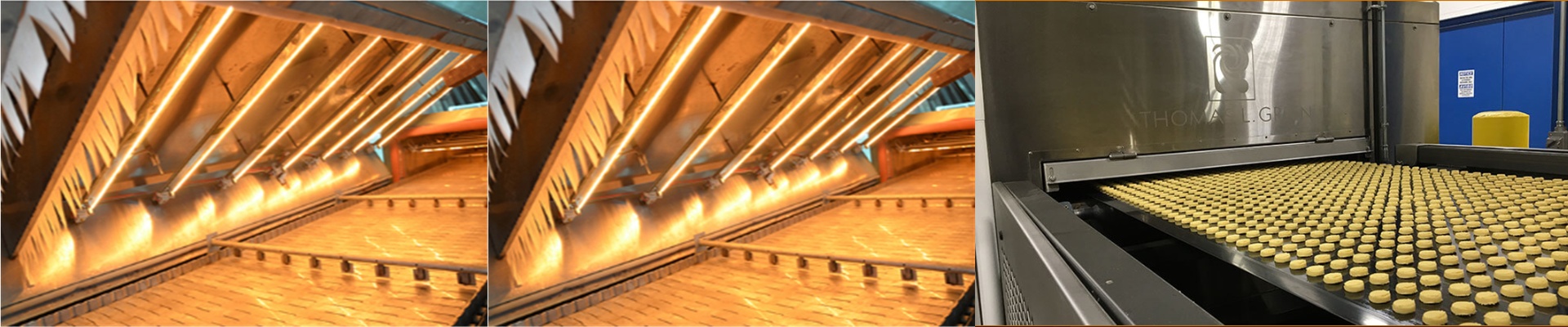
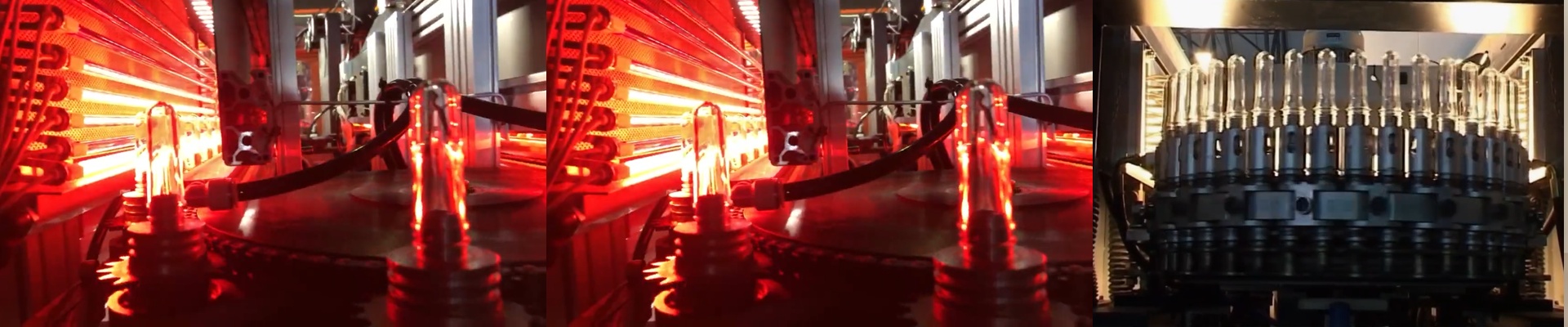
When the halogen heating element in your deck or rotary oven starts to fade, the baking chamber loses its bite. Temperatures drift, the heat spread thins out, and that crust you rely on—crisp outside, tender inside—starts to miss the mark. That downtime costs you, plain and simple.
What really matters under the hood
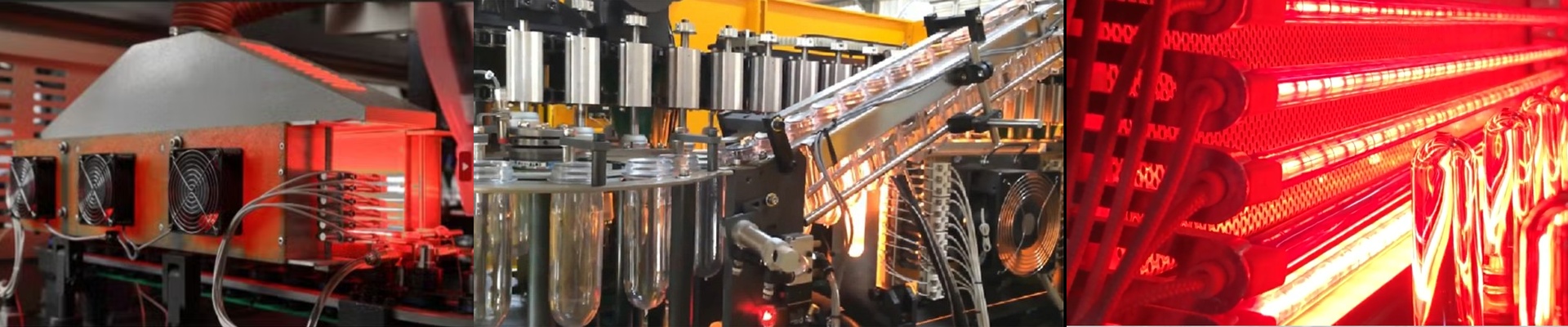
We build our replacement halogen bulbs for the grind of commercial ovens: quartz envelope, filament layout that stays stable. They come up to temperature fast—under 12 seconds—then hold steady with ±3°C control across the baking chamber. In a 12-inch deck oven, that means a radiant field that keeps the stone hearth within 2°C of setpoint, while the top heat stays within 4°C. The payoff is even caramelization across every pie, without scorched edges or a raw center. You’ve got options to match your setup: 240V or 208V, 500W to 2000W, and standard G9 or screw-base connectors, sized to drop into common oven sockets.
Why this matters on a busy line
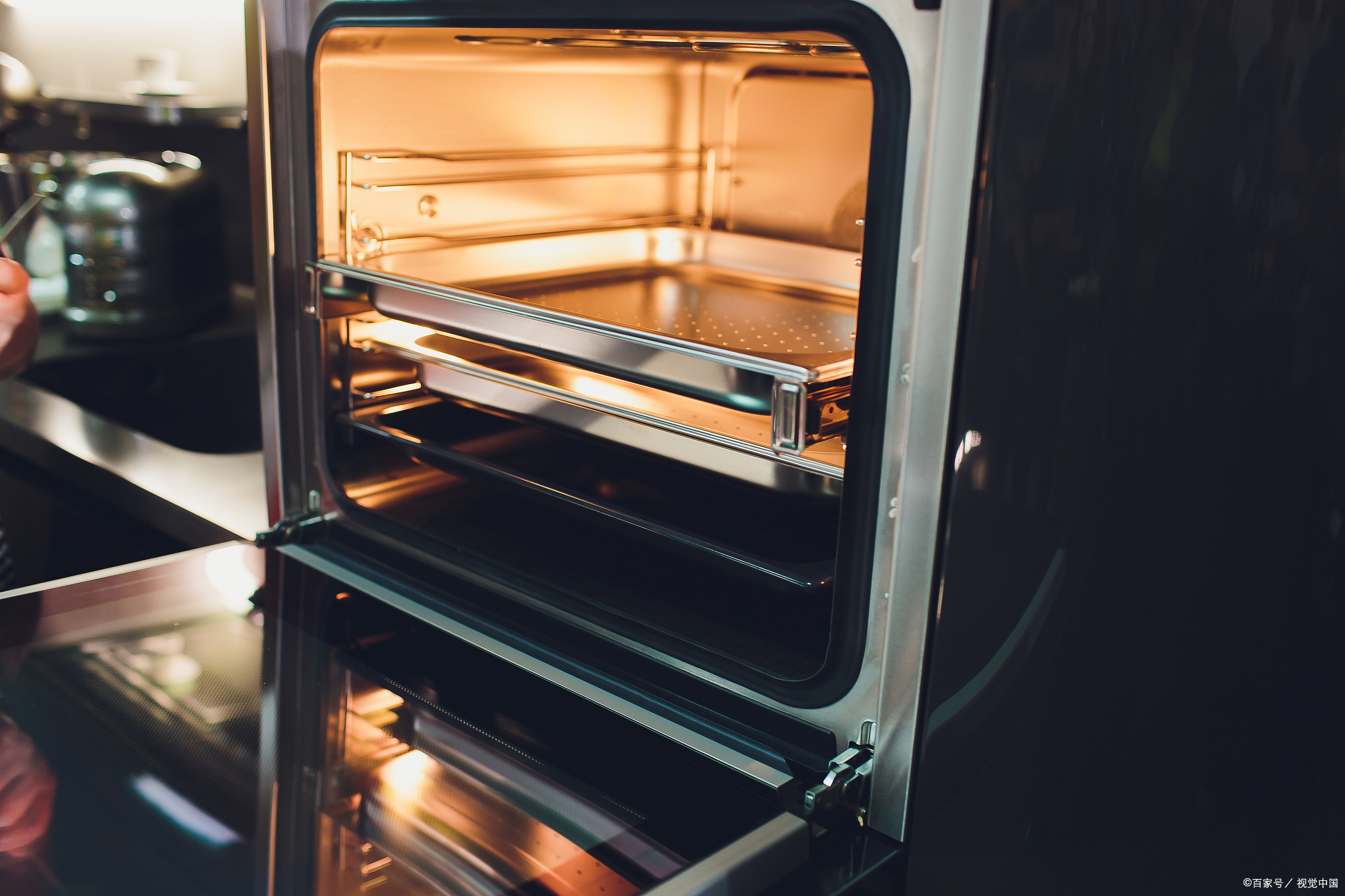
In a packed service, recovery time is the difference between keeping pace and getting bottlenecked. Halogen elements snap back to setpoint fast after the door opens, so your deck oven returns to bake temperature in seconds, not minutes. That keeps crust lift consistent and cheese melt even, even in the middle of a rush. You’ll see it on the utility bill, too. Shorter heat-up and quicker recovery mean fewer kW per hour, and the bulb’s long service life cuts down on downtime and service calls.
The install notes you’ll thank yourself for later
Install is straightforward, but oven sockets and wiring aren’t universal. Confirm voltage, wattage, and connector type before you swap, and match the bulb to the oven’s rated socket. Halogen bulbs run hot. Keep clearances clear, and don’t touch the quartz surface—use gloves or a clean cloth during install. For convection or rotary ovens with heavy airflow, check mounting orientation so the element stays aligned with the heat path.