Making Pizza Greener (and Faster) with Infrared
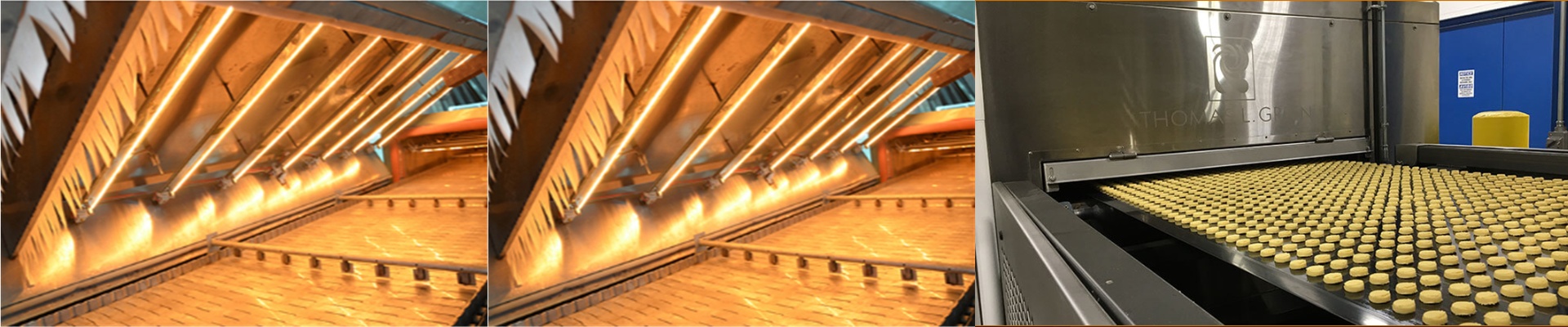
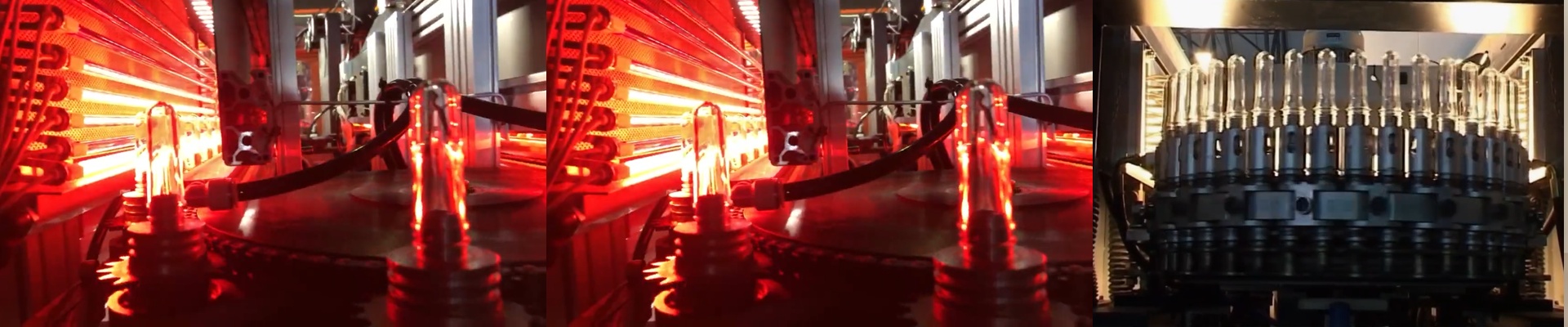
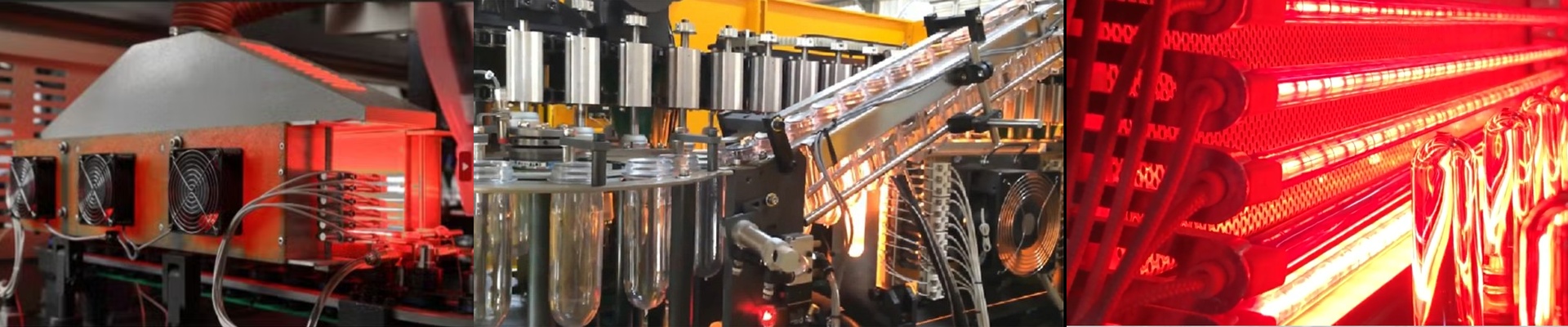
Most professional pizza ovens have always relied on gas-fired decks. But things are changing. We’re seeing a big move toward shortwave infrared (SWIR) systems, and for a good reason. We design heating bulbs that don’t bother heating up all the air in the room. Instead, they go straight for the food. It’s the simplest way to build a “green kitchen” without sacrificing the crust. The science of it is actually pretty cool. Think about a traditional oven. You’re heating a massive volume of air, and a lot of that energy just leaks out of the chassis. It’s a waste. Our infrared bulbs work differently. They turn electricity into radiant heat. Those photons move at the speed of light and soak right into the dough and toppings. The best part? You aren’t waiting hours for the oven to get up to temp. We’re talking minutes. You get way more heat in a much smaller space. What’s actually inside the bulb? We use high-purity quartz glass and fill it with halogen gas. Here’s why that matters: the halogen keeps the tungsten from evaporating and clouding the glass. That means the light stays clear and the heat stays strong for a long time. One quick tip: these usually use R7s or similar snap-in connectors. Make sure they’re clicked in tight. If the connection is loose, it’ll arc and burn out your socket. Not a fun way to start a shift. Finding the sweet spot Switching to infrared is a win for the planet. You stop throwing kilowatts at the oven walls and lower your carbon footprint. But, you have to be careful. Shortwave radiation is powerful—almost aggressive. If you put a bulb with too much wattage in a shallow oven, you’ll scorch the top of your pizza before the bottom even thinks about cooking. It’s all about the balance between the wattage and how far the bulb sits from the pie. The great thing is that these lamps are just drop-in replacements. You can take an old oven and get those professional, blistering temperatures without the heavy carbon load of the old heating elements.