
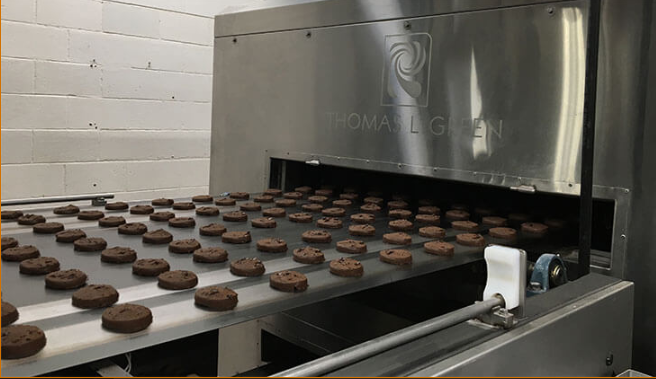
Getting the Perfect Crust: Why We Use Nichrome IR Heaters
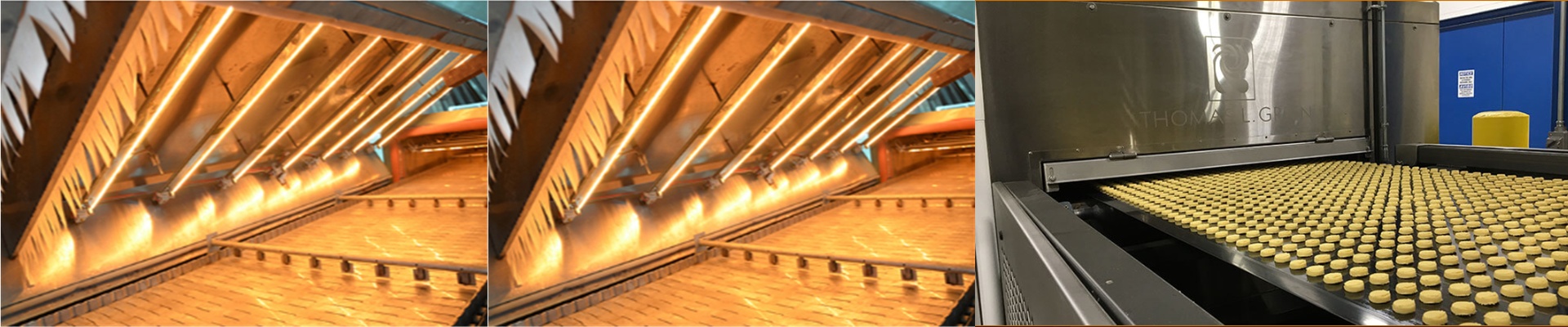
Anyone who’s spent time baking knows that bread is temperamental. You’re chasing a very specific window of temperature. If you’re off by even a degree, you might end up with a loaf that’s pale in some spots, burnt in others, or worse—a crumb that just collapses. To fix that, we use Nichrome-based infrared (IR) heaters. They’re fast. Really fast. And that speed is exactly what you need when you’re trying to keep a PID controller dialed in. The secret is in the metal. We use Nichrome (a nickel-chromium alloy) because it’s tough. It forms this protective oxide layer that keeps the wire from just burning out when the oven cycles on and off all day. When you put that wire inside a quartz lamp, it shoots out energy in the short-to-medium wave spectrum. Instead of waiting for the air to heat up and swirl around—which takes forever—this energy hits the dough almost instantly. It’s direct. It’s immediate. Finding the sweet spot When we’re picking out these heaters, it comes down to the wattage-to-length ratio. Basically, how much heat are we packing into the tube? High-wattage tubes get the oven up to temp quickly, but they’re harder on the quartz. If you push them too hard without enough airflow, the ends of the lamp can overheat and pop. We spend a lot of time balancing the voltage so the filament glows exactly how it should without cutting the lamp’s life short. A few things to watch out for These are designed to slide right into industrial oven arrays, but you can’t just “plug and play” without a plan. You need rock-solid voltage regulation. One bad power spike and your filament is gone. Also, because IR heating is so intense, it creates a serious heat zone. You’ve got to make sure your internal shielding is up to the task, otherwise, you’ll start seeing your chassis warp. But when it’s set up right? It’s magic. The oven reacts to a temperature drop in milliseconds. Your surface temp stays dead-on, and your bread hits that perfect Maillard reaction every single time. That’s how you get that consistent, golden-brown finish.