
Getting the Crust Right: Why Clear Quartz Matters in Your Deck Oven
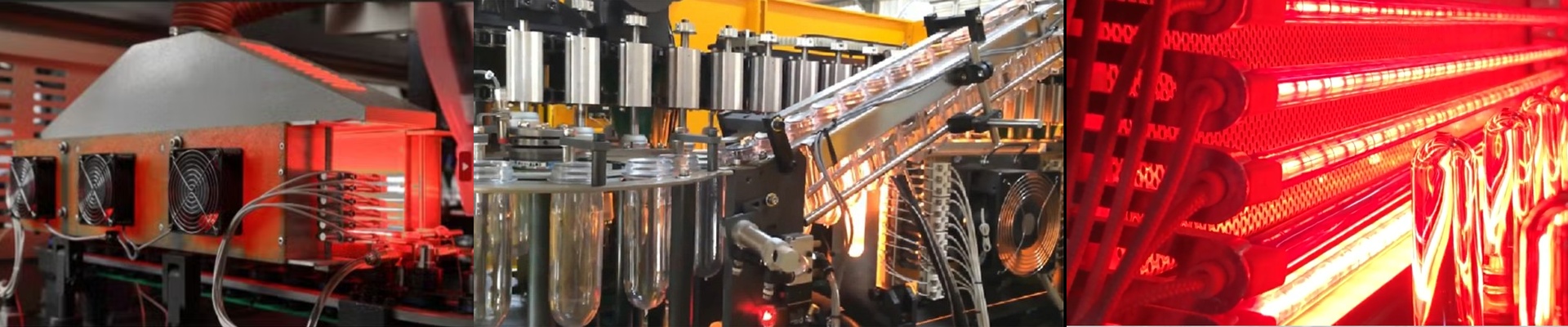
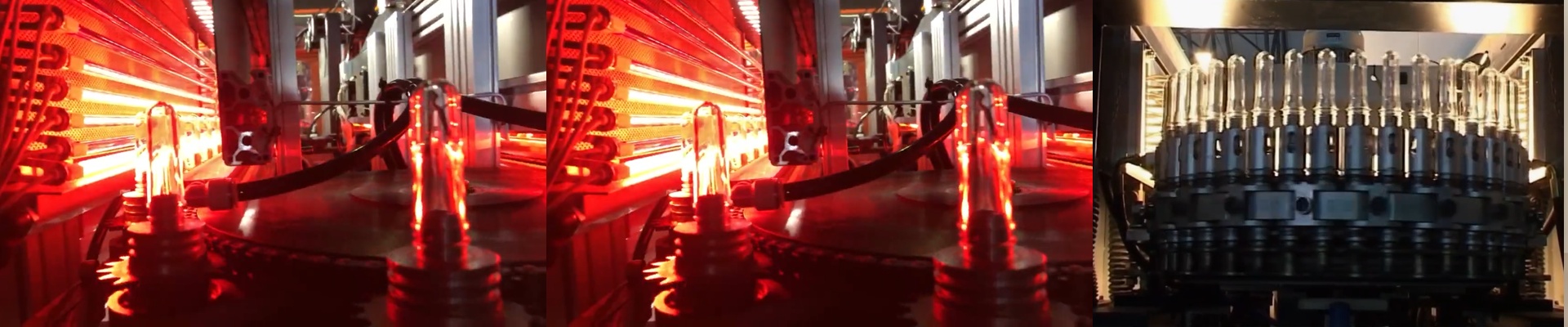
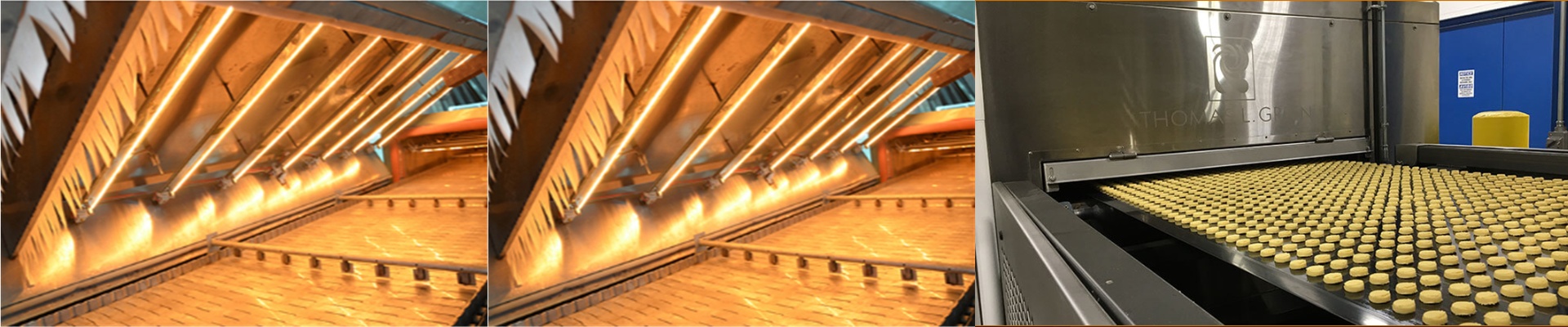
If you’ve ever wondered how the pros get that perfect, shattered-glass crust on a loaf, it’s not just about the stone deck. Sure, the deck handles the bottom, but the real magic happens from the top. That’s where clear quartz infrared bulbs come in. Think of it this way: most heaters just warm up the air, and then the air warms the bread. It’s a slow process. But infrared? It’s different. It’s like stepping into the sun on a cold day. The heat doesn’t wait around for the air to warm up—it hits the dough instantly. For those of us working with high-hydration doughs, that speed is everything. Now, you might wonder why we useclear quartzspecifically. It’s all about how the heat moves. Clear quartz lets the energy fly straight through the glass without soaking into the tube itself. If the tube absorbed all that heat, it would just burn itself out. This keeps the bulbs lasting longer, even when you’re pushing high wattage. Setting these up is usually pretty straightforward. Most industrial ovens have them wired into a PID controller, which basically lets the baker “pulse” the heat to get the color exactly right. But here is the catch—and it’s a big one. Clear quartz is incredibly finicky about oils. If your team touches the glass with greasy fingers during installation, you’re asking for trouble. That tiny fingerprint creates a hot spot, and before you know it, the tube cracks.**Always**wipe them down with some isopropyl alcohol before you flip the switch. Trust me on this. The best part? These are usually just drop-in replacements. They slide into standard sockets and work with your existing wiring. You don’t have to waste an hour preheating the top zone; they hit temperature in seconds. Just keep an eye on your reflectors. If the polished aluminum behind the bulb gets dull or covered in flour dust, your heat density drops. You’ll start seeing those annoying uneven brown spots across your deck. Keep them clean, and your crusts will stay consistent.