
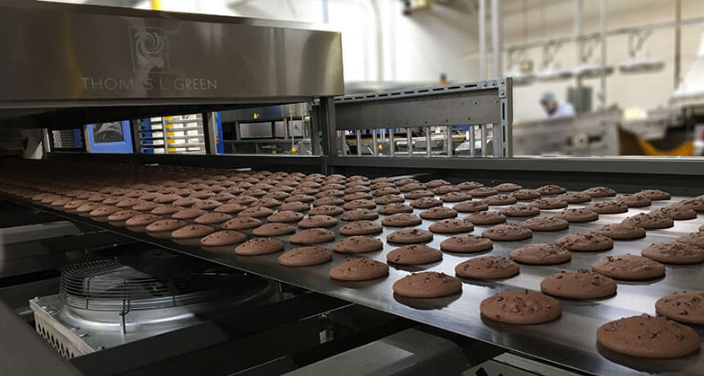
Why You Should Swap Your Oven’s Heating Wires for Infrared
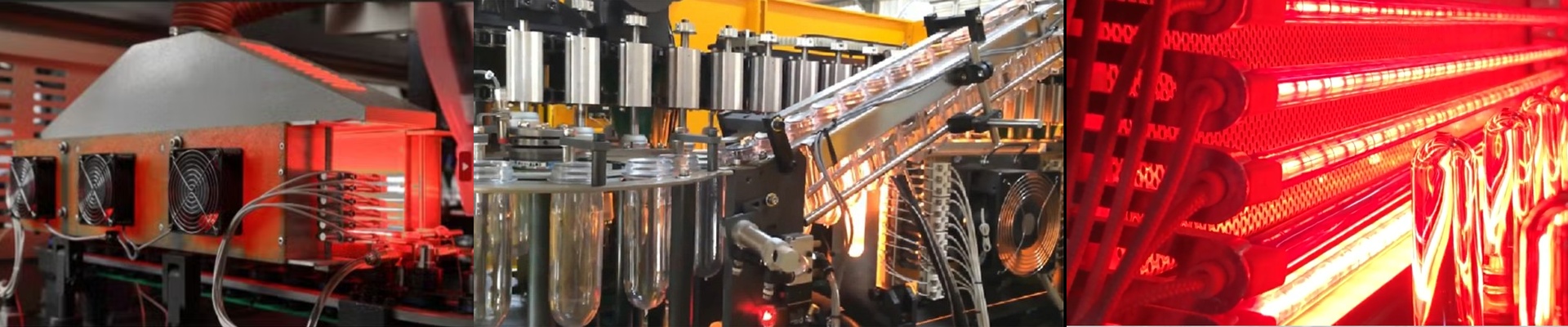
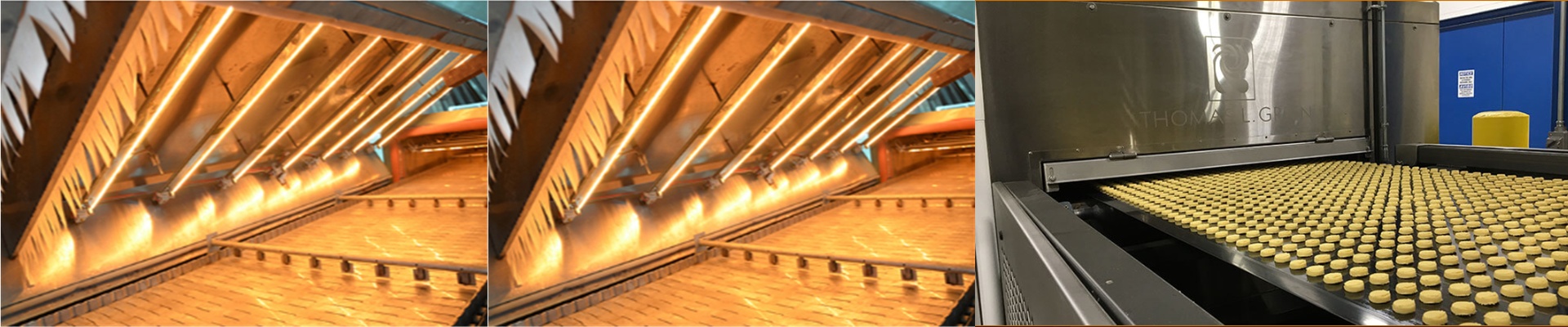
Most commercial bread ovens work the same way: they use those standard resistive wires to heat up the air, and then that air eventually heats up your dough. It’s a slow process. A lot of that heat just vanishes into thin air or soaks into the oven walls before it ever touches your bread. We do things differently with our infrared (IR) replacement elements. Instead of wasting time heating the atmosphere, IR sends heat straight to the dough. It’s a different kind of heat. Think of it like the sun. You don’t need the air around you to be 100 degrees to feel the warmth on your skin; the radiation just hits you. That’s how these elements work. Your crust forms faster, the center cooks through quickly, and you aren’t sitting around waiting for the oven to “saturate.” Your bake cycles get shorter. Period. Getting the fit right If you’re looking to swap these out, we just need to make sure the wattage and voltage match what you’ve already got. You don’t want to blow a fuse or end up with a tube that barely glows. We use quartz glass to protect the tungsten filament inside. It allows the element to get much hotter than those old-school coils. Most of the time, these drop right into your existing oven footprint. But here is a pro tip: IR heat is directional. It travels in a straight line. If you stack your trays too close together, the heat won’t reach the bottom layers. You’ll just need to tweak your rack spacing a bit to make sure every loaf browns evenly. The cost and the catch The best part? Your power bill. Since you aren’t spending forever pre-heating and your bakes are faster, you’ll actually see fewer kilowatt-hours on your monthly statement. It adds up. Now, there is one thing to keep in mind. Quartz is fragile. It doesn’t take a beating the way a heavy steel coil does. If a staff member accidentally bangs a metal tray against the element, it’s going to crack. To stop that from happening, we suggest putting in some protective guards. It’s a small addition, but it saves you from the headache of unexpected downtime.