Stop Waiting on Your Oven to Warm Up
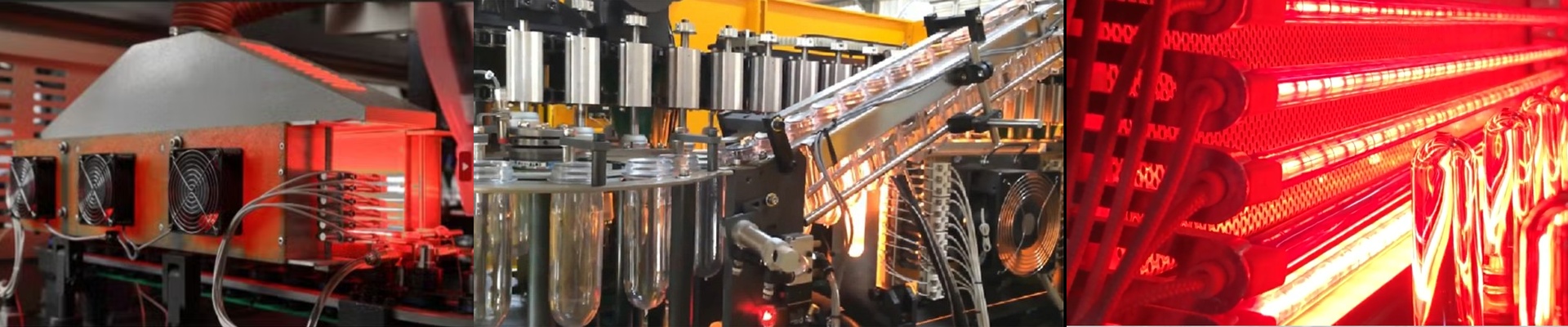
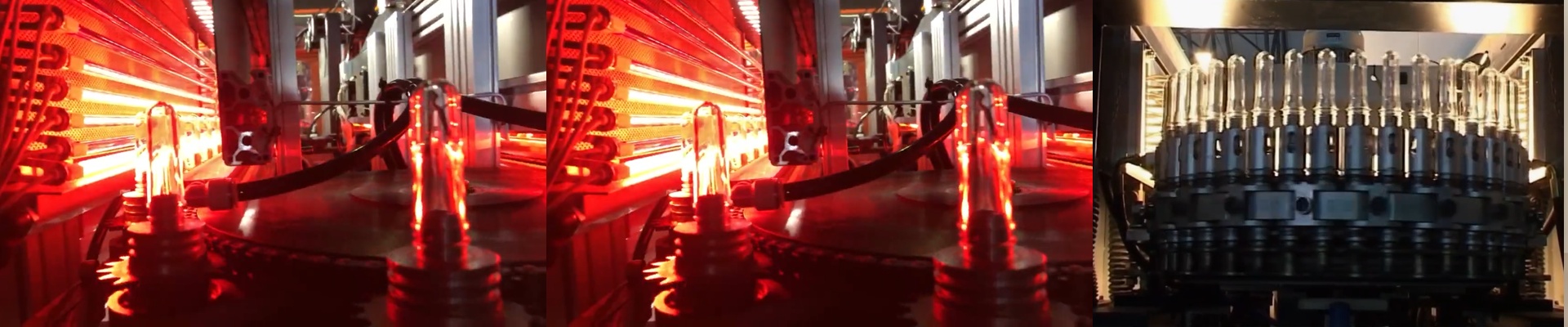
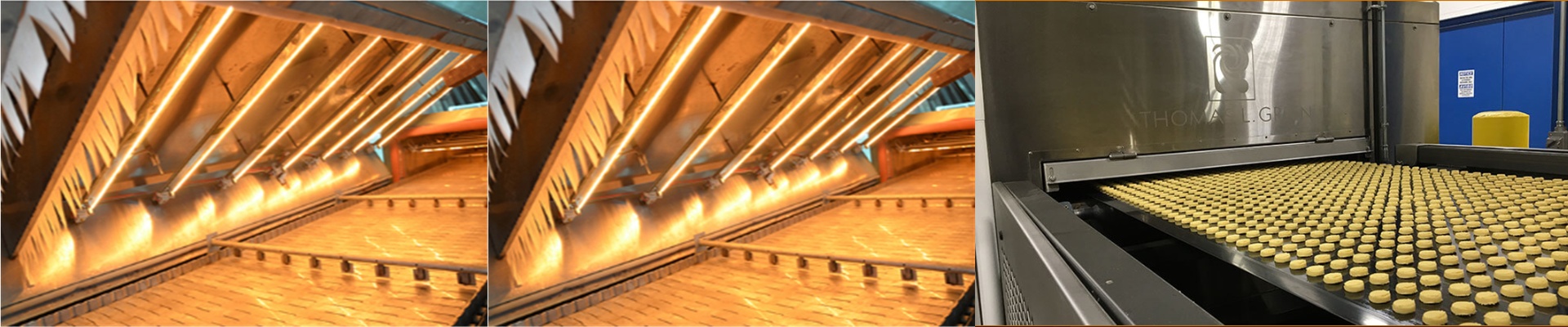
There is nothing more frustrating than standing around a commercial oven, waiting for it to finally hit the right temperature while your production schedule falls apart. When the preheat takes forever, everything else slows down. It’s a bottleneck that kills your momentum. That’s why we use infrared (IR) auxiliary heating elements. They basically cut through the sluggishness you get with old-school convection or resistive coils. How it actually works Most heaters just warm up the air and hope for the best. IR lamps are different. They send out electromagnetic radiation that hits the oven walls and your dough directly. It’s an instant transfer of energy. We design these for high power density, which is just a fancy way of saying they kick in hard and fast. They’re perfect for spiking the temperature right at the start or getting the heat back up quickly between batches. The nuts and bolts We build these using tungsten filaments and high-purity quartz glass. Why quartz? Because it lets that short-wave radiation pass right through. Instead of the heat getting trapped inside the lamp, it goes exactly where it belongs: into your bread. We can tweak the wattage and voltage to fit your specific setup. If you’re running a big industrial line, a 400V setup is usually the way to go—it lets you use longer tubes without losing power at the end. And since we use standard R7s or Sk15 connectors, you can just swap them in. You won’t have to tear apart your control panel or spend a whole day rewiring everything. A few things to keep in mind Adding IR heat makes your life easier. You get a faster ramp-up and that perfect, consistent golden-brown crust. But here is the catch: IR heat is aggressive. If you put a high-wattage tube in a tight space, you have to make sure your sensors are dialed in. Otherwise, you risk scorching the surface of your bread before the middle is even done. Just remember, these aren’t meant to run for the entire bake. They are for the “boost” phase—getting the oven hot and keeping it there. Once you hit your set point, let a PID controller kill the power. Use them as a tool to get moving, not as your primary heat source.