Stop Drying Out Your Bread
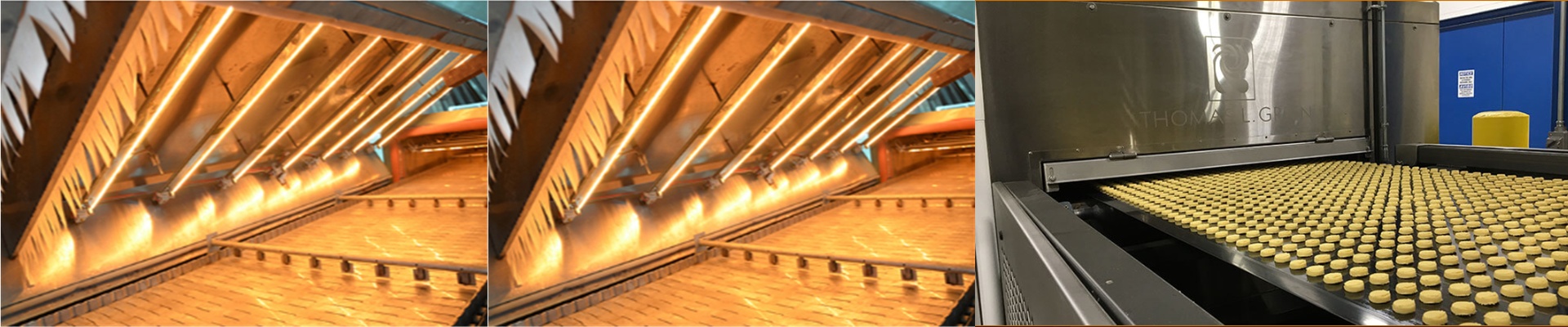
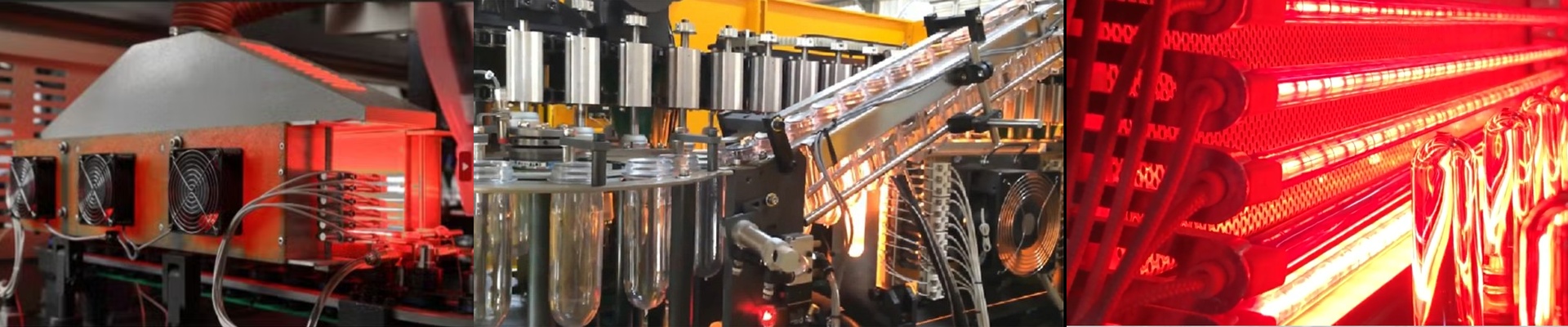
Ever notice how some bakery ovens just… ruin the crust? You end up with a surface that’s bone-dry and scorched before the middle is even cooked. It’s a frustrating cycle. We decided to fix that by ditching the old-school convection approach. Instead of blasting your product with hot air, we use infrared (IR) emitters. Think of it like the sun on your skin. The heat doesn’t drift through the air to find you; it hits you directly. By tweaking the wavelength and intensity, you can actually lock the moisture inside the dough where it belongs. Speed matters. Our emitters are built for high wattage in a small footprint. Why? Because we want them to react now. When your PLC signals a temperature drop, the IR lamp jumps into action almost instantly. You aren’t sitting around waiting for a giant volume of air to heat up. You’re hitting the food directly. No more prolonged exposure to hot air, which means no more dried-out loaves. The science of the crust We use high-purity quartz for the envelopes so the heat gets through without any interference. But here’s the cool part: we can tune these. If you need the heat to sink deeper into the dough, we go with shortwave. If you’re all about that perfect, golden-brown crust, medium-wave is the way to go. Just a heads-up: quartz is a bit temperamental. It handles the heat like a pro, but it hates being bumped or shaken. Make sure your mounting brackets are lined up perfectly. If they’re too tight, the quartz can crack as it expands and contracts. Setting it up We made these as drop-in replacements. The connectors are standard, so you won’t need a degree in electrical engineering to get them wired up. One piece of advice, though: don’t try to “cheat” the system. It’s tempting to over-drive the lamp to get a faster brown on your crust, but that’s a great way to burn out your filament. Match your voltage regulators to the lamp’s wattage and keep your PID loops tight. Keep the energy flow steady, and your equipment will actually last.