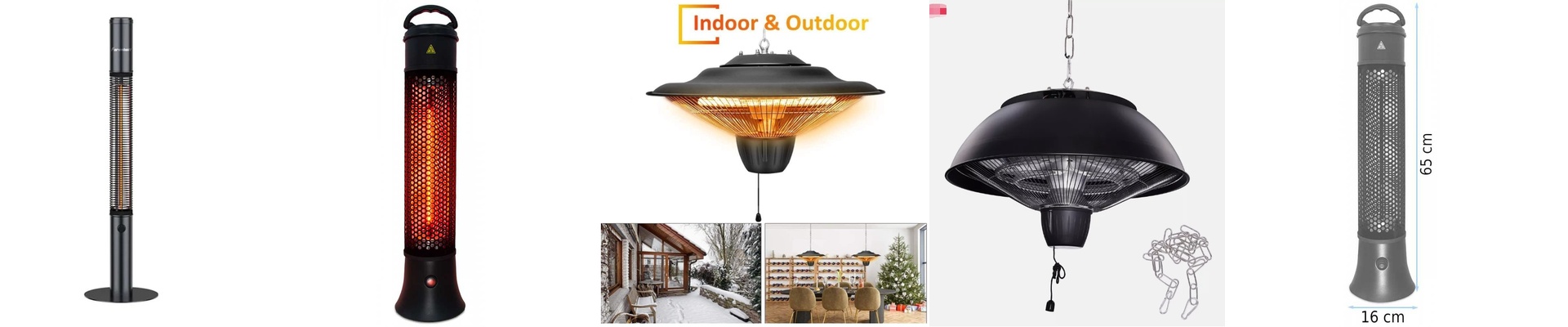
Keeping Infrared Lamps Safe in Wet Zones
Let’s be honest: putting infrared heaters in a bathroom is basically like inviting a fight with moisture and steam. You’ve got a scorching hot lamp meeting a cloud of water vapor, and that’s a recipe for condensation. If your insulation isn’t up to the task, you’re looking at short circuits or ground faults. Not great. We build these systems so they stay electrically sound, even when the whole unit is practically soaked.
Getting the Isolation Right
Standard wiring? Forget about it. It just won’t hold up here. We stick with double-insulated cables and sealed terminals because moisture loves to creep into live connections the moment you aren’t looking. The real trick is where the power lead meets the quartz tube. We use high-temp silicone or PTFE sleeves. Why? Because they don’t crumble under constant heat cycles. Most leaks happen when insulation cracks, and these materials just don’t do that. And please, make sure the housing is grounded. We use IP-rated enclosures to keep the direct spray away from the electrical junctions. If a gasket seal fails, water will find the fastest path to the ground. Always.
The Balancing Act with Materials
The quartz glass does the heavy lifting for the heat, but the end-caps are where things get risky. We use reinforced ceramic insulators to keep the current exactly where it belongs—in the filament. The best part is that ceramics don’t soak up water. But here’s the catch. If you seal everything too tight to keep the water out, the internal wiring can’t breathe. It starts to overheat. It’s a bit of a tug-of-war: you want a high IP rating, but you still need enough airflow so your terminals don’t literally burn out.
A Few Tips for the Build
When you’re wiring this up, stick to moisture-resistant connectors. Avoid exposed solder joints—they’re just asking for trouble. Double-check your leakage current specs before you flip the switch. And if you’re mounting these in a ceiling, keep an eye on the drip tray. You don’t want it accidentally creating a conductive bridge between the heater and the building’s metal frame. That’s a mistake you only make once.