



Why Your Bathroom Heater Keeps Dying (And How to Fix It)
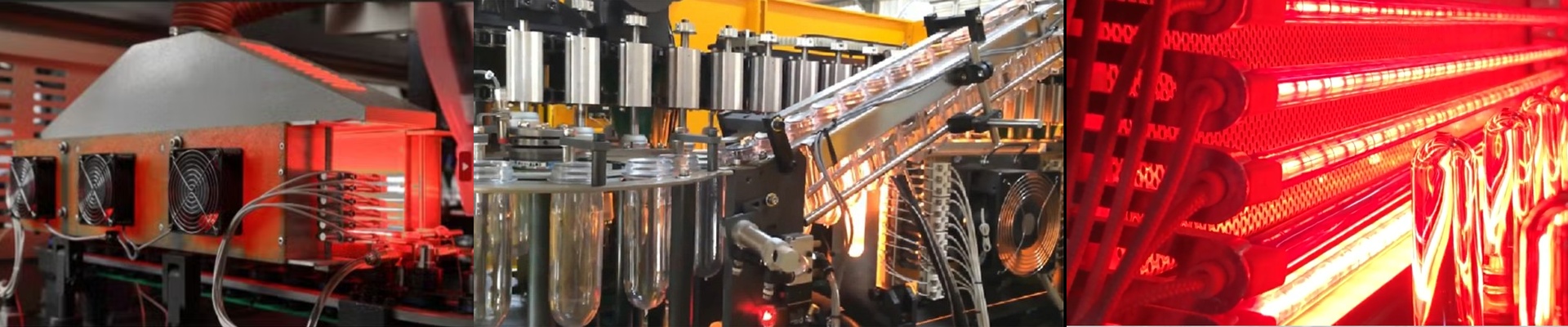
Let’s be honest: there’s nothing worse than stepping out of a hot shower into a freezing bathroom, only to have your heater flicker once and die. Most of those old-school bathroom lamps use basic halogen tubes. They’re fine for a while, but steam is sneaky. It finds its way into the housing, causes a short, and boom—you’re left shivering. That’s why we’ve been moving toward high-rated waterproof infrared heaters. They’re built to handle the humidity without the guts of the machine giving up on you.
Dealing with the Steam
It’s not just about avoiding a direct splash of water. The real enemy is that thick, airborne condensation that fills the room. A cheap heater might claim it’s waterproof, but a high IP-rated unit actually seals the electrical connections and the heating element tight. We use specialized gaskets and sealed interfaces to make sure moisture never touches the live parts. No more “pop and flicker.” You just get steady, reliable heat because the internal electronics aren’t fighting a losing battle against the humidity.
The Magic of Infrared
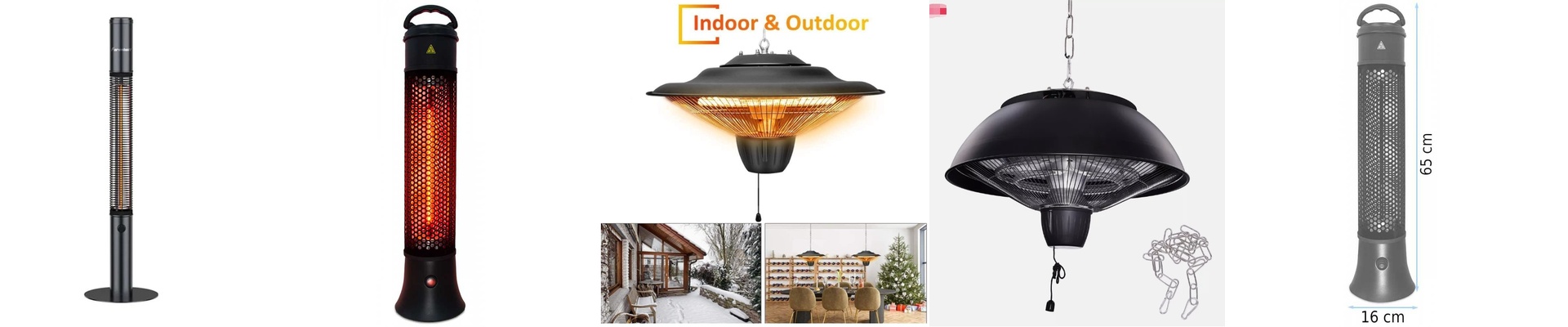
Most heaters try to warm up the air. But in a bathroom full of cold tiles, the air just cools down instantly. It’s a waste of energy. Infrared is different. It doesn’t care about the air; it sends out waves that heatyouand the surfaces around you directly. You feel it the second you turn it on, even if there’s a draft in the room. One thing to keep in mind: it works like a flashlight. If something blocks the beam, that spot stays cold. So, when you’re installing these, you’ve got to be smart about where they go to avoid any chilly surprises.
Getting it Installed
The good news? These usually slide right into the spots where your old lights used to be. Upgrading the waterproof grade is a huge relief for your peace of mind—way less worrying about ground faults in a wet room. Just a heads-up: double-check your circuit breaker. These infrared arrays pull a bit more power than a standard LED bulb, so you want to make sure your wiring can handle the load.