How Infrared Heaters Put the Smack Down on Bathroom Mold
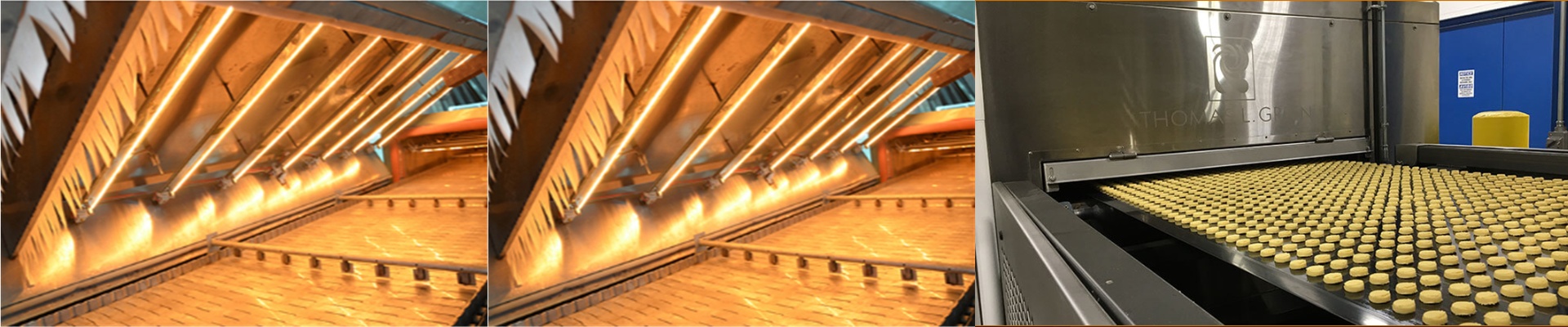
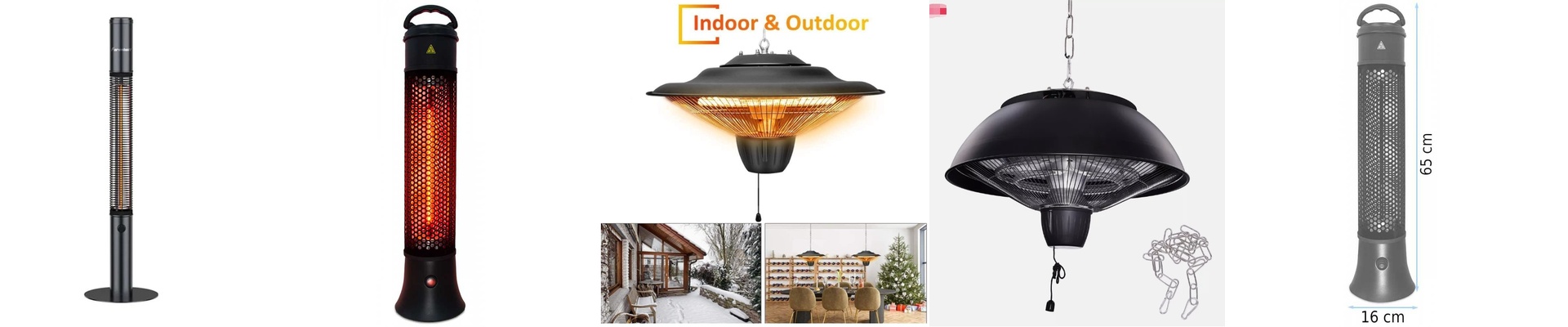
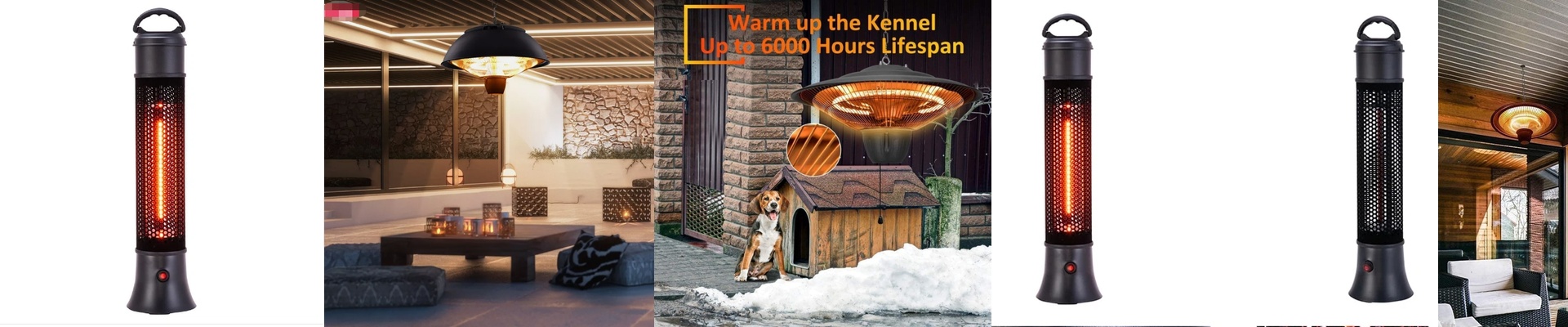
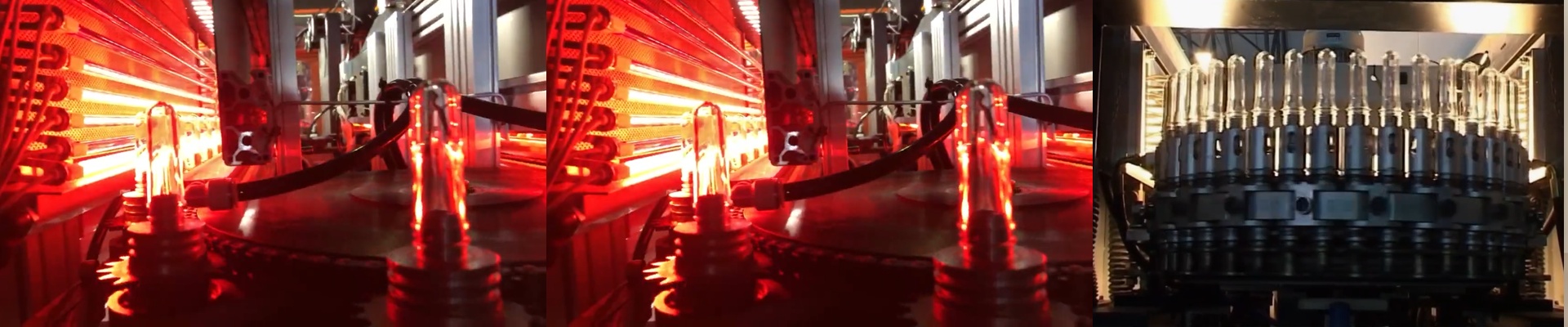
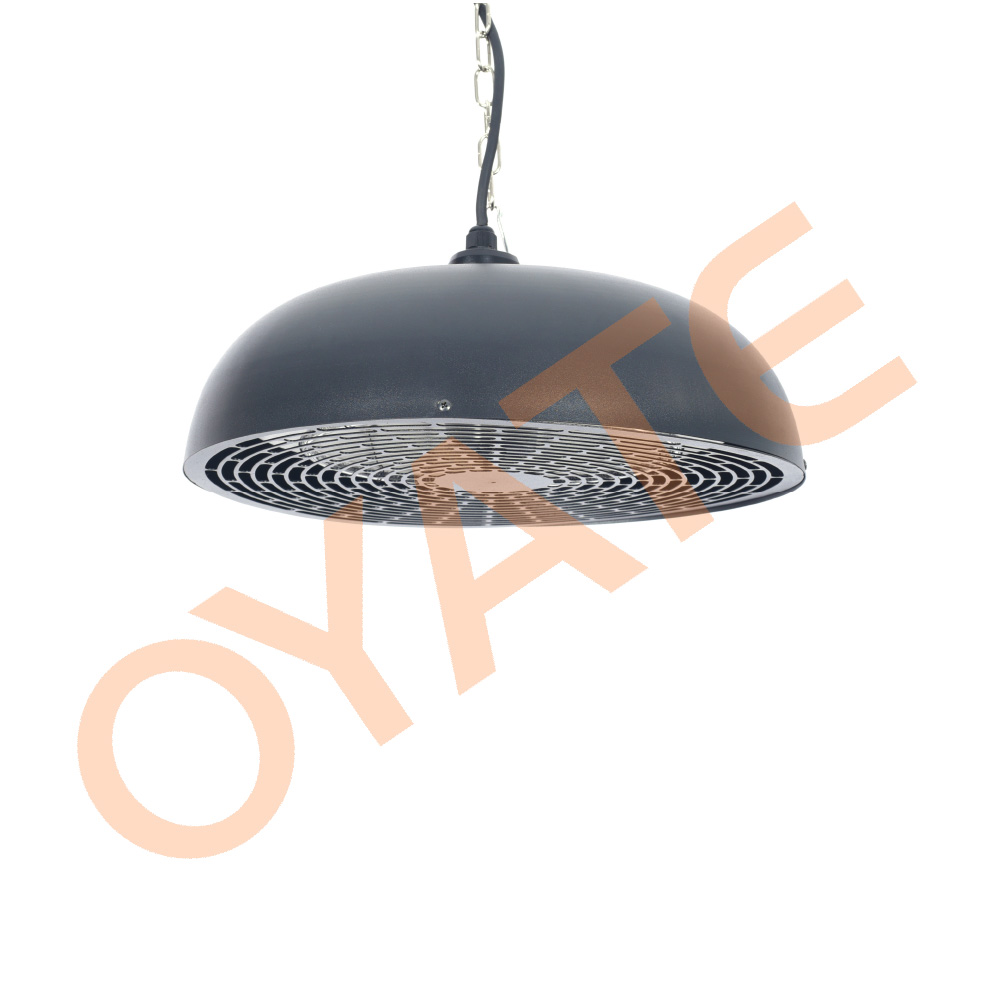
Okay, so picture this: a bathroom heater that does more than just warm your toes. We built a wall-mounted heater for bathrooms, but honestly, the tech is about way more than comfort. It’s about changing the whole atmosphere—the one that mold loves to party in. Here’s the secret: it uses shortwave infrared halogen lamps. That means it delivers heat that’s intense, focused, and right where you need it.
The Power Behind the Punch
You don’t need a major electrical overhaul to run this thing. It plugs right into a standard voltage setup. The magic is in how it packs a ton of power into a small, compact tube. That short, high-powered element creates a serious amount of heat in a tiny footprint—perfect for tucking away on a wall when space is tight. And for those industrial settings, the 400V option is common for a reason. It ensures the lamp can push the current through the halogen element to get maximum output. You get a heater that’s seriously strong, without a complicated install.
Built to Last, Built to Focus
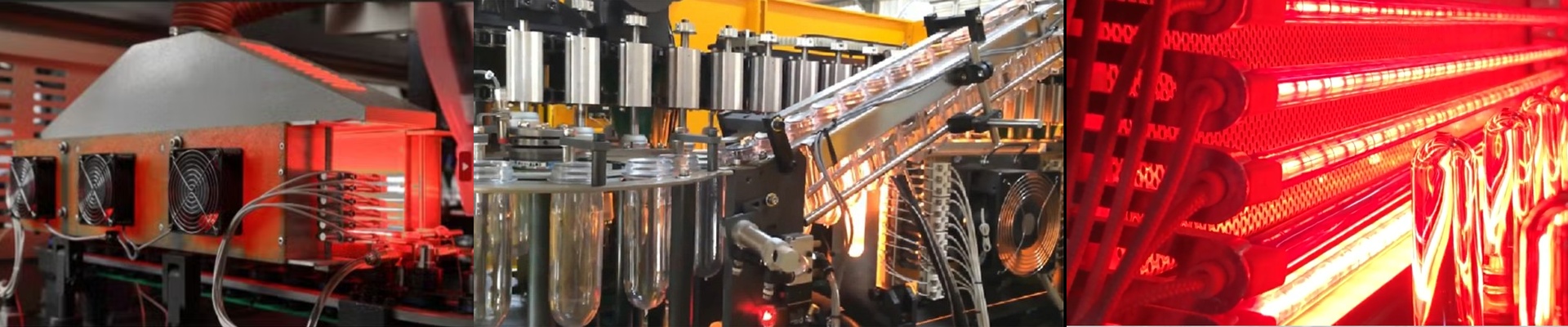
The body of the lamp is made from quartz glass. Why? Because it can handle extreme heat and sudden temperature changes without cracking. Inside, the halogen cycle keeps the filament stable, which means you won’t be replacing bulbs anytime soon. But it’s not just about durability. The coating on the tube is designed to focus the infrared spectrum, so all that energy goes exactly where it’s supposed to. And the R7s connector? It’s a standard, double-ended fit that’s tough and makes the wiring straightforward. It holds a solid connection, even when things get consistently hot.
The Real Win: A Mold-Free Bathroom
Here’s where it gets exciting. This heater doesn’t just warm the air. It blasts surfaces and objects directly with shortwave infrared. That rapid surface heating keeps your walls and floors above the dew point. And that means less condensation. Less condensation means mold spores have a much harder time taking hold. The result is a bathroom that stays noticeably drier and cleaner. Now, with all that focused power comes one thing to keep in mind: you need to make sure the enclosure and the mounting surface can handle the sustained heat. But for anyone trying to engineer a system that provides both warmth and smart environmental control, this is a practical, powerful tool.