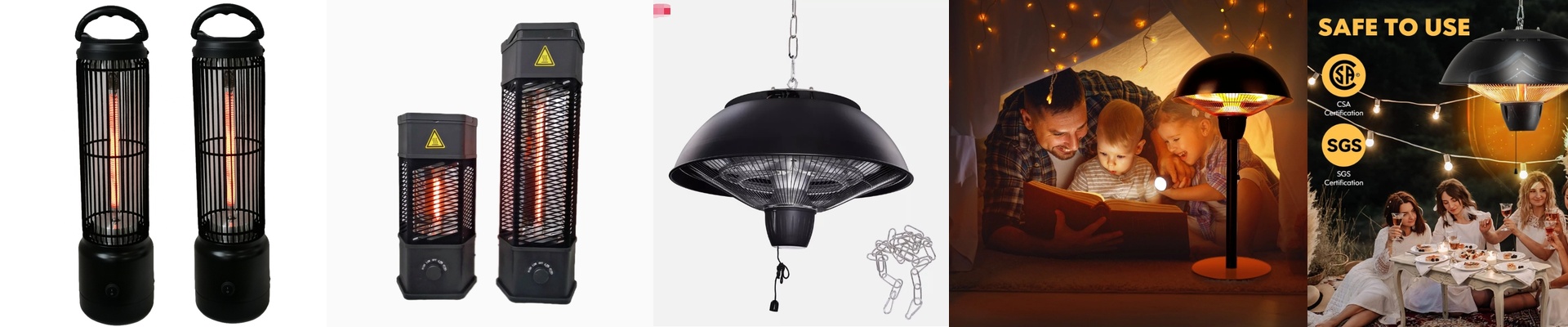
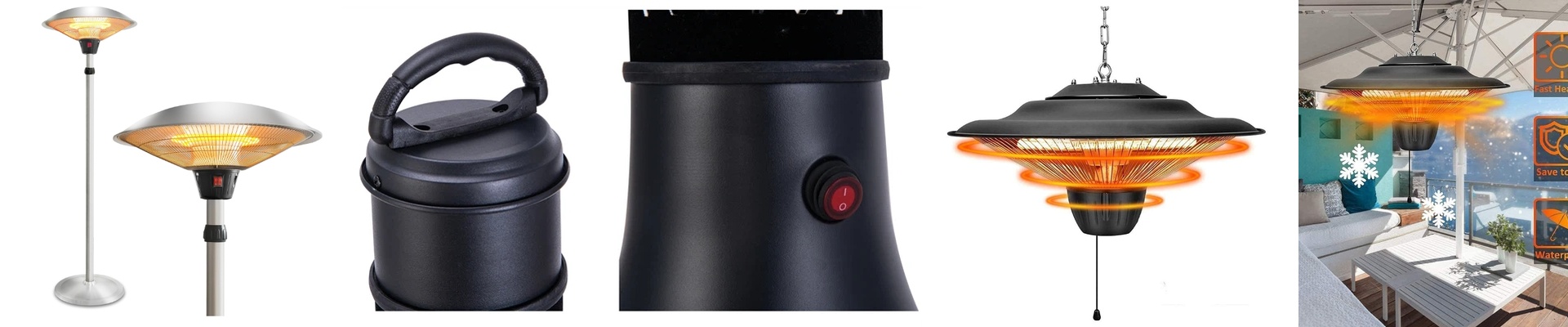
Nights outdoors get cut short fast when the heat doesn’t show up when it should. Fog drifts in, a quick drizzle hits, and the patio heater that’s supposed to be the backbone of the space starts showing its age early. We built our bulk infrared patio heaters to keep running in that kind of reality, so your outdoor season stays comfortable instead of ending abruptly.
What matters, under the hood
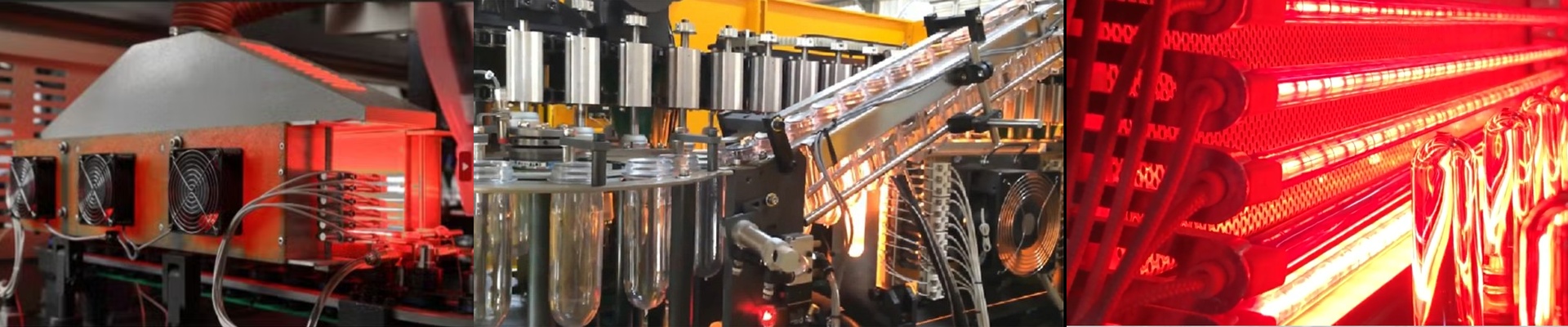
These units deliver infrared warmth—radiant heat that warms people and surfaces directly, not the air around them. The core is a high-efficiency infrared element, either a quartz tube or carbon fiber depending on the model, paired with a reflector that focuses the heat where you need it. That’s why you get less heat lost to wind and faster comfort in the spots that matter. Durability comes down to protection, plain and simple. We engineer in anti-fog measures to cut down on condensation inside the unit, and an anti-splash layout to shrug off light rain and the occasional splash. Add a sealed housing and a proper IP rating for outdoor use, and moisture has far fewer ways to reach the electrical core.
Why this works where you need it
On a patio, deck, or covered outdoor seating, fog and moisture aren’t rare—they’re part of the job. When a heater is vulnerable, you pay for it in downtime, service calls, and early replacement. When the protection is right, those same conditions become manageable. The payoff is steadier comfort with fewer interruptions. Patrons linger longer, families squeeze in one more round at dinner, and hosts stop worrying if the heater will hold up. You also get consistent output over time, so the warmth feels the same season after season—not dimmer and patchy.
The details that make the difference
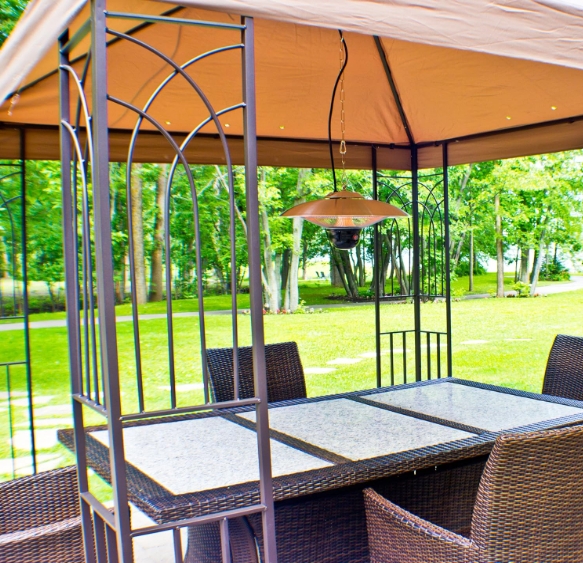
For best results, mount the heater under a structure that keeps direct exposure in check. Fully open areas will still let wind and heavier rain affect how it runs. Match the unit to your circuit and local outdoor electrical requirements, and keep clearances around the heater for proper airflow. Anti-fog and splash design helps, but no outdoor electric heater is built to handle flooding or high-pressure spray. Treat it as weather-resistant, not submersible.