
Keeping Your Bathroom Warm Without Blinding Your Kids
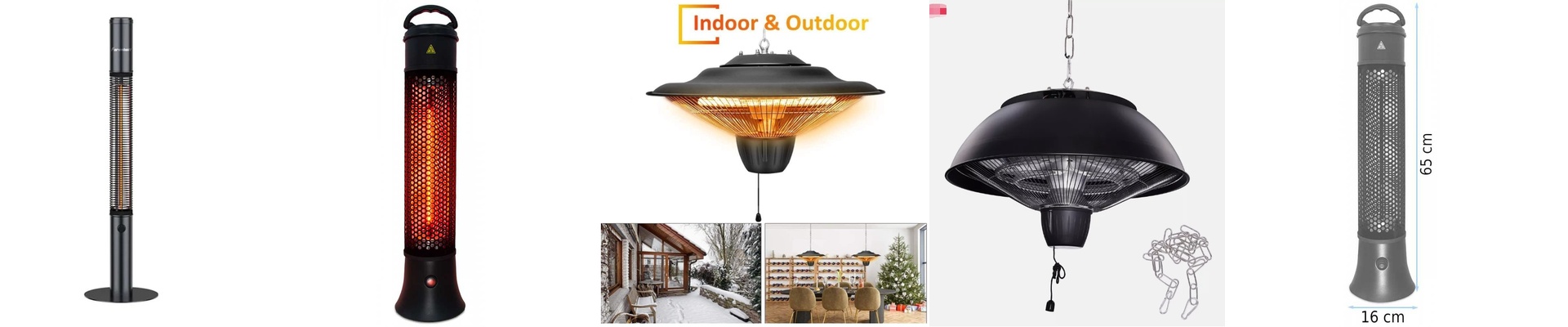
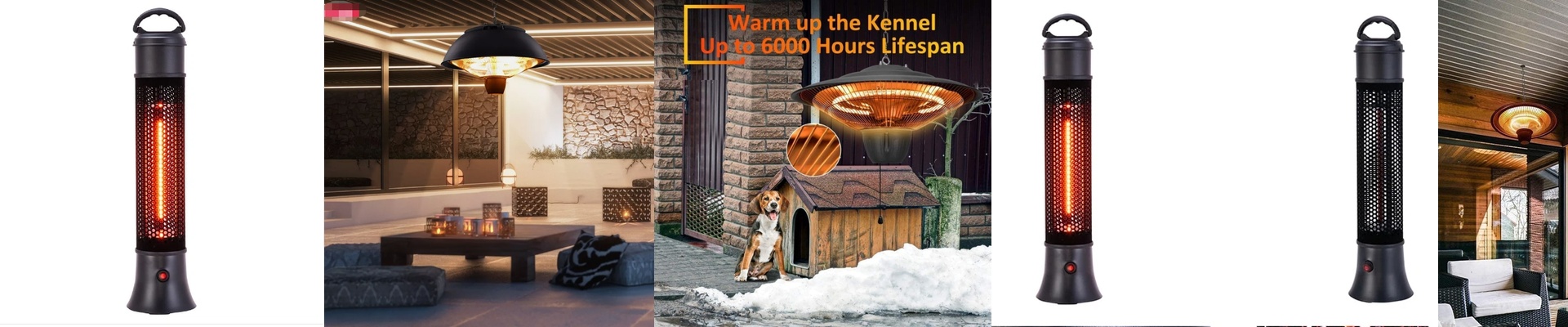
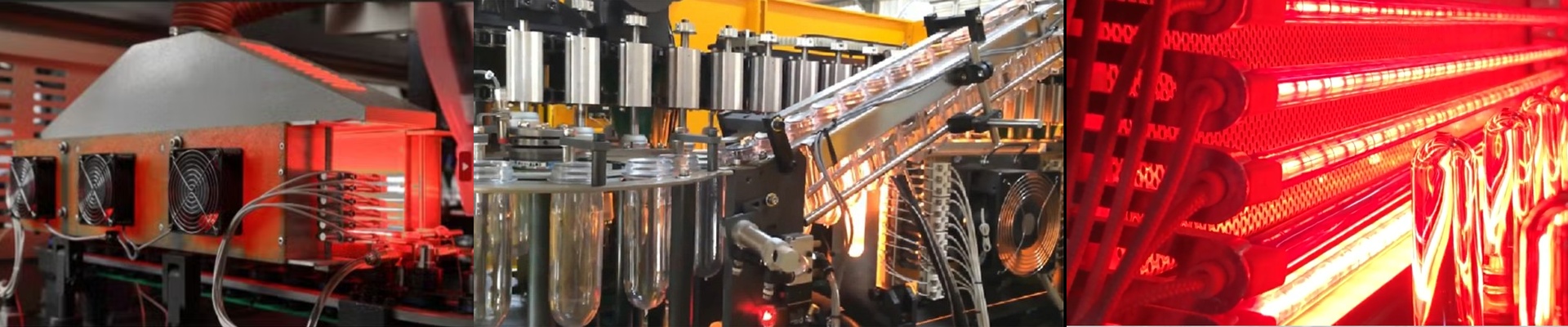
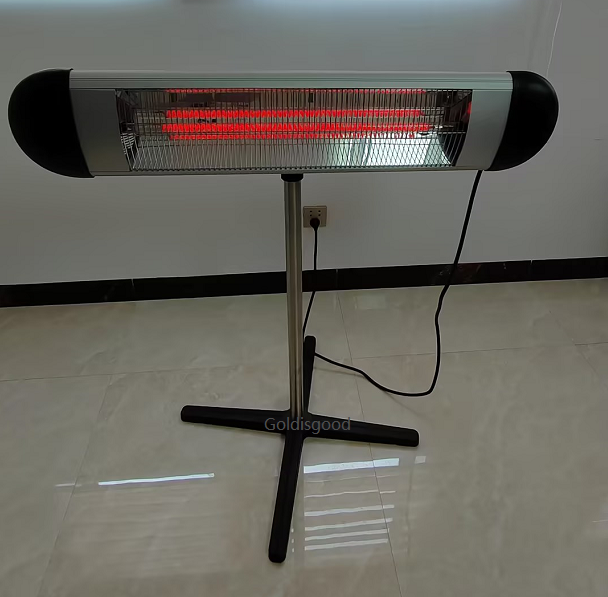
Ever stepped out of a hot shower into a freezing bathroom? It’s the worst. That’s why ceiling-mounted infrared heaters are great, but they come with a tricky problem. If you just put a powerful heating lamp on the ceiling, it’s basically a spotlight. It’s way too bright, and for a baby or a toddler looking up, that kind of glare is just not okay. Here is how we handle that. The trick with the light Most standard infrared lamps blast out a harsh, blinding white light. To fix this, we don’t just use a plain tube. We use specialized coatings and filtered quartz glass. Think of it like sunglasses for the heater. The filter blocks the bright, visible light that hurts your eyes, but it lets the actual heat—the long-wave radiation—slide right through. You get all the warmth, but none of the “staring into the sun” feeling. It’s much gentler on the eyes. How the heat actually works Inside the unit, we use a halogen-filled quartz tube. By tweaking the gas pressure and the thickness of the filament, we can control exactly how the heat behaves. The best part? It doesn’t waste time trying to warm up the air in the room. Instead, it beams a cone of heat straight down to your skin. It’s nearly instant. You flip the switch, and you feel it immediately. The honest trade-offs Now, nothing is perfect. Adding those protective coatings makes the manufacturing a bit more complicated. It also means you lose a tiny bit of raw heating power compared to a bare, uncoated tube. But honestly? It’s a trade you have to make. A little less wattage is a small price to pay for a heater that’s actually safe to have in a family home. One last tip if you’re installing these: check your wiring. Halogen lamps have a bit of a “kick” when they first start up. If your circuits are old or under-specced, you’ll be tripping your breakers—especially in a humid bathroom. Make sure your electrical setup can handle the surge, and you’re good to go.