Keeping Your Infrared Heaters Alive in Wet Shops
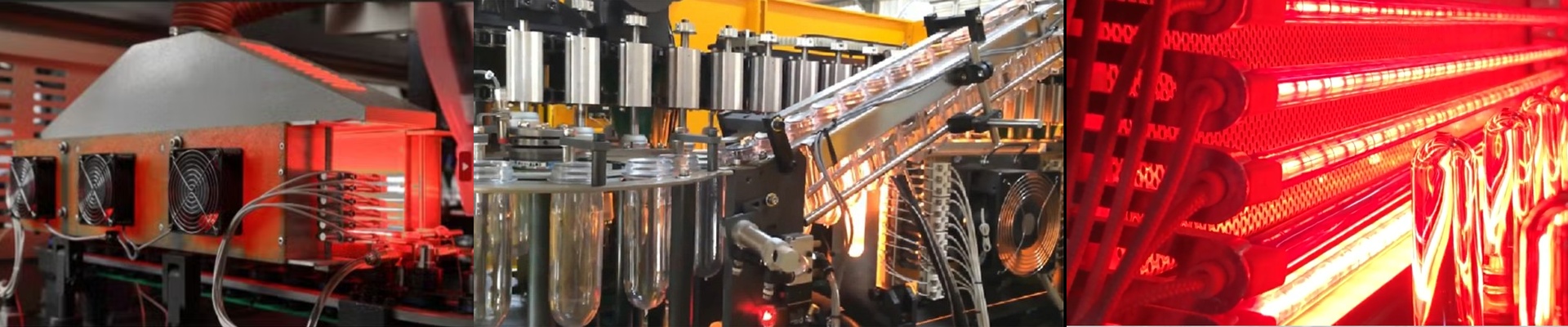
Water is the enemy here. Plain and simple. When moisture hits a red-hot quartz tube or leaks into the electrical terminals, things go south quickly. You get thermal shock or a short circuit, and suddenly your production line is dead. That’s exactly why we built our heaters to an IPX5 standard. What does IPX5 actually mean for you? Basically, it means the unit can take a hit from water jets coming from any direction and keep on ticking. We didn’t just slap some sealant on the outside and call it a day. We focused on the real weak spots—the junction boxes and the gaskets. By sealing the entry points where the cables meet the element, we stop spray from hitting the live wiring. If your shop is full of mist, steam, or constant splash-back, this is what keeps your heaters from burning out every few months. The hidden danger: Fog and condensation You might think a little fog is just a nuisance, but it’s actually a warning sign. When tiny droplets form on the heating surface, the heat doesn’t spread evenly. You get these intense “hot spots” on the glass, which is a recipe for a cracked tube. We designed our anti-fog setup to push that moisture away before it can settle. It keeps the heat radiating smoothly, so the quartz stays intact. A few honest things to keep in mind Look, there’s a trade-off. Adding those waterproof seals makes the housing a bit bulkier. You can’t just slide these into a tight spot designed for a bare-tube heater. When you’re planning your machine layout, make sure you leave a little extra breathing room for the casing. And one last tip: these heaters are tough, but they aren’t magic. If you let water pool around the base for days on end, the chassis will eventually rust. No IP rating can stop corrosion if the unit is sitting in a puddle. Keep your mounting brackets clear of standing water, and these things will last you years.