Stop Settling for “Close Enough” with Your Food Display Heaters
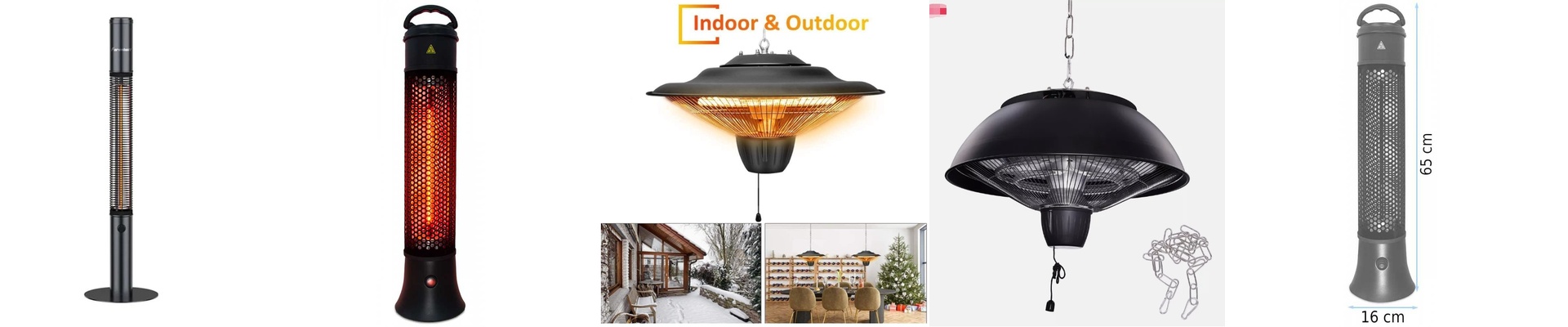
Ever tried to fit a square peg in a round hole? That’s exactly what it feels like when you try to jam a standard, off-the-shelf heating lamp into a custom food display. It usually doesn’t fit right. You end up with these annoying cold spots where the food just sits there, or the heat hits one area too hard while the rest stays lukewarm. It’s frustrating. We fix that by building infrared elements that actually fit your specific setup. No guesswork. Just a heater that fits your chassis perfectly.
Getting Up to Temp, Fast
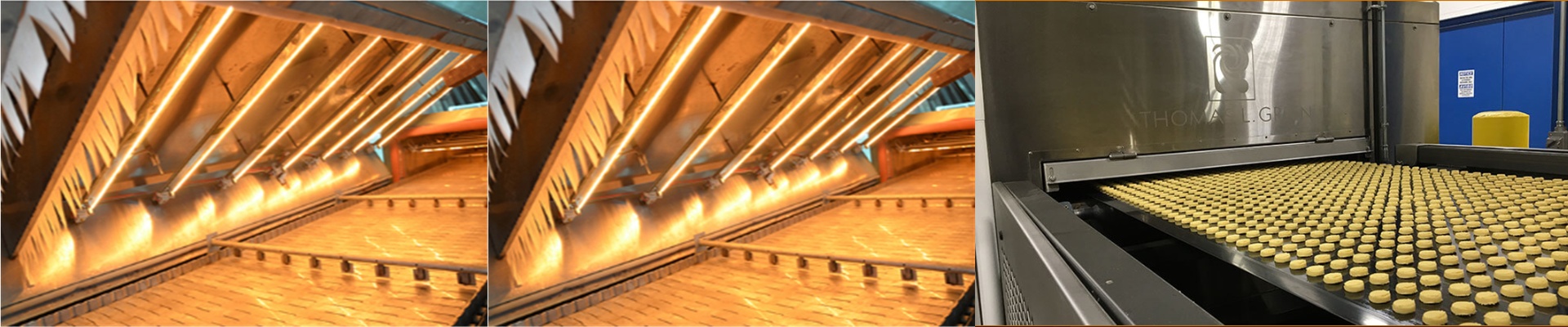
When you’re running a busy kitchen or storefront, you can’t wait forever for things to warm up. You need heat, and you need it now. That’s why we use halogen-filled filaments wrapped in quartz glass. They hit target temperatures way faster than those old-school resistive coils. Whether you’re plugging into a standard 220V outlet or running on a heavy-duty industrial grid, we can tweak the wattage and voltage to get the heat flux just right. If we use a shorter tube with higher wattage, you get an intense burst of short-wave IR. It sinks right into the food quickly, so you don’t end up with that weird, dried-out crust on the outside while the middle is still cold.
The Nitty-Gritty: Materials and Plugs
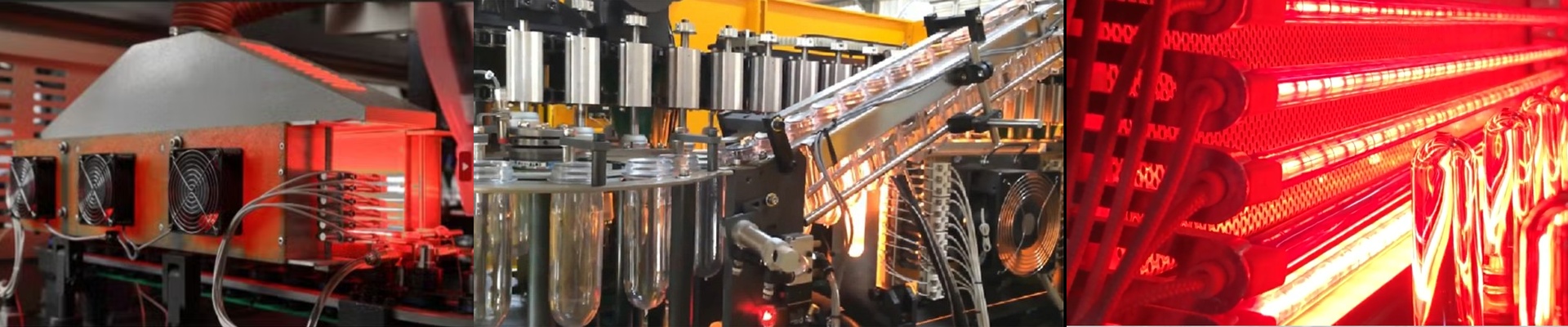
It isn’t just about the length of the tube. Depending on what you’re heating, you can go with clear quartz to let the most IR through, or we can use coated tubes if you need to shift the heat spectrum. And here is the part where most replacements go wrong: the connections. There is nothing worse than getting a new lamp only to realize the plugs don’t match. We handle everything from R7s snap-ins to SK15s or even custom welded leads. The goal is for the lamp to just… drop in. You shouldn’t have to rewire your entire shop just to get a heater to work.
A Quick Word on the Trade-offs
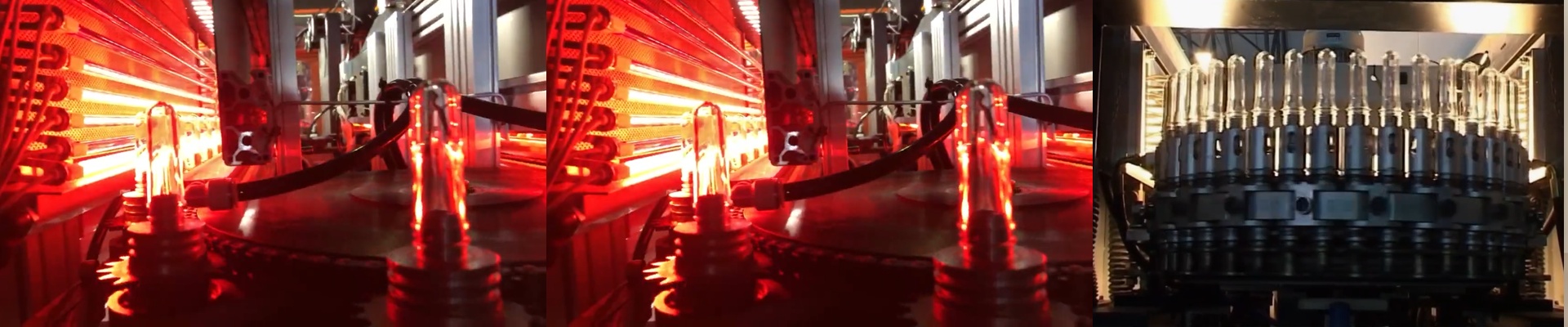
Here’s the thing: packing 1500W of power into a tiny, custom-shaped tube creates a lot of intense, localized heat. If your case doesn’t have a way to breathe or some decent heat-shielding, you might start warping your plastics or scorching your food. It happens. You’ve got to make sure your ventilation can handle the rise in temperature. We’ll sit down with you and balance the wattage so you get the speed you want without accidentally melting your equipment.