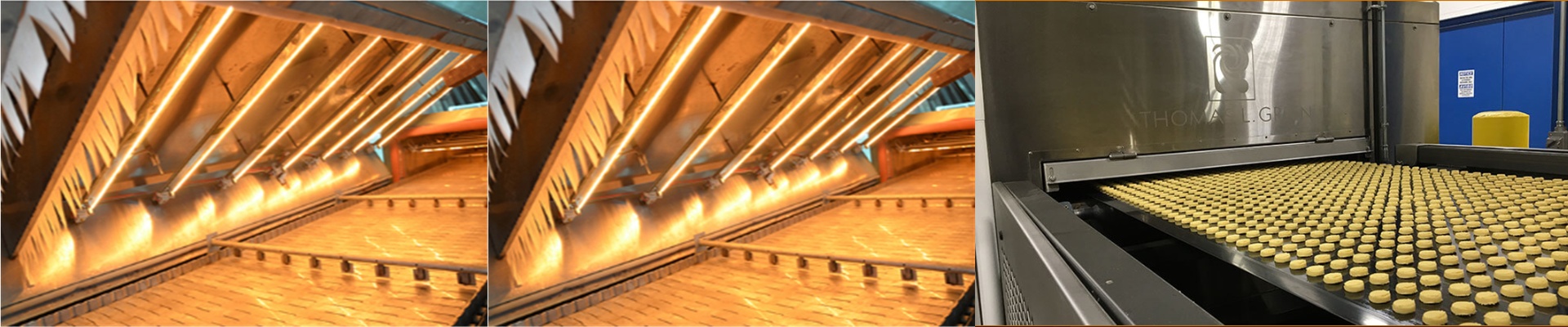
How to Pick Replacement Heating Tubes for Your Steam Oven Without Breaking the Bank
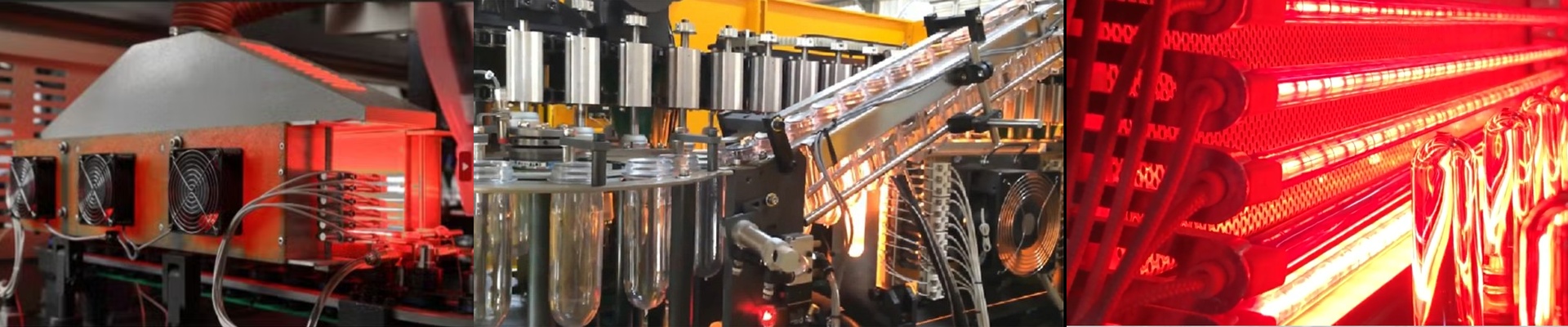
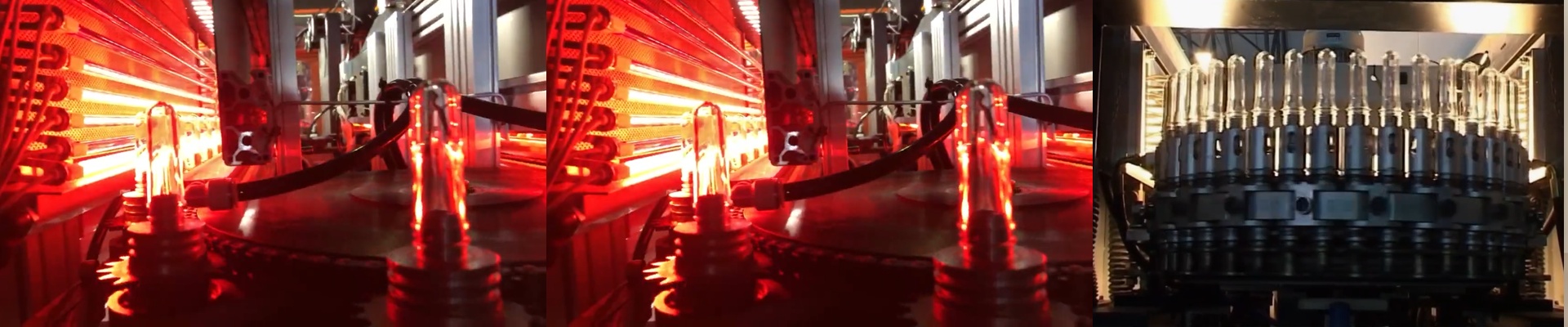
Let’s be honest: buying OEM heating tubes for imported steam ovens is a rip-off. The price tags are insane. Now, you can absolutely find high-performance alternatives that do the job just as well. But there’s a catch. If you don’t get the specs exactly right, you’re looking at a burnt-out controller or a cracked piece of quartz. Not a great way to spend your afternoon. Getting the numbers right You can’t wing it when it comes to voltage and wattage. Period. If your oven is wired for 230V and you slide in a 110V tube, it’s going to pop almost instantly. On the flip side, if the voltage is too low, you’ll just be sitting there wondering why your oven won’t hit the temperature you need. I always look at the wattage-per-centimeter ratio. It’s the secret sauce. If the tube is too short, you’ll get annoying cold spots. Too long? You’re putting mechanical stress on the glass, and that’s a fast track to a shattered tube. The science of quartz and coatings Most of these tubes use high-purity quartz. We use halogen gas fills to stop the filament from evaporating too quickly—which basically means the tube lasts longer. Then there’s the coating. Some tubes have gold or infrared coatings to bounce the heat back into the chamber. If you swap a coated OEM tube for a clear, generic one, you’ll notice your energy bills creeping up. Why? Because the heat is escaping through the walls instead of cooking your food. And please, double-check your connectors. Whether it’s R7s or SK15, it needs to be a snug fit. A loose connection causes arcing, and that’s how you end up with a melted socket. Cheap vs. Premium: The real cost Here’s the thing about the budget tubes: they usually use lower-grade filaments. They’ll feel great at first. The heat is there, and you saved a few bucks. But while a premium tube might cruise for 5,000 hours, the cheap ones often give up the ghost around 2,000. You have to decide if the lower upfront cost is worth the headache of climbing back into that oven to replace them twice as often. One last tip: once the new tubes are in, take a second to tune your PID controllers. It stops the temperature from overshooting and keeps everything running smooth.