Can switching your lamps actually speed up your blower?
If you’re running a mid-tier PET machine, you know the headache of inconsistent heating. You pull a bottle off the line and see those annoying streaks of pearlescence or walls that are way too thin in some spots and thick in others. Most people start messing with the mechanical timing, thinking that’s the problem. But honestly? It’s usually just about how the heat is getting into the plastic. If your IR lamps are old or just low-spec, you’re fighting a losing battle. Swapping them out for high-density lamps can actually shave time off your cycles.
Let’s talk heat density
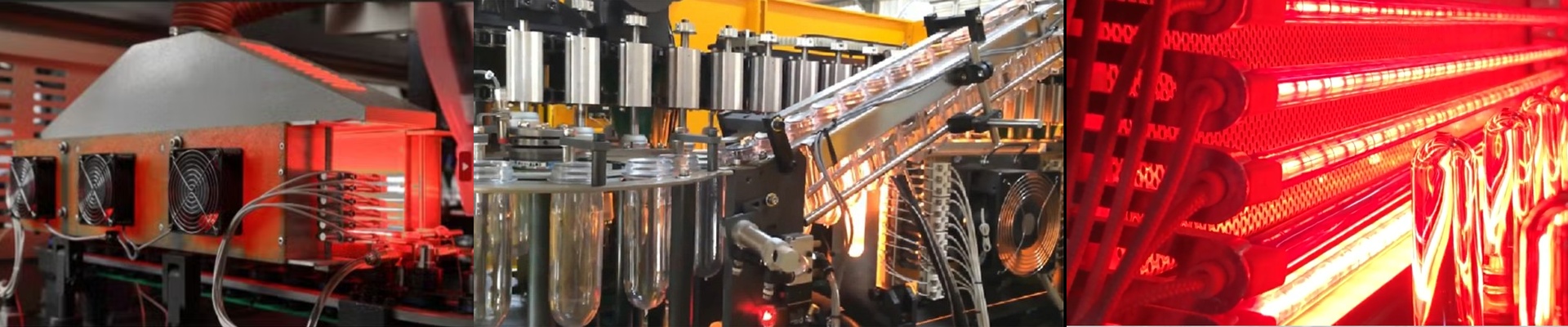
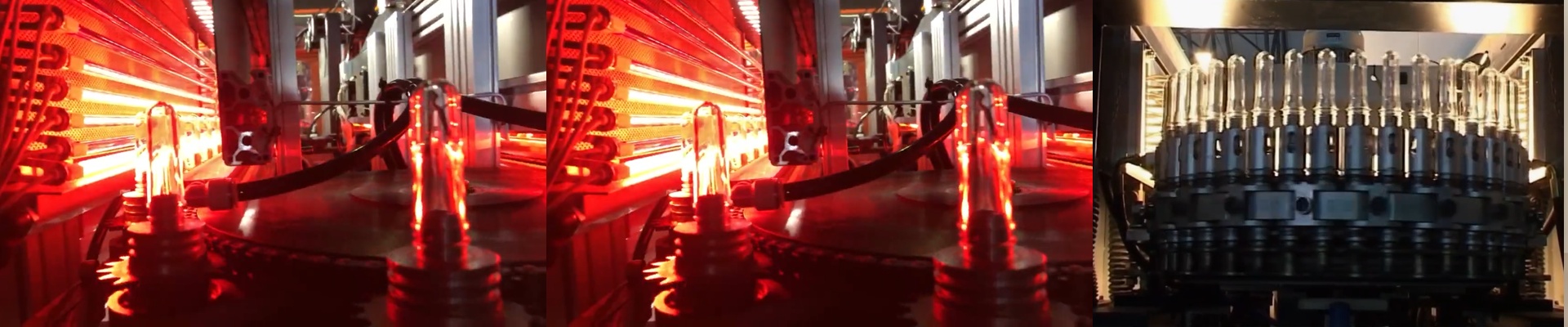
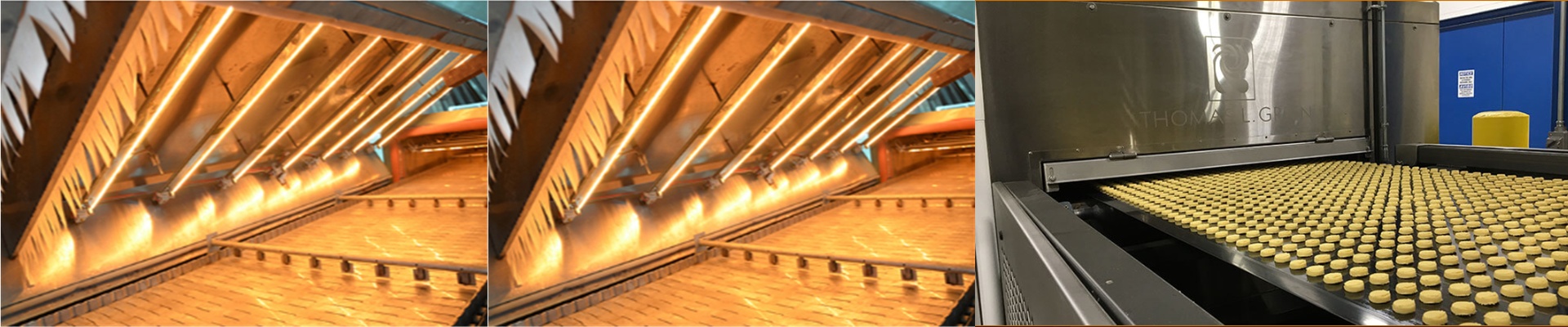
Here is the thing: PET blowers rely on shortwave IR radiation to punch through the plastic fast. It’s all about the flux. When you go with a higher wattage lamp, you’re basically cramming more energy into every square centimeter. This means the preform gets up to temperature way faster. Plus, better thermal distribution kills those dreaded “cold spots.” When the heat is even, you can push the machine harder without worrying about the bottles blowing out on you. It just feels smoother.
The grit: Quartz and Halogen
We use heavy-wall quartz glass for a reason. These things take a beating with the constant heating and cooling, and quartz can handle that thermal shock without cracking. Inside, we use halogen gas. It stops the tungsten filament from evaporating too quickly, so you aren’t replacing bulbs every few weeks. One quick tip: watch your connectors. Whether you’re using R7s or SK15, make sure they are tight. A loose fit creates resistance, and that leads to arcing. There’s nothing worse than opening your oven to find a melted socket.
The catch (because there’s always one)
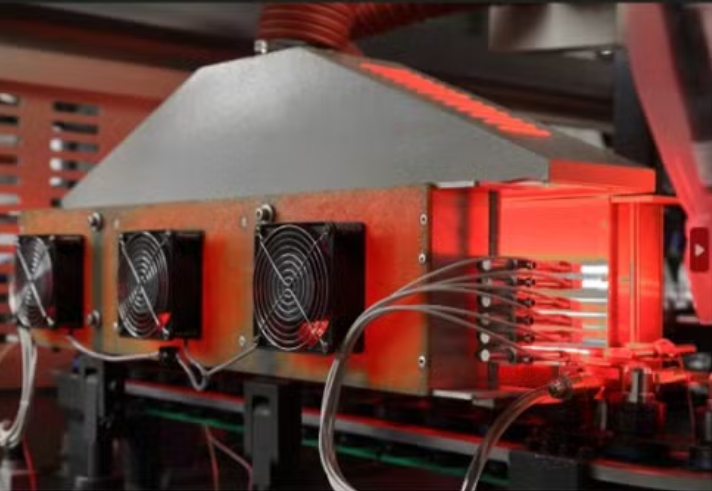
Upgrading your lamps isn’t a magic fix with zero downsides. More wattage means more heat leaking into the oven chassis. Before you pull the trigger, check your cooling fans. If your ventilation is weak, you’ll cook your sensors, and suddenly your temperature readings will start jumping all over the place. And for heaven’s sake, check your power supply. Make sure it can handle the extra current draw before you wire everything up. You don’t want to trip a breaker in the middle of a big run.