Getting the Heat Right: A Better Way to Handle PET Preforms
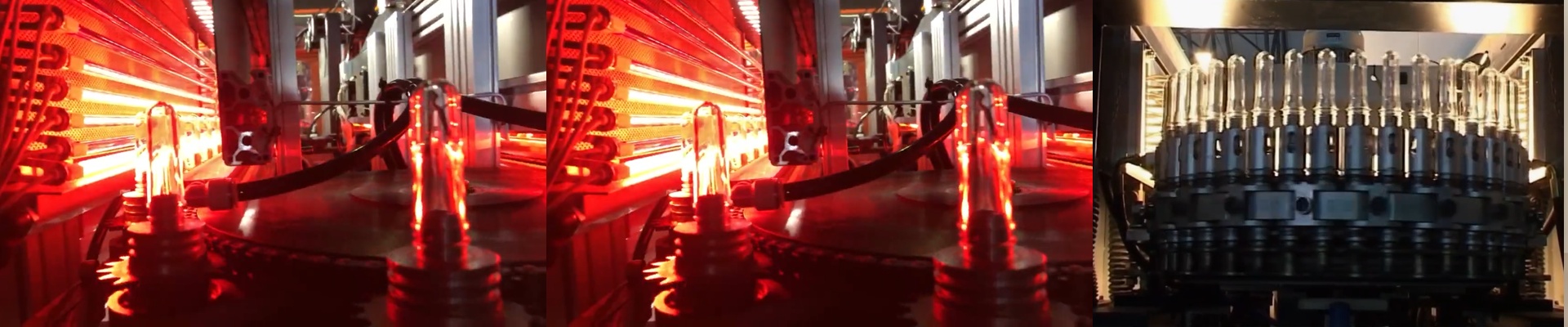
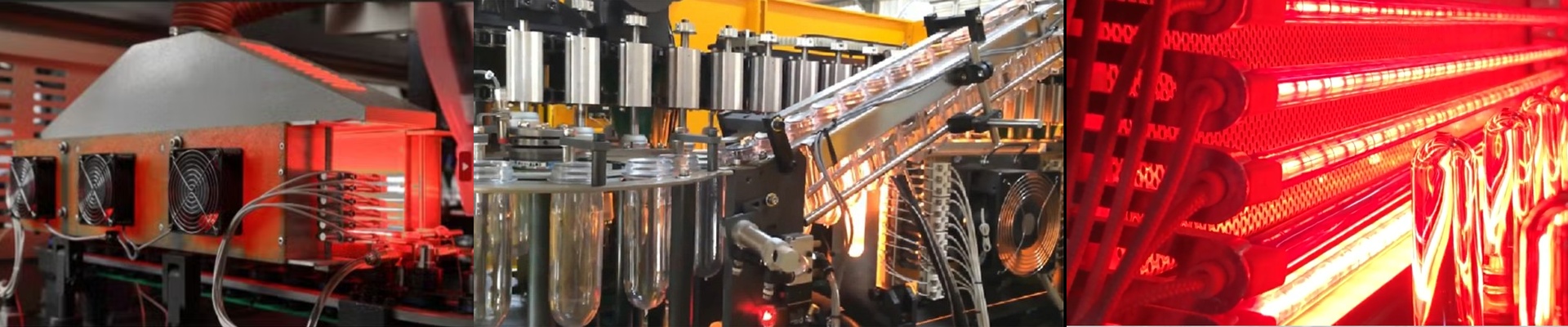
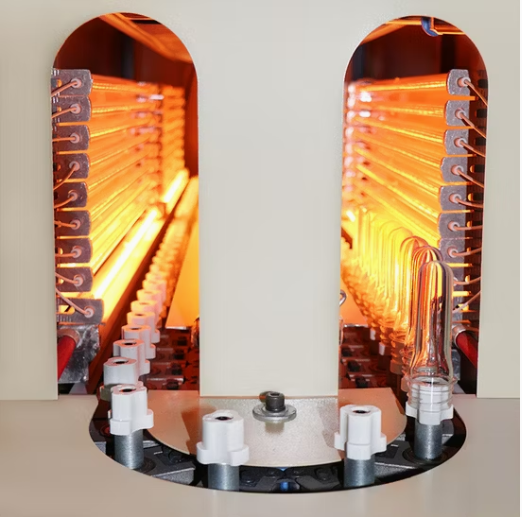
If you’re running a Nissei ASB 70DP or a Husky HyPET, you already know the headache. The bottleneck is almost always heat penetration. When the preform doesn’t heat evenly all the way through the wall, you end up with those annoying thin spots or that cloudy pearlescence in the finished bottle. It’s frustrating. We built our replacement lamps to fix exactly that. Instead of just throwing heat at the plastic, we shifted the infrared spectrum to actually play nice with the way PET absorbs energy. How it actually works Most standard quartz lamps just blast the surface. They dump too much energy on the outside, leaving the core cold. We used specific coatings and gas fills to push more energy into the shortwave IR range. Think of it as a deeper soak. The heat gets further into the wall, hitting that glass transition temperature faster. We focused on heat density—concentrating the wattage right where it needs to be. No fuss, no rewiring You don’t want a project; you want a part that works. That’s why these are simple drop-in replacements. We matched the electrical load and physical size of the OEM Nissei and Husky specs perfectly. You won’t have to mess with your ballasts or rewire your system. A few quick details: *The Fit: They’re the exact length and diameter, so they sit dead-center in the oven. *The Swap: Standard terminals make it easy to switch them out during a quick maintenance window. *The Build: We use high-purity quartz. It can take the constant heating and cooling of a high-speed line without cracking. A word of caution Here’s the thing: these lamps put out a massive amount of heat flux. Because they’re so powerful, you have to keep an eye on your cooling blowers. If your airflow is clogged or just isn’t cutting it, that extra heat density can burn out the lamp ends or bake your oven chassis. And please, check your reflectors every single shift. A dirty reflector kills all the gains you get from a high-output lamp. Keep them clean, pop in our tubes, and you’ll see shorter cycle times and bottle weights that actually stay consistent.