Introduction
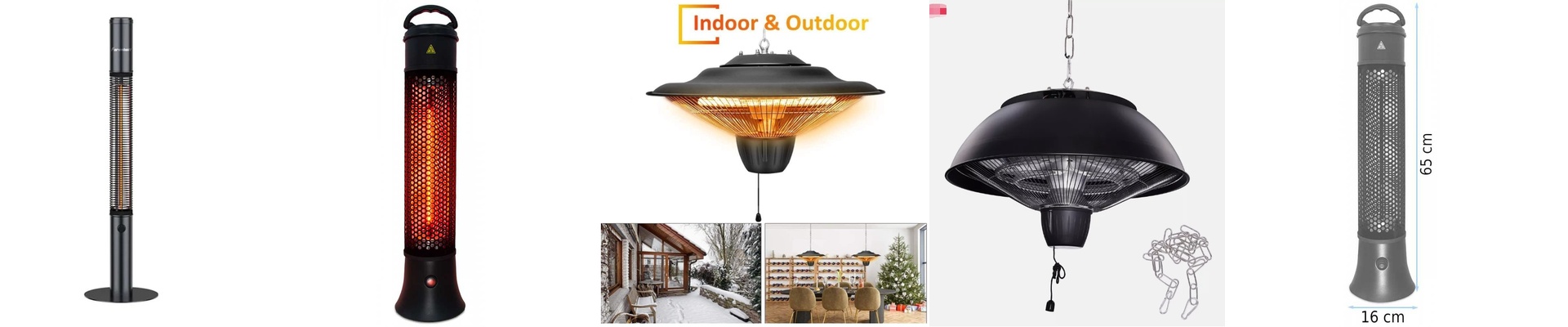
We built the 2026 electric infrared heater around one simple idea: give you industrial-strength heat that’s tough, affordable, and easy to work into what you already have. This isn’t some flimsy consumer gadget. It’s a workhorse—made for engineers who need heat they can count on, performance that stays steady, and a total cost of ownership that doesn’t make you wince. If you’re cramming serious heat into a tight spot, and reliability can’t be optional, this is the heater you want.
Technical Deep-Dive
Here’s the heart of it: we ran the heater on a high-voltage platform—usually 400V—so we could pack a lot of power into a small tube. That voltage choice is the secret to high heat density. You get serious wattage without needing a huge footprint. The tube length is designed to match standard industrial spaces, so you can slide it into existing fixtures without a full redesign. More power in a shorter package means one big payoff: it heats up fast and reacts quickly when you adjust the controls.
Material & Design
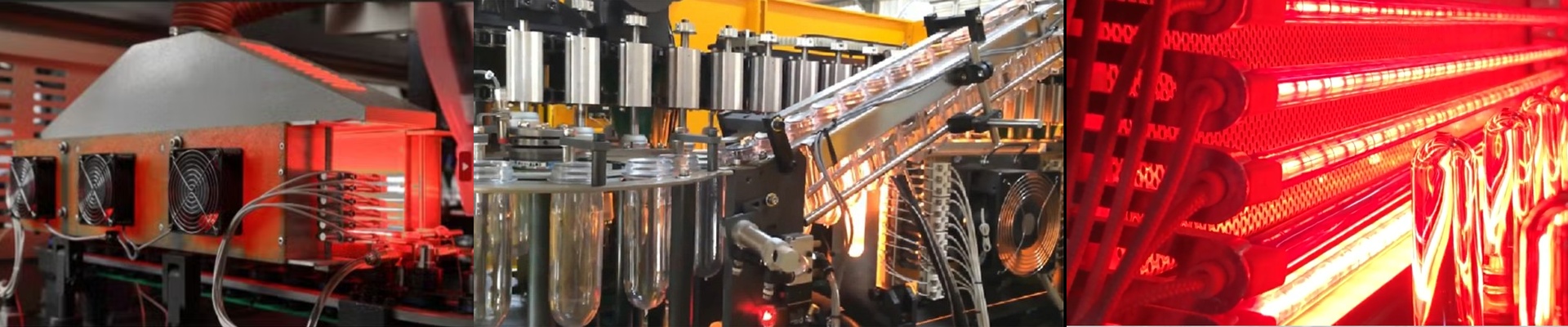
We wrapped the heater in a quartz envelope with a halogen fill. Why? Because it handles wild temperature swings without blinking, and it keeps output steady over time. The reflective coating on the outside pushes energy where you need it—forward—so less heat goes to waste and nearby parts stay protected. And the R7s connector? That was a deliberate pick. It carries the current safely and makes installation secure, without needing extra tools. This thing is built to survive the shop floor. Just give it proper clearance and a solid mount, so you don’t run into hot spots.
Application & Benefits
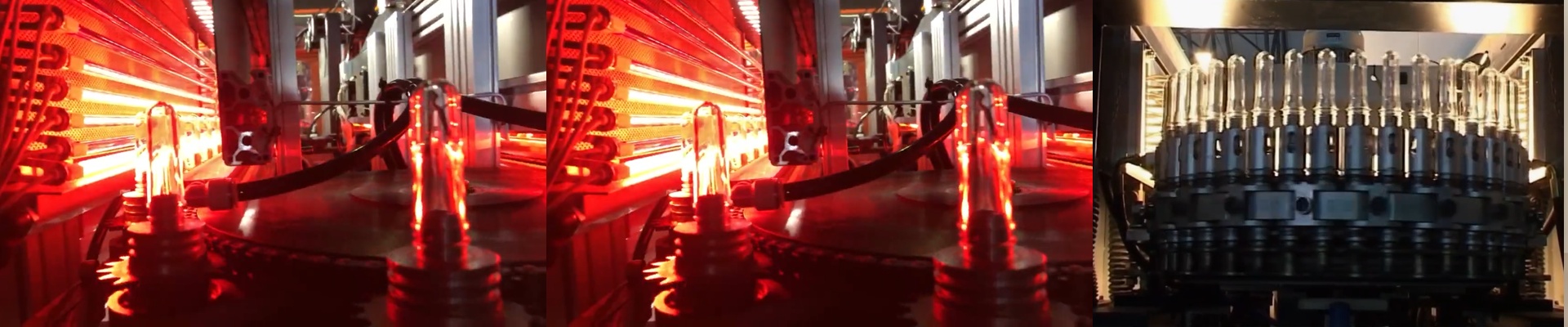
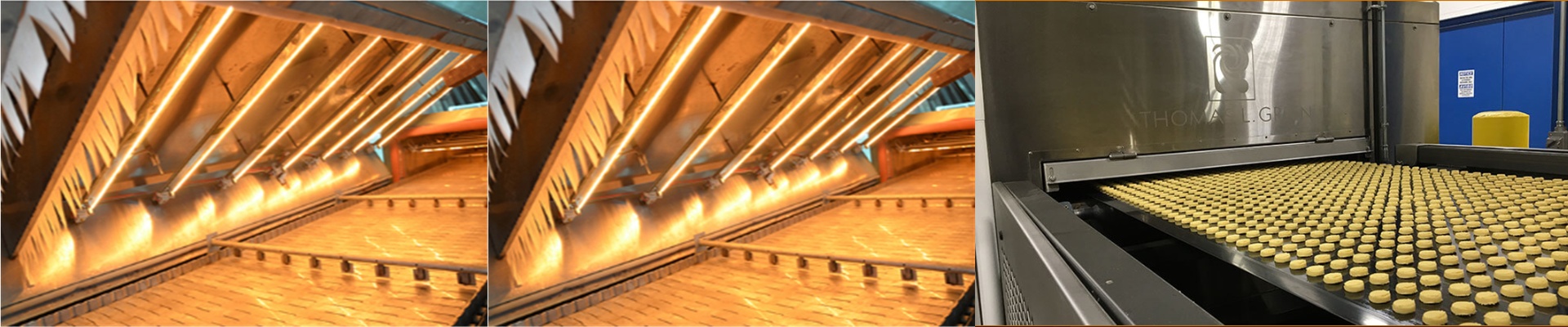
Out in the real world, this setup shines wherever you need intense, directional heat in a small space—plastic processing, curing, drying, heating small parts. The fast response is a real advantage when your process window is tight. And the rugged build means fewer surprises and less downtime. It specs out clean, wires up straight, and behaves predictably when the load hits. Now, there is one thing to keep in mind: with this much power packed together, you need solid thermal management. Make sure you’ve got enough airflow or heat sinking so the surrounding area stays within safe limits.