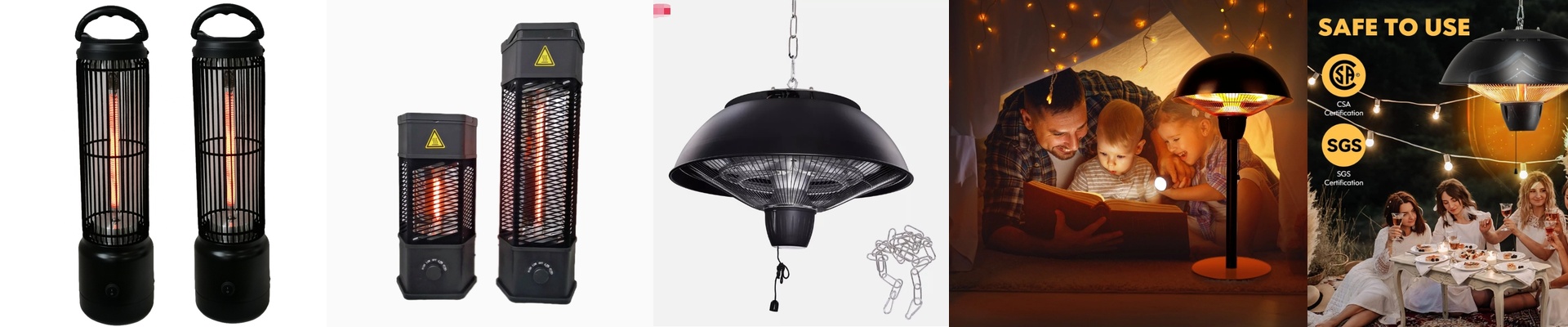

Getting the Perfect Crust: The Truth About IR Heating
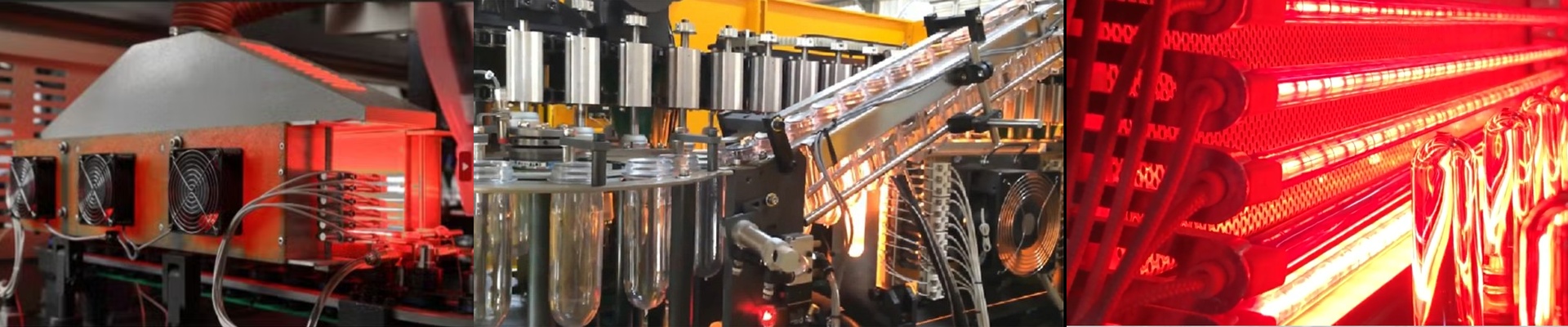
If you’ve ever spent hours kneading the perfect dough only to pull a loaf out of the oven that’s burnt on top and raw in the middle, you know the frustration. It’s usually not your recipe. It’s your oven. Most cheap ovens are just inconsistent. They swing wildly in temperature, which is a nightmare when you’re trying to get that perfect “oven spring” and a golden-brown crust. That’s why we use Infrared (IR) heating. Instead of waiting for the entire oven cavity to heat up like a giant radiator, IR sends heat directly into the bread. It’s fast. Really fast. The battle against “The Swing” Here’s the thing: most basic thermostats are clumsy. They have a “deadband” (a gap in temperature) that lets the heat drift. If your oven swings by 10°C, your browning becomes a guessing game. We use high-precision PID controllers to fix this. They keep the heat within a tiny 1-2°C window. No more erratic scorching. Just a steady, constant flow of energy that treats every inch of the loaf the same way. Choosing the right gear We usually go with quartz-glass IR tubes. They put out a shortwave spectrum that digs deep into the dough quickly. But you can’t just throw the most powerful tube you can find into a small oven. If the heat density is too high, you’ll char the crust before the inside even has a chance to set. It’s all about matching the wattage to the size of your workspace. The messy side of precision Now, getting this kind of accuracy isn’t free. Better sensors and fast-switching relays add up on the bill. And there’s a practical danger you have to watch out for. These IR tubes get incredibly hot—especially at the terminals. If you use cheap wiring, the insulation will literally melt, and you’ll fry your board. You need high-temp rated leads. Period. At the end of the day, a beautiful crumb and a consistent crust don’t just happen by luck. It’s what happens when your heating elements and your controller actually talk to each other and stop the temperature from drifting.