Getting Your Rotary Oven to Actually Heat Evenly
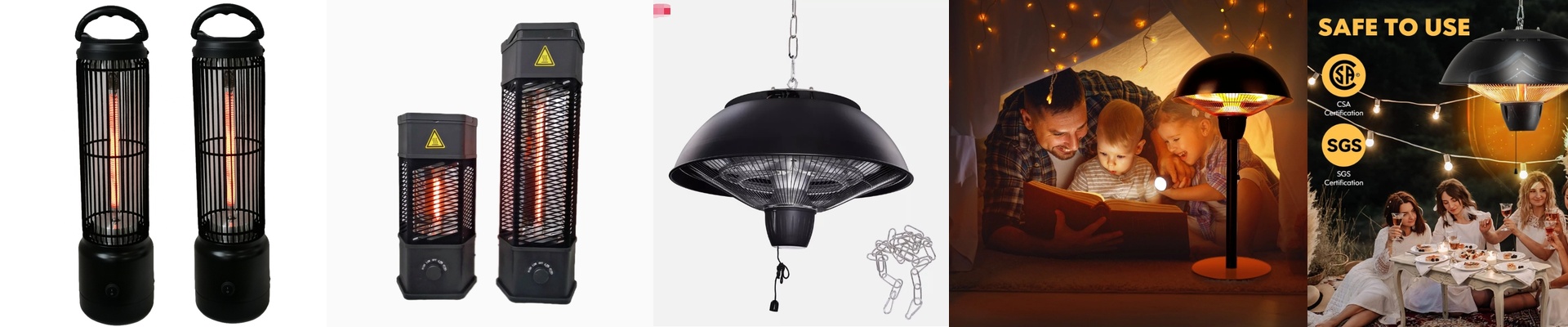
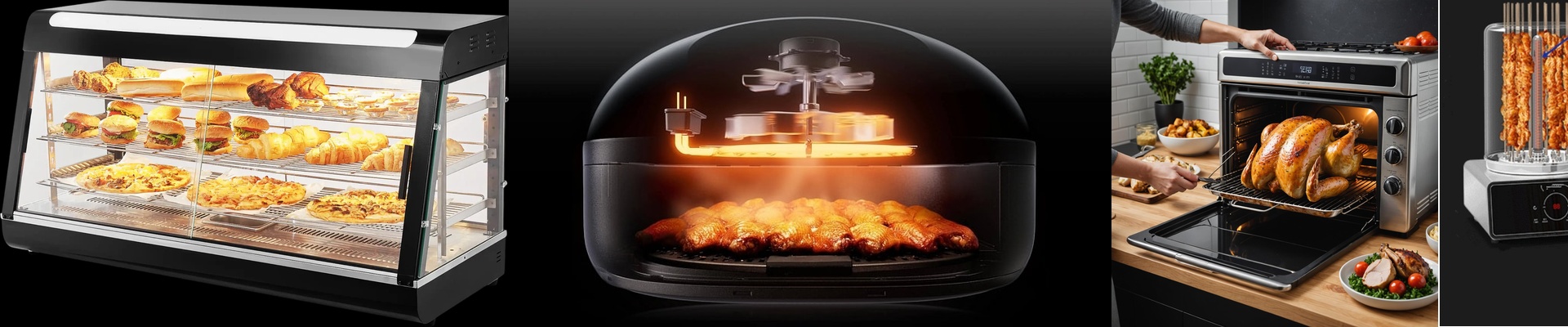
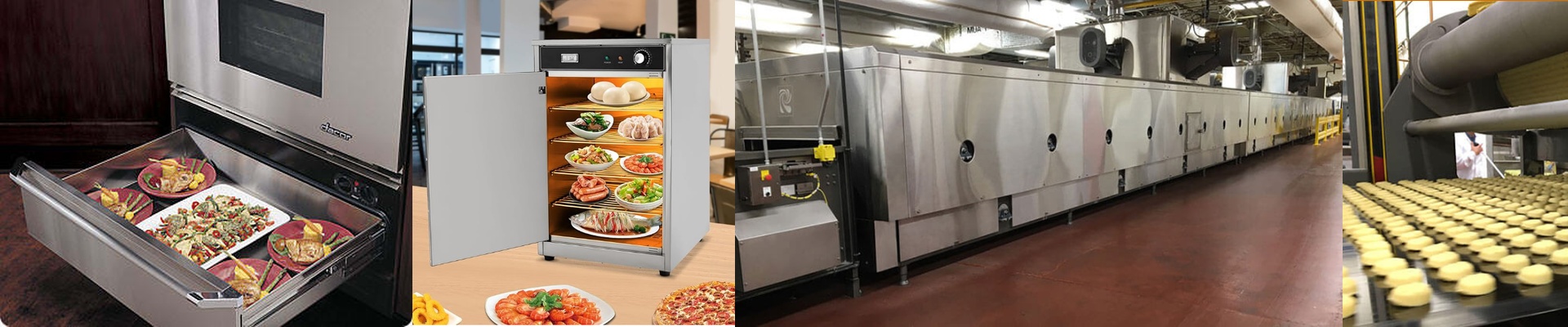
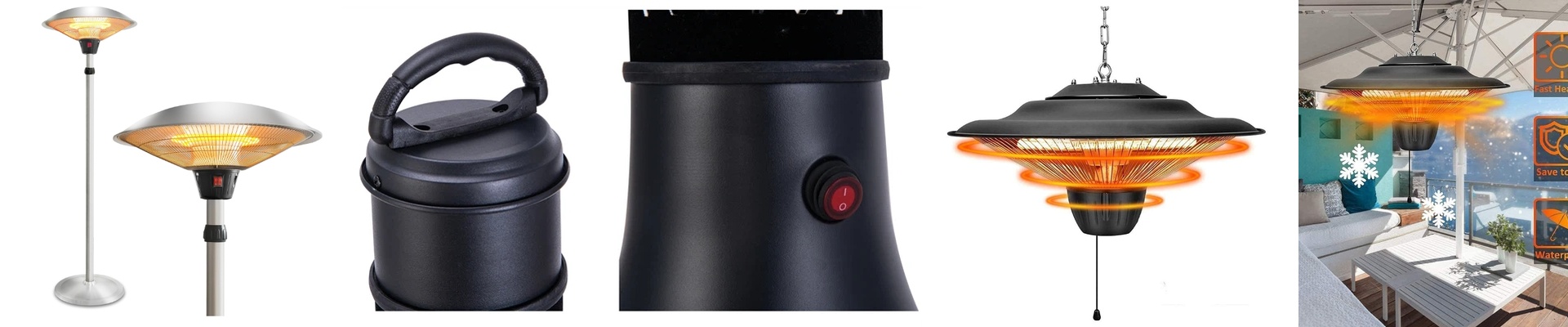
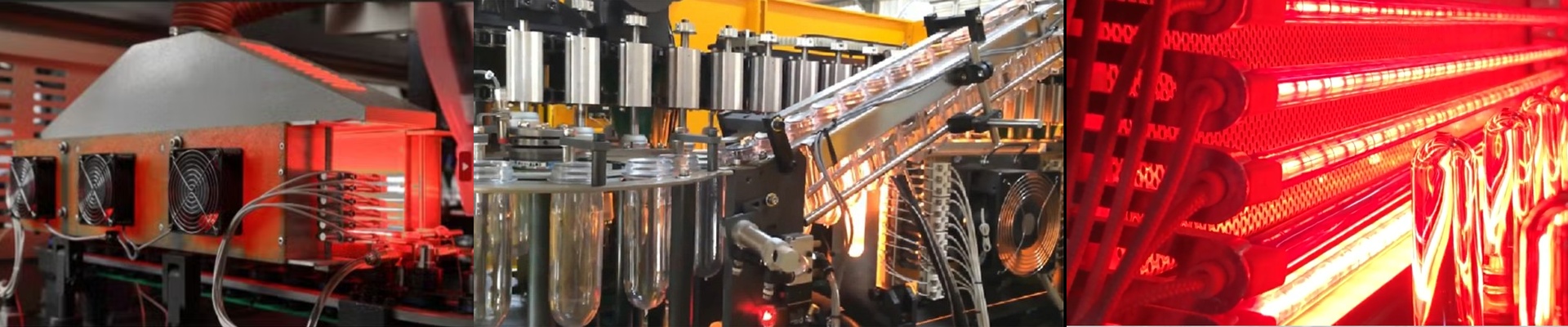
If you’ve ever pulled a rack out of a rotary oven only to find half the batch is perfect and the other half is… well, not, you know the frustration. It’s not usually about having enough power. It’s about those annoying cold spots that seem to hide in the corners. To fix this, we stopped relying solely on air and started using infrared ceramic heaters. When you pair radiant heat with a rotating rack, something clicks. Here is how it actually works. Most ovens just blow hot air around. The problem? Air is lazy. It leaves “dead zones” where the heat just doesn’t reach. Infrared is different. It’s electromagnetic radiation—which is a fancy way of saying it hits the food directly. We arrange these heaters in a circle around the drum. As the rack spins, every single piece of product gets its turn in the spotlight. The rotation handles the timing, and the IR lamps handle the heavy lifting. The gritty details on the gear We use high-alumina ceramic for the substrates. Why? Because these things go through a lot of thermal shock. They get hot, they cool down, they get hot again. Cheap materials crack under that pressure; these don’t. And if you’re running a bakery or a fryer, you know how messy it gets. Grease splatters everywhere. That’s why we embed the heating element inside the ceramic. It keeps the gunk out and the heat moving. One quick tip on power: be careful with your wattage. If you pack in a high-density array to get a faster ramp-up, your power supply is going to feel it. Double-check your wiring and contactors. You don’t want a burnt-out circuit killing your production mid-shift. The trade-offs (because nothing is perfect) These units are designed to drop right into older ovens without a headache. We kept the footprint small so you don’t lose precious baking space. But here’s the thing: ceramic isn’t instant. If you’re used to quartz lamps, you’ll notice these take a bit longer to reach full temperature. You’ll need to build that pre-heat time into your morning routine. The upside? Once they’re hot, they stay hot. The ceramic has a thermal mass that acts like a battery, giving you a steady, stable soak that thin-film heaters just can’t match.