
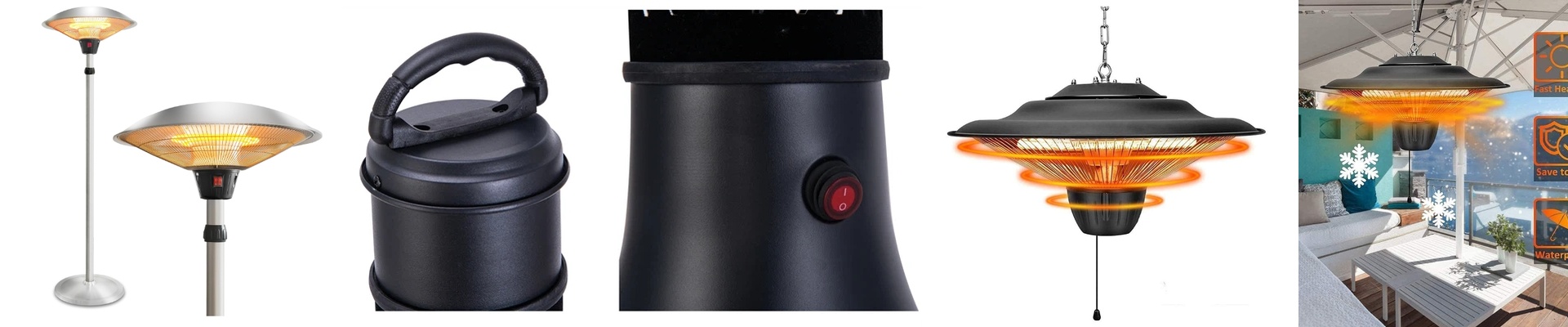


Keeping Outdoor Changing Areas Warm Without the Wait
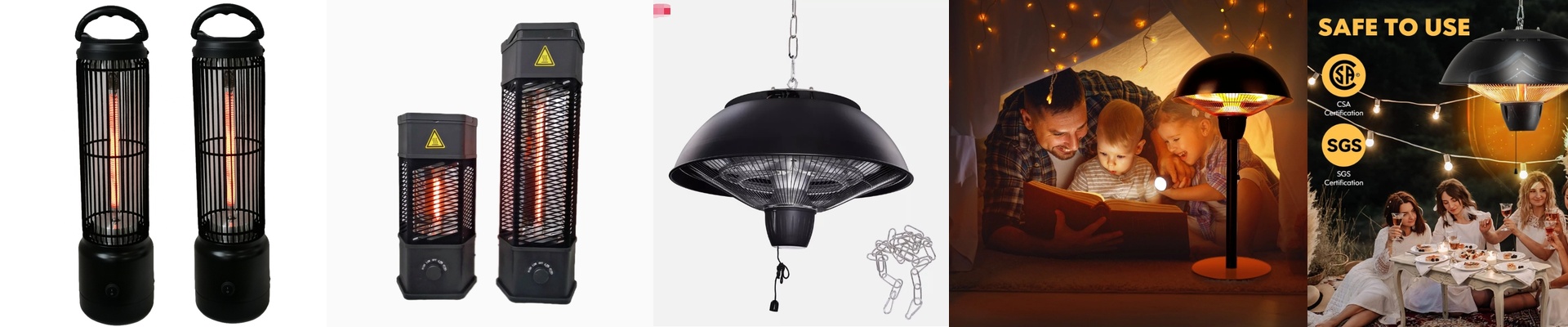
Nobody likes shivering in a freezing changing area. If you’ve ever tried to use a standard space heater outside, you know the struggle—you’re basically just trying to warm up the wind. It doesn’t work. That’s why we use shortwave infrared. Instead of fighting the air, it sends heat directly to your skin and clothes. It feels like stepping into a patch of sunlight on a crisp autumn day. You don’t have to wait for the room to “warm up” because the heat hits you the second you flip the switch.
Built for the Elements
Outdoor gear takes a beating. Between the humidity, the dust, and the occasional splash of water, most electronics just give up. We make sure these units are IP65 rated. In plain English? They’re sealed tight. Dust can’t get in, and water jets won’t kill them. Without that protection, your wiring would corrode or short out faster than you can say “electrical fire.” It’s just peace of mind for your installation.
The Power Behind the Heat
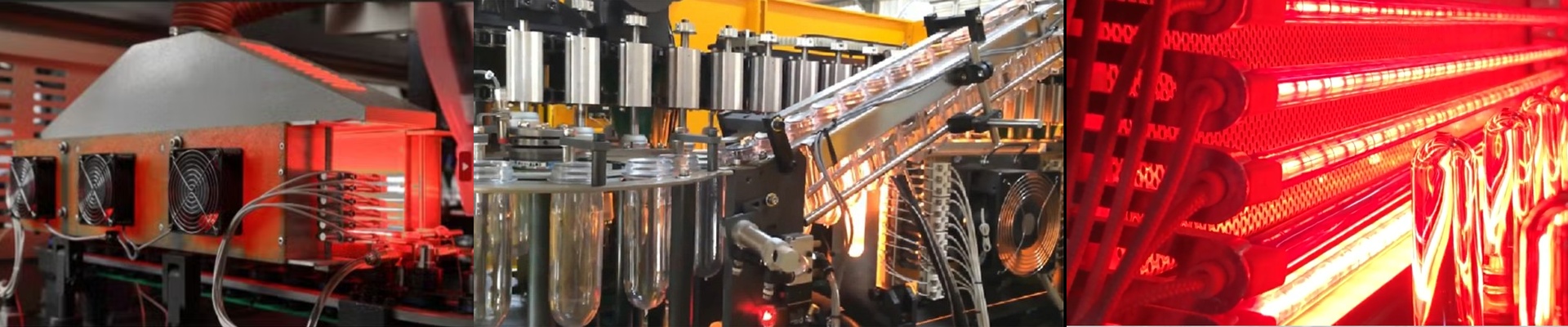
Shortwave tech is all about intensity. It packs a lot of energy into a small space, which is how it reaches peak temperature almost instantly. You get a massive amount of warmth without needing a giant, clunky machine taking up half the wall. One heads-up, though: these things are power-hungry. Before you install them,**double-check your electrical panel.**If your wiring is old or your breakers are undersized, you’re going to trip the power the moment the heater kicks in. It’s a quick fix, but it’s better to handle it now than to be left in the dark.
Setting It Up and Keeping It Running
We kept the mounting simple. Most of these come with brackets that let you tilt the heater, which is huge. You can aim the heat beam exactly where people actually stand, rather than just heating the ceiling. Since there are no fans or moving parts, there isn’t much that can actually break. The only real chore? Keep the lens clean. If dust builds up on the emitter, the heat output drops and you might get some annoying hotspots that wear out the lamp. Give it a quick wipe every now and then, and you’re good to go.