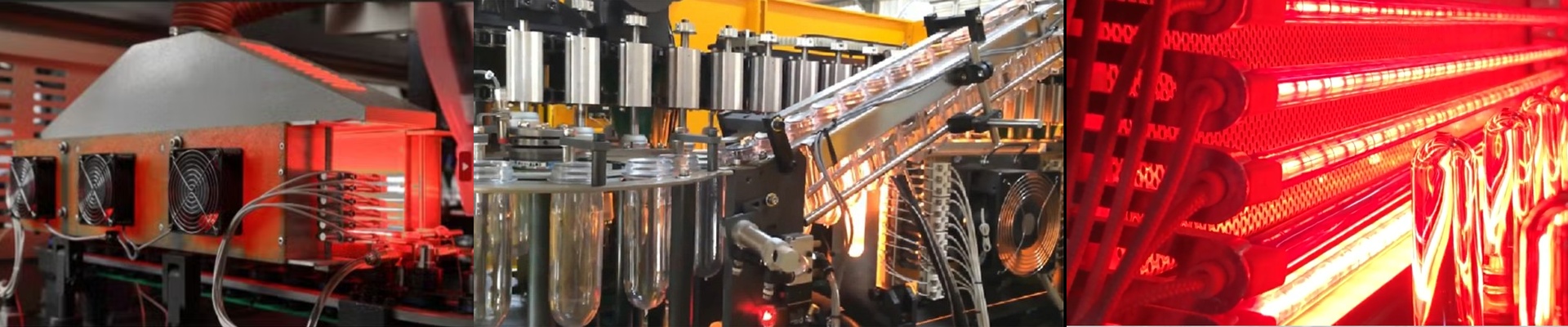


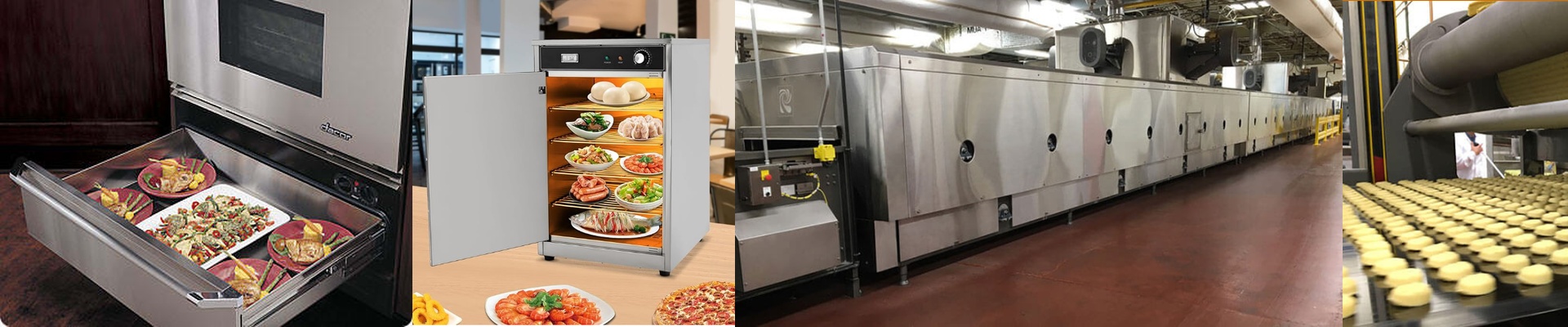
Forget the Wait: Why we use Ruby Quartz Heating Tubes
Most oven elements are slow. They rely on thermal mass, which is just a fancy way of saying they have to soak up a ton of heat before they can actually do anything. You’re stuck waiting minutes for the air to get hot. We do things differently. By using Ruby Quartz tubes, we stop worrying about heating the air and start using direct infrared radiation. The result? You can go from stone-cold to 300°C in a few seconds. It’s nearly instant.
How it actually works
When we call these “Ruby” tubes, we’re talking about the specific mix of dopants in the glass and the tungsten filament inside. Because quartz doesn’t hold onto heat the way metal does, that filament hits its peak temperature almost the moment you flip the switch. You aren’t waiting for a breeze of hot air to reach your food; you’re hitting the target with short-wave IR radiation. It’s like the difference between warming up a room with a radiator and stepping into the sun.
The nitty-gritty details
To keep the footprint small but the heat high, these tubes run on high-voltage and low-amperage. We also keep the measurements incredibly tight. If the tube is off by even a fraction, it’ll rattle around in the chassis, and nobody wants that. One thing to watch out for: the connectors. This is where most things go wrong. We stick to R7s or Sk15 bases because they actually stay secure. If the connection is loose, you get arcing—which is basically a tiny lightning bolt that will fry your socket.
The trade-offs (because nothing is perfect)
Speed comes with a price. That intense heat density makes the quartz brittle over time. It’s just the nature of the beast. You’ve also got to make sure your oven housing is vented. If the air around the tube ends gets too hot, the seal between the quartz and the metal cap will just give up. And a quick tip on the electronics: don’t use a basic thermostat. They’re too blunt. You’ll likely overshoot 300°C and burn out your filament way faster than you should. Go with a PID controller instead. Oh, and use high-temp silicone leads for your wiring. Standard insulation will melt, and that’s a mess you don’t want to deal with.